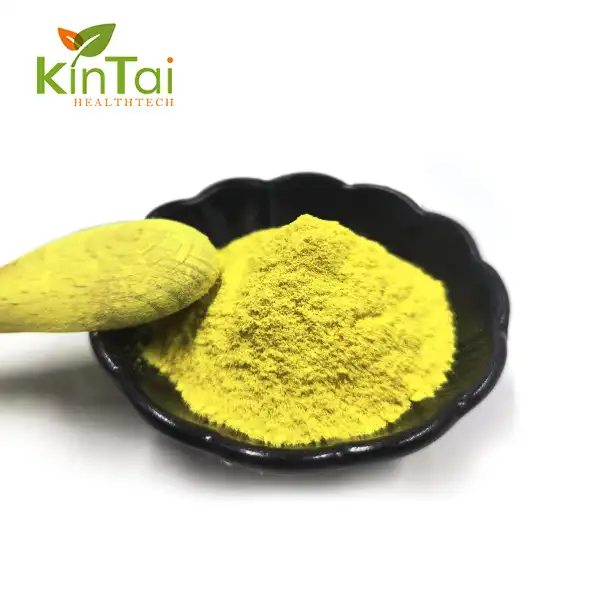
The Powerful Health Benefits of Quercetin and Kaempferol
2025-06-26 16:27:35
In the world of natural compounds, quercetin and kaempferol stand out as two of the most beneficial flavonoids. Found in a variety of fruits, vegetables, and herbs, these antioxidants offer numerous health benefits, from reducing inflammation to protecting against chronic diseases. We'll explore the science-backed benefits of quercetin and kaempferol and how you can incorporate them into your diet.
Basic information of quercetin and kaempferol
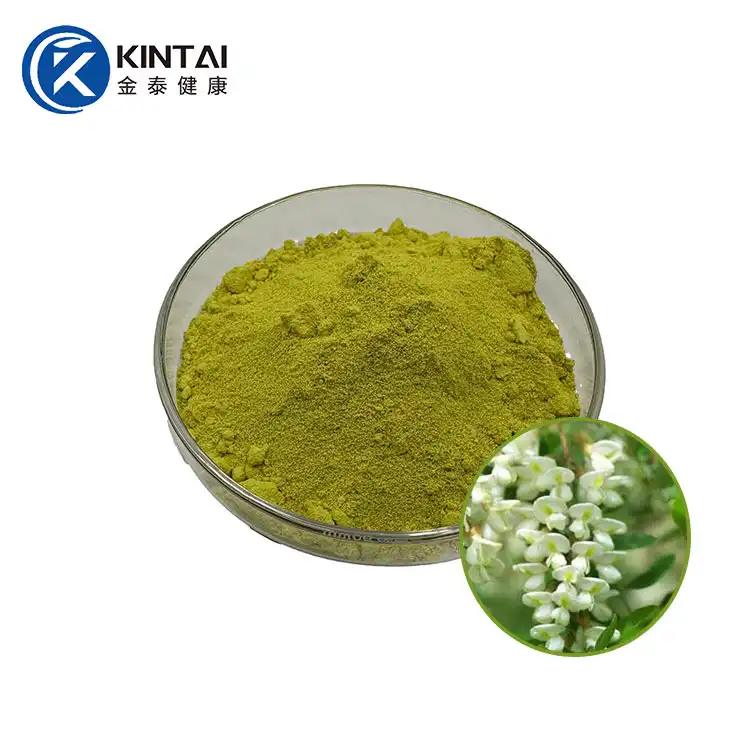
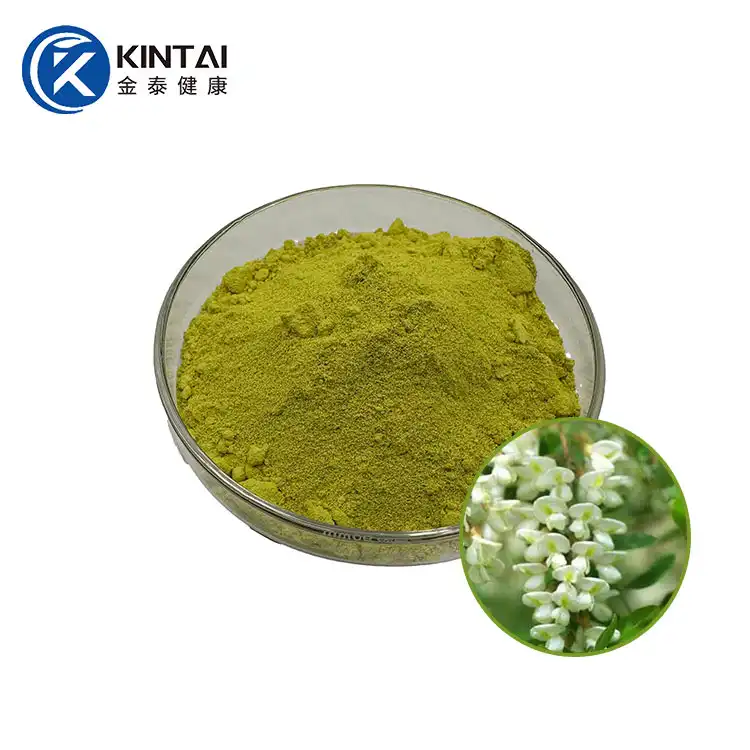
Quercetin: also known as quercetin, chemical structure is 3,3',4',5,7-pentahydroxyflavone, molecular formula is C₁₅H₁₀O₇, relative molecular weight is 302.24.
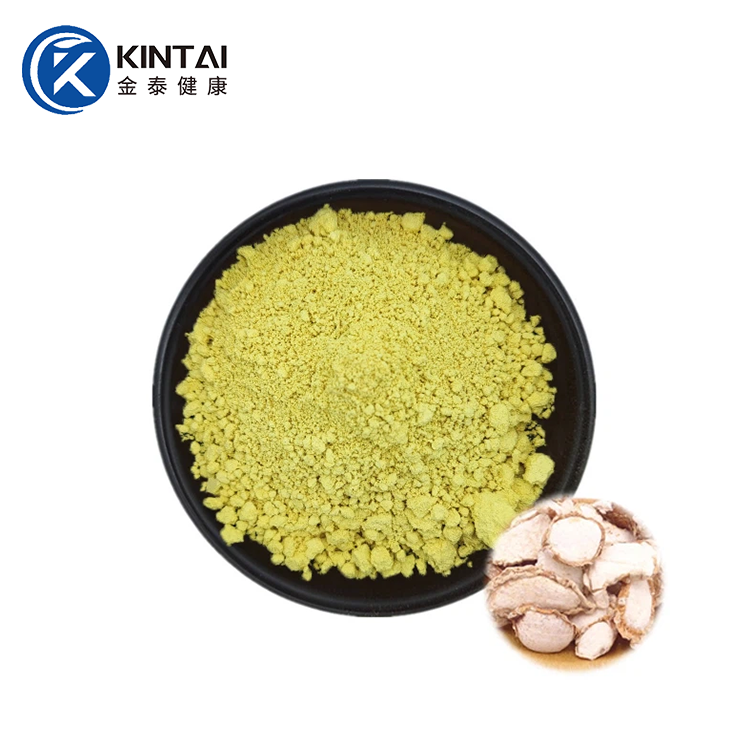
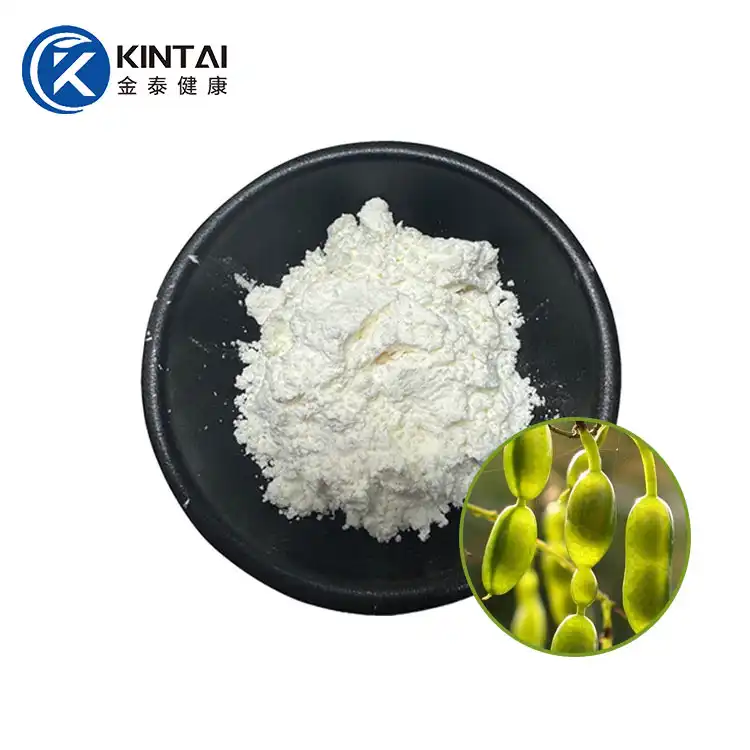
Kaempferol: chemical name 3,4',5,7-tetrahydroxyflavone, molecular formula C₁₅H₁₀O₆, molecular weight 286.24g/mol, with a typical C₆-C₃-C₆ flavonoid skeleton, 2 and 1 hydroxyl groups on the A and C rings respectively, and 1 hydroxyl group on the B ring.
Sources of quercetin and kaempferol
Kaempferol: widely distributed in nature, mainly found in various plants, such as vegetables such as broccoli, cabbage, spinach, kale, leeks, strawberries, apples, grapes and citrus fruits, as well as green tea, black tea, ginkgo leaves, echinacea and St. John's wort.
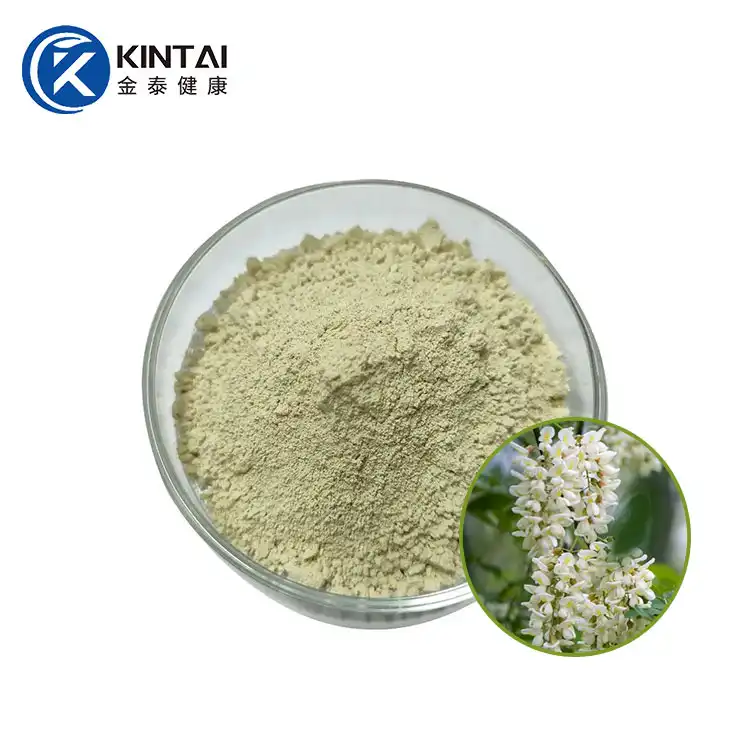
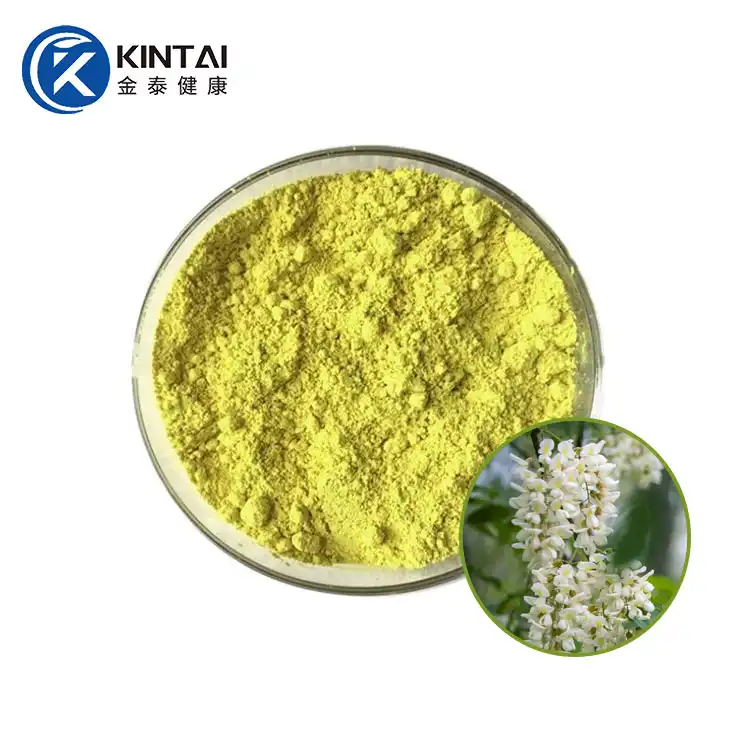
Quercetin: the most widely distributed flavonoid compound in the plant kingdom, about 68% of plants contain this ingredient, and it exists mostly in the form of glycosides in vegetables, fruits, tea and Chinese herbal medicines.
Quercetin and Kaempferol Benefits
Antioxidant effect
Kaempferol: It has strong free radical scavenging ability, can directly react with superoxide anions, hydroxyl radicals, etc., and can also chelate transition metal ions such as iron and copper, reducing the ability of these metals to catalyze the generation of harmful free radicals in the Fenton reaction. At the same time, it can increase the activity of antioxidant enzymes and enhance the tolerance of cells to oxidative stress.
Quercetin: It is a strong antioxidant, which has a good scavenging effect on superoxide anion radicals, hydroxyl radicals and singlet oxygen. It can play a role in both direct and indirect scavenging of free radicals. It can also regulate enzyme-mediated and non-enzyme-dependent antioxidant defense systems to maintain the body's redox balance.
Anti-inflammatory effect
Kaempferol: It can inhibit the activation of NF-κB, prevent the transfer of NF-κB to the nucleus by preventing the phosphorylation and degradation of IκBα, thereby reducing the expression of inflammatory factors; it can also regulate the MAPK signaling pathway, inhibit the phosphorylation of p38 MAPK, JNK and ERK1/2, and reduce the production of inflammatory factors. At the same time, it has a strong antioxidant capacity, can scavenge free radicals, reduce oxidative stress, and can directly inhibit the expression of multiple inflammatory factors and inhibit the activation of NLRP3 inflammasomes.
Quercetin: It can relieve the inflammatory response by reducing the serum C-reactive protein and IL-6 levels of patients with metabolic syndrome. It has a certain protective effect on the inflammatory response of bronchial epithelial cells caused by PM2.5. Its mechanism is related to regulating the TLR4/NF-κB pathway, thereby regulating NO release and reducing the secretion of inflammatory factors such as TNF-α, IL-1β and IL-6. It can also inhibit the biosynthesis of prostaglandins and leukotrienes by inhibiting inflammatory response-related enzymes such as cyclooxygenase and lipoxygenase, thereby exerting an anti-inflammatory effect.

Other effects
Kaempferol: It can control the cycle of tumor cells, inhibit tumor growth by inducing cell apoptosis, and promote apoptosis by affecting the expression of p53 and caspases family proteins; it can also inhibit important signaling pathways such as PI3K/AKT and MAPK, reduce the migration and invasion ability of tumor cells, inhibit the expression of vascular endothelial growth factor, block angiogenesis, affect DNA methylation and histone modification to regulate gene expression, thereby affecting the behavior of cancer cells.
Quercetin: It has a preventive effect on cardiovascular disease and can lower blood pressure. Its mechanism of action is related to quercetin's antioxidant, anti-platelet aggregation, coronary artery vasodilation and improvement of endothelial cell function; based on the meta-analysis results of epidemiological studies, increasing dietary quercetin intake can reduce the risk of colorectal cancer and smoking-related cancers, especially a diet rich in quercetin can effectively reduce the risk of colorectal cancer.

Supplementation: Is It Necessary?
While getting these flavonoids from food is ideal, supplements can be beneficial for targeted health support. Always consult a healthcare provider before starting any new supplement regimen.
Conclusion
Quercetin and kaempferol are powerhouse flavonoids with extensive health benefits, from fighting inflammation to protecting against chronic diseases. By incorporating more of these nutrient-rich foods into your diet, you can take a natural approach to boosting your overall well-being.
Kintaihealth® is a professional plant extract production factory, specializing in the research and development and production of quercetin and kaempferol supplement intermediates. Contact us for more details!