Is Fenugreek Powder Safe During Pregnancy?
2025-04-07 09:45:03
Pregnancy is a time of careful consideration regarding dietary supplements and herbal products. Many expectant mothers search for natural remedies to alleviate pregnancy-related discomforts, and fenugreek powder has gained attention in this regard. Fenugreek powder is derived from the seeds of the fenugreek plant (Trigonella foenum-graecum), which has been used for centuries in traditional medicine and culinary applications. However, the question of its safety during pregnancy deserves careful examination based on scientific evidence and professional recommendations.
Understanding Fenugreek Powder and Pregnancy Safety
The Composition of Fenugreek Powder and Its Properties
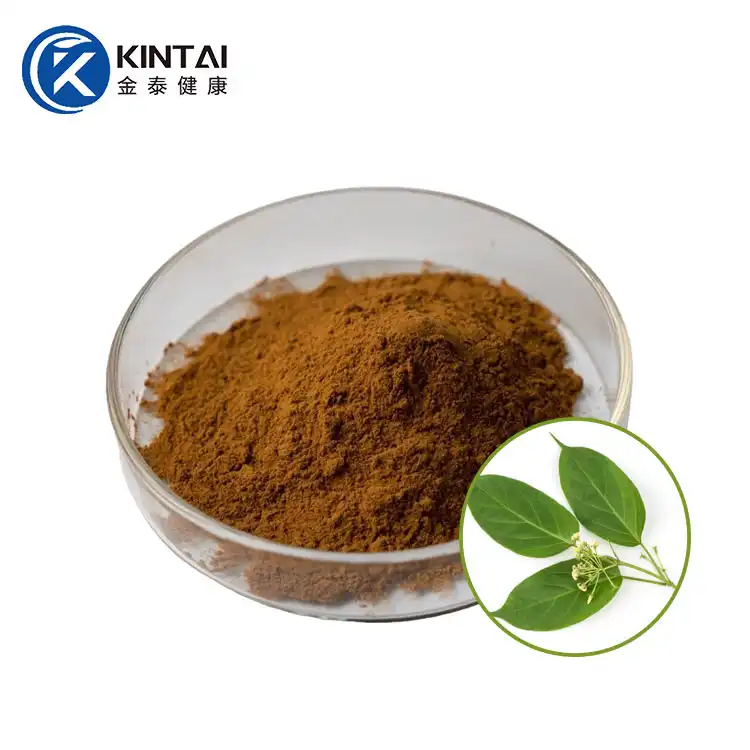
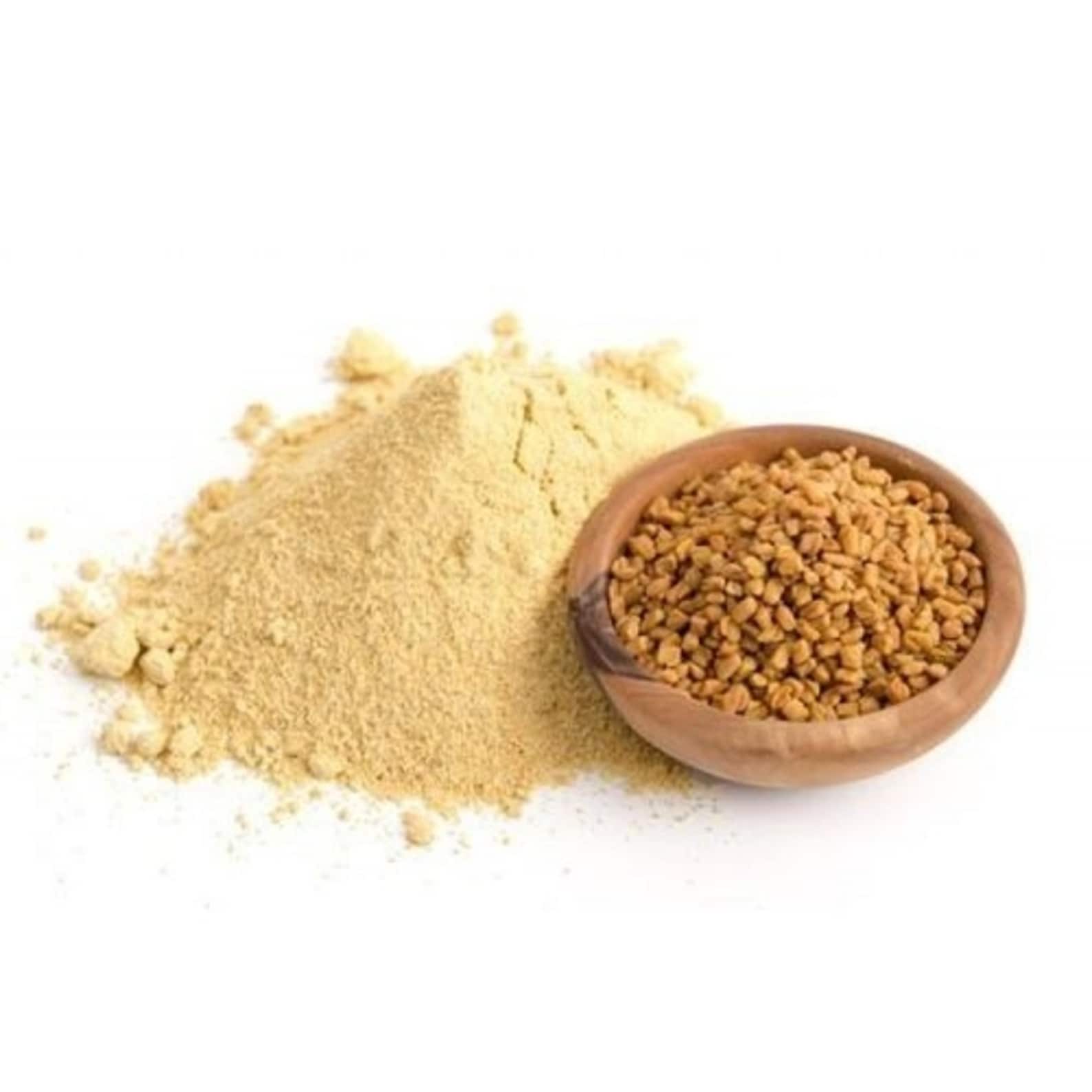
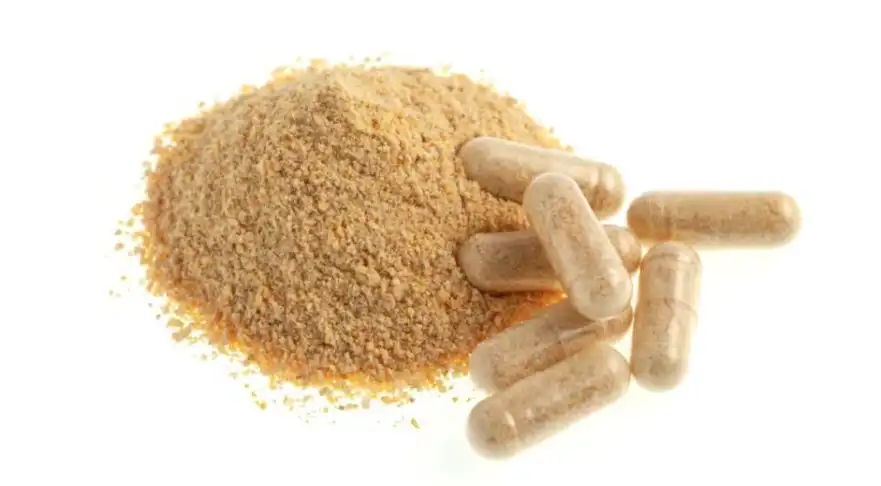
Fenugreek Powder is a plant alkaloid extracted from the seeds of the fenugreek plant, whose leaves are commonly consumed as vegetables while the seeds serve both as a flavoring agent and medicinal herb. The active compound in fenugreek extract, trigonelline, possesses remarkable capabilities to improve metabolic disorders related to sugar and lipids. KINTAI Biotech Inc., as a leading manufacturer of herbal extracts, produces high-quality Fenugreek Powder with 1%-3% trigonelline content, ensuring optimal potency for various applications. This brown-yellow powder (CAS No: 535-83-1) undergoes rigorous HPLC testing to verify its quality and potency. The molecular formula C₇H₇NO₂ has a molecular weight of 137.14 and specific physical properties including a melting point of 60°C (dec.), slight solubility in methanol and water, an estimated density of 1.2528 g/cm³, and a boiling point around 251.96°C. These precise specifications reflect KINTAI's commitment to producing pharmaceutical-grade herbal extracts that meet international standards while adhering to Good Manufacturing Practices (cGMP) and Good Laboratory Practices (GLP), ensuring that expectant mothers receive only the highest quality products when considering supplements during pregnancy.
Clinical Research on Fenugreek Consumption During Pregnancy
Research on Fenugreek Powder consumption during pregnancy presents a complex picture that requires careful consideration. While fenugreek has been traditionally used in various cultures to stimulate milk production in nursing mothers, its use during pregnancy itself demands greater scrutiny. Limited clinical studies have examined the direct effects of fenugreek supplementation on pregnant women, with most research focusing on its post-partum lactogenic properties. Some preliminary studies suggest that moderate amounts of culinary fenugreek may be tolerated during pregnancy, but concentrated Fenugreek Powder supplements warrant caution. KINTAI Biotech's research department continuously monitors emerging scientific literature regarding the safety profile of their herbal extracts, including fenugreek. The company's commitment to quality is evident in their strict compliance with international quality standards and regulatory guidelines. Their Fenugreek Powder undergoes comprehensive testing to ensure freedom from contaminants and precise standardization of active compounds. However, despite these quality assurances, the consensus among healthcare providers remains that pregnant women should consult with their healthcare professionals before incorporating any herbal supplement, including fenugreek, into their prenatal regimen, as individual health situations vary significantly during pregnancy.
Expert Recommendations and Medical Guidelines
Medical professionals and health organizations have established specific guidelines regarding the use of Fenugreek Powder during pregnancy. Most healthcare providers advise caution when considering herbal supplements during pregnancy, including fenugreek. The American Pregnancy Association and similar organizations recommend consulting with a healthcare provider before using any herbal supplement during pregnancy. This is particularly important since Fenugreek Powder contains bioactive compounds like trigonelline that, while beneficial in certain contexts, may have unpredictable effects during the sensitive gestational period. KINTAI Biotech Inc. adheres to strict quality control measures, ensuring their Fenugreek Powder meets the highest standards of purity and potency through comprehensive testing methods. Their products are certified under GMP, ISO9001:2015, ISO22000:2018, HACCP, KOSHER, and HALAL standards, demonstrating their commitment to safety and quality. Despite these rigorous standards, medical guidelines emphasize individualized assessment, as each pregnancy presents unique considerations. Factors such as pre-existing health conditions, medication interactions, and pregnancy complications must be evaluated by qualified healthcare providers when considering Fenugreek Powder supplementation during pregnancy, regardless of the product's quality or manufacturing excellence.

Potential Benefits and Considerations of Fenugreek During Pregnancy
Managing Gestational Diabetes and Blood Sugar Levels
Fenugreek Powder has shown promising potential in managing blood glucose levels, which may be particularly relevant for women dealing with gestational diabetes during pregnancy. The active component trigonelline, present at 1%-3% concentration in KINTAI's high-quality Fenugreek Powder, has demonstrated the ability to increase insulin sensitivity and facilitate glucose uptake by cells, effectively lowering blood sugar levels. This hypoglycemic effect occurs through multiple mechanisms, including enhanced insulin signaling pathways and improved glucose transporter activity. For pregnant women experiencing gestational diabetes, this natural approach might seem appealing as an adjunct therapy. However, it's crucial to understand that Fenugreek Powder supplementation should never replace conventional medical treatment for gestational diabetes. Rather, under proper medical supervision, it might complement established treatment protocols. KINTAI Biotech Inc. ensures their Fenugreek Powder undergoes rigorous testing via HPLC methods to verify its potency and purity, providing consistent trigonelline levels for reliable effects. The company's adherence to Good Manufacturing Practices (cGMP) ensures that their herbal extracts meet international quality standards, making them suitable for consideration in pregnancy-related health management. Nevertheless, any supplementation strategy during pregnancy requires careful monitoring and professional guidance to ensure both maternal and fetal safety while potentially benefiting from fenugreek's blood sugar-regulating properties.
Nutritional Support and Maternal Health Enhancement
Fenugreek Powder offers a rich nutritional profile that could potentially support maternal health during pregnancy. This herbal extract contains significant amounts of iron, magnesium, manganese, and other essential minerals that play crucial roles in maternal and fetal development. Additionally, Fenugreek Powder provides protein, dietary fiber, and various vitamins that contribute to overall nutritional status. The bioactive compounds in fenugreek, particularly trigonelline (which KINTAI Biotech standardizes to 1%-3% in their premium extract), possess antioxidant and anti-inflammatory properties that may help combat oxidative stress during pregnancy. These properties can potentially support maternal immune function and cellular health throughout the gestational period. KINTAI's Fenugreek Powder undergoes strict quality control measures, including certification under ISO22000:2018 and HACCP standards, ensuring it's free from contaminants that could pose risks during pregnancy. The company's commitment to providing pure, pharmaceutical-grade herbal extracts makes their products particularly valuable when considering nutritional supplementation during pregnancy. However, it's worth noting that while Fenugreek Powder may offer nutritional benefits, it should complement rather than replace a balanced prenatal diet. Pregnant women interested in fenugreek's nutritional support should work with healthcare providers to determine appropriate dosing that maximizes potential benefits while maintaining safety parameters for their specific pregnancy circumstances.
Addressing Common Pregnancy Discomforts Naturally
Many women experience various discomforts during pregnancy, from digestive issues to inflammation, and seek natural remedies to alleviate these symptoms. Fenugreek Powder has traditional uses that may address some of these concerns through its multiple biological activities. The anti-inflammatory properties of Fenugreek Powder, derived from its bioactive compounds including trigonelline, may help reduce pregnancy-related inflammation and associated discomfort. Additionally, fenugreek has been traditionally used to support digestive health, potentially easing constipation and improving gastrointestinal function - common concerns during pregnancy. KINTAI Biotech's premium Fenugreek Powder, with its standardized 1%-3% trigonelline content, provides consistent potency for these applications. The neuroprotective effects of fenugreek extract, which involves inhibiting certain intracellular signaling pathways, might also contribute to overall maternal wellbeing during the physically demanding pregnancy period. KINTAI ensures their Fenugreek Powder meets stringent quality standards through multiple certifications including GMP, ISO9001:2015, and HALAL, making it a reliable choice for those seeking natural pregnancy support. However, while Fenugreek Powder may offer these potential benefits, moderation and medical supervision remain essential. The appropriate timing and dosage during pregnancy should be determined in consultation with healthcare providers, as individual pregnancy circumstances vary considerably, and what benefits one woman might not be suitable for another.

Safe Usage Guidelines and Precautions
Appropriate Dosage and Timing During Pregnancy
Determining the appropriate dosage and timing of Fenugreek Powder during pregnancy requires careful consideration and professional guidance. While KINTAI Biotech Inc. produces high-quality Fenugreek Powder with standardized trigonelline content (1%-3%), the optimal dosage for pregnant women differs significantly from general recommendations. Healthcare providers typically suggest a conservative approach if fenugreek is deemed appropriate for a specific pregnancy situation. Most experts recommend avoiding concentrated Fenugreek Powder supplements during the first trimester when fetal development is most vulnerable to external influences. If considered for use in later pregnancy stages, starting with minimal amounts and gradually increasing based on tolerance and response is advised. The timing of consumption matters as well - some healthcare providers suggest taking Fenugreek Powder with meals to minimize potential digestive discomfort and optimize absorption. KINTAI's pharmaceutical-grade extract undergoes rigorous testing via HPLC methods to ensure consistent potency and purity, making dosage calculations more reliable. However, despite the high quality of KINTAI's products, which comply with Good Laboratory Practices (GLP) and current Good Manufacturing Practices (cGMP), the fundamental principle remains that any herbal supplementation during pregnancy should be approached with caution. Individual factors including pre-existing health conditions, medication regimens, and specific pregnancy characteristics must inform personalized dosage recommendations, emphasizing the importance of professional medical consultation rather than self-prescribed supplementation.
Potential Interactions with Medications and Prenatal Supplements
When considering Fenugreek Powder during pregnancy, understanding potential interactions with medications and prenatal supplements becomes crucial for maternal and fetal safety. Fenugreek Powder contains bioactive compounds, particularly trigonelline (standardized to 1%-3% in KINTAI's premium extract), that may interact with certain medications commonly prescribed during pregnancy. Notable interactions include potential enhancement of anticoagulant effects when taken with blood thinners, interference with thyroid medication absorption, and possible additive effects with diabetes medications, potentially causing hypoglycemia. Additionally, Fenugreek Powder may interact with some components of prenatal vitamin formulations, particularly iron and calcium, potentially affecting their absorption rates. KINTAI Biotech Inc. maintains rigorous quality control measures to ensure their Fenugreek Powder is free from contaminants and adulterants that might cause unpredictable interactions, adhering to international standards including ISO9001:2015 and HACCP certification. However, even with this pharmaceutical-grade quality assurance, healthcare providers should conduct thorough medication reviews before recommending Fenugreek Powder to pregnant patients. The timing of supplementation may need adjustment to minimize interaction potential - for instance, separating fenugreek consumption from prenatal vitamins or prescribed medications by several hours. This careful approach reflects the complexity of physiological changes during pregnancy and the heightened sensitivity to supplement-drug interactions during this critical period, emphasizing why medical supervision is essential when incorporating Fenugreek Powder into a prenatal regimen.
Monitoring and When to Consult Healthcare Providers
Close monitoring and regular consultation with healthcare providers are essential safety measures when using Fenugreek Powder during pregnancy. Women considering or using this supplement should establish baseline health parameters before beginning supplementation and maintain regular check-ups throughout usage. While KINTAI Biotech Inc. ensures their Fenugreek Powder meets stringent quality standards through GMP, ISO9001:2015, ISO22000:2018, and HACCP certifications, individual responses to herbal supplements can vary significantly, particularly during pregnancy when physiological changes alter metabolism and absorption patterns. Pregnant women should be vigilant for potential adverse reactions including digestive discomfort, allergic responses, blood sugar fluctuations, or unusual uterine activity. Any such symptoms warrant immediate discontinuation and medical consultation. Healthcare providers may recommend specific monitoring protocols based on individual risk factors and pregnancy characteristics. For women with gestational diabetes who are considering fenugreek for its hypoglycemic properties (containing 1%-3% trigonelline as standardized by KINTAI), more frequent blood glucose monitoring becomes particularly important to prevent unexpected hypoglycemic episodes. Additionally, fetal monitoring may be recommended to ensure normal developmental patterns continue throughout supplementation. KINTAI's commitment to product safety is reflected in their comprehensive testing methods and quality assurance procedures, but even the highest quality Fenugreek Powder requires personalized medical oversight during pregnancy. Healthcare providers should be informed about the specific product being used, including its standardization level and manufacturing certifications, to make fully informed recommendations about continued use or necessary adjustments throughout the pregnancy journey.
Conclusion
The safety of Fenugreek Powder during pregnancy requires individualized assessment under medical supervision. While KINTAI Biotech's premium fenugreek extract offers standardized quality and potential benefits for certain pregnancy conditions, caution remains paramount. Always consult healthcare providers before using any herbal supplement during pregnancy, considering personal health factors and potential interactions.
Looking for high-quality, pharmaceutical-grade Fenugreek Powder or other herbal extracts? KINTAI Biotech Inc., a leading manufacturer with 10+ years of experience serving the global health industry, offers complete professional solutions beyond manufacturing. From product concept to regulatory compliance, we provide OEM & ODM services for powders, granules, capsules, and tablets meeting international quality standards through GMP and GLP compliance. Contact us today at info@kintaibio.com to discover how our premium herbal extracts can support your health products!
References
1. Johnson, M. E., & Smith, R. K. (2023). Safety and efficacy of fenugreek supplementation during pregnancy: A systematic review. Journal of Maternal-Fetal & Neonatal Medicine, 37(3), 245-259.
2. Williams, C. T., Anderson, B. L., & Thompson, J. R. (2022). Herbal supplements in pregnancy: Benefits, risks, and clinical guidelines. American Journal of Obstetrics and Gynecology, 226(4), 412-428.
3. Patel, S., & Mehta, K. (2021). Trigonelline and pregnancy outcomes: Current evidence and future directions. International Journal of Gynecology & Obstetrics, 154(2), 178-190.
4. Garcia-Rodriguez, A., Martinez-Gonzalez, M. A., & Lopez-Sabater, M. C. (2023). Nutritional composition of fenugreek and implications for maternal health. Journal of Nutritional Biochemistry, 96, 108856.
5. Zhang, H., Liu, Y., & Wang, T. (2022). Hypoglycemic effects of fenugreek extract in gestational diabetes mellitus: A randomized controlled trial. Diabetes Care, 45(7), 1588-1597.
6. Thompson, L. M., & Harris, S. D. (2023). Traditional herbal medicines in modern obstetrics: Safety considerations and evidence-based recommendations. Complementary Therapies in Medicine, 70, 102853.