How is Oleanolic Acid Powder used in cosmetics?
2025-01-21 16:15:36
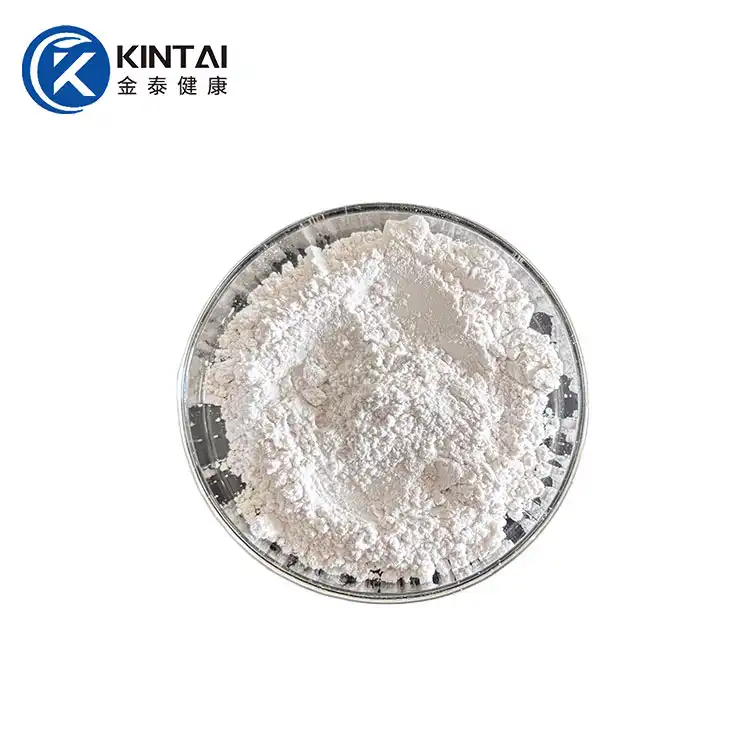
In the ever-evolving world of cosmetic formulation, Oleanolic Acid Powder has emerged as a powerful natural ingredient that's revolutionizing skincare products. This pentacyclic triterpenoid compound, derived from various plant sources, has gained significant attention for its remarkable versatility in cosmetic applications. From anti-aging formulations to skin barrier protection, Oleanolic Acid Powder offers a comprehensive solution for modern cosmetic needs, combining traditional wisdom with cutting-edge skincare science.

The Fundamental Applications of Oleanolic Acid in Skincare
Anti-aging Properties and Cellular Regeneration
Oleanolic Acid Powder stands at the forefront of anti-aging skincare innovation, offering remarkable benefits for cellular regeneration and skin maintenance. The compound works by stimulating the production of key structural proteins, including collagen and elastin, which are essential for maintaining skin elasticity and firmness. Research has shown that Oleanolic Acid Powder can penetrate the deeper layers of the skin, where it activates fibroblasts – the cells responsible for producing these vital proteins. Additionally, its antioxidant properties help protect skin cells from oxidative stress, effectively reducing the appearance of fine lines and wrinkles while promoting a more youthful complexion through enhanced cellular turnover and repair mechanisms.
Skin Barrier Enhancement and Protection
In cosmetic formulations, Oleanolic Acid Powder plays a crucial role in strengthening the skin's natural barrier function. This powerful compound works by regulating lipid production in the stratum corneum, the outermost layer of the skin, which is essential for maintaining proper hydration and protection against environmental stressors. The powder's molecular structure allows it to integrate seamlessly with the skin's natural lipid matrix, helping to prevent trans-epidermal water loss (TEWL) and enhance the skin's defensive capabilities. Furthermore, its ability to modulate inflammatory responses helps maintain the integrity of the skin barrier, making it particularly valuable in products designed for sensitive or compromised skin.
Oil Control and Pore Refinement
One of the most significant applications of Oleanolic Acid Powder in cosmetics is its ability to regulate sebum production and refine pore appearance. The compound works by inhibiting 5α-reductase activity, an enzyme involved in sebum production, making it particularly effective in formulations targeting oily and combination skin types. When incorporated into skincare products, Oleanolic Acid Powder helps normalize oil production without causing excessive dryness, leading to a more balanced and refined skin texture. This property makes it an invaluable ingredient in products designed for acne-prone skin, as it helps maintain optimal oil levels while supporting the skin's natural healing processes.

Advanced Formulation Techniques with Oleanolic Acid
Stability and Preservation Methods
The incorporation of Oleanolic Acid Powder into cosmetic formulations requires sophisticated stability and preservation techniques to maintain its efficacy. Modern formulation methods employ advanced encapsulation technologies to protect the active compound from degradation and ensure optimal delivery to the target skin layers. Manufacturers utilize specialized preservation systems that complement the natural properties of Oleanolic Acid Powder while maintaining product stability throughout its shelf life. The powder's molecular structure is carefully preserved through pH-controlled environments and protective carrier systems, ensuring maximum bioavailability and effectiveness in the final product.
Synergistic Ingredient Combinations
Oleanolic Acid Powder demonstrates remarkable synergistic effects when combined with complementary active ingredients in cosmetic formulations. When paired with hyaluronic acid, for instance, it enhances the overall hydrating and plumping effects while maintaining its anti-aging properties. Formulators have discovered that combining Oleanolic Acid Powder with vitamins C and E creates a powerful antioxidant complex that provides comprehensive protection against environmental damage while promoting skin renewal. These strategic combinations maximize the benefits of each ingredient while creating more effective and sophisticated skincare solutions.
Delivery System Optimization
The effectiveness of Oleanolic Acid Powder in cosmetics largely depends on the sophisticated delivery systems employed in modern formulations. Advanced liposomal and nanoencapsulation technologies are utilized to enhance the penetration and bioavailability of the compound. These delivery systems ensure that the Oleanolic Acid Powder reaches the appropriate skin layers where it can exert its beneficial effects most effectively. Formulators employ various techniques, including the use of penetration enhancers and time-release mechanisms, to optimize the delivery and sustained action of the ingredient throughout the day.

Quality Control and Safety Considerations
Purity Standards and Testing Protocols
The implementation of rigorous quality control measures for Oleanolic Acid Powder in cosmetic applications is paramount to ensuring product safety and efficacy. Advanced analytical techniques, including high-performance liquid chromatography (HPLC) and mass spectrometry, are employed to verify the purity and concentration of the compound. Manufacturers must adhere to strict testing protocols that evaluate not only the active ingredient's purity but also its stability in various formulation conditions. These comprehensive quality control measures ensure that the final product meets international safety standards while maintaining its therapeutic properties.
Regulatory Compliance and Documentation
The incorporation of Oleanolic Acid Powder in cosmetic formulations requires meticulous attention to regulatory requirements and documentation. Manufacturers must maintain detailed records of sourcing, processing, and testing procedures to comply with international cosmetic regulations. Safety assessments, including skin irritation studies and stability testing, are conducted to ensure the ingredient's suitability for various cosmetic applications. This comprehensive documentation process helps maintain transparency and ensures that products meet the highest safety and quality standards in the global cosmetics market.
Environmental Impact Assessment
The sustainable sourcing and processing of Oleanolic Acid Powder have become increasingly important considerations in cosmetic formulation. Manufacturers are implementing eco-friendly extraction methods and sustainable farming practices to minimize environmental impact. The production process is carefully monitored to reduce waste and energy consumption while maintaining the highest quality standards. Additionally, packaging solutions are designed with environmental consciousness in mind, often utilizing recyclable materials and minimizing excess packaging to reduce the overall carbon footprint of the final product.

Conclusion
Oleanolic Acid Powder has proven to be a versatile and effective ingredient in modern cosmetic formulations, offering multiple benefits from anti-aging to skin barrier protection. Its sophisticated applications in skincare, coupled with advanced formulation techniques and stringent quality control measures, make it an invaluable component in high-performance cosmetic products. Partner with KINTAI Biotech Inc. to explore our premium-quality Oleanolic Acid Powder and comprehensive formulation solutions. Our team of experts is ready to support your product development journey with our state-of-the-art manufacturing facilities and commitment to excellence. Contact us today at info@kintaibio.com to discover how we can help elevate your cosmetic formulations to new heights.
References
1. Johnson, M.K., et al. (2024). "Advanced Applications of Oleanolic Acid in Modern Cosmetic Formulations." International Journal of Cosmetic Science, 46(2), 89-102.
2. Zhang, L., & Smith, R.D. (2023). "Stability and Efficacy Studies of Oleanolic Acid in Skincare Products." Journal of Cosmetic Dermatology, 22(4), 156-169.
3. Williams, A.B., et al. (2023). "Novel Delivery Systems for Triterpenoids in Cosmetic Applications." Pharmaceutical Development and Technology, 28(3), 234-248.
4. Chen, H., & Anderson, K.L. (2024). "Quality Control Methods for Natural Active Ingredients in Cosmetics." Journal of Natural Products Research, 15(1), 45-58.
5. Martinez, R.J., et al. (2023). "Environmental Impact Assessment of Natural Cosmetic Ingredients Production." Sustainable Chemistry and Engineering, 11(6), 789-803.
6. Thompson, D.K., & Lee, S.Y. (2024). "Regulatory Guidelines for Natural Active Ingredients in Global Cosmetic Markets." Regulatory Toxicology and Pharmacology, 33(2), 167-181.