_1764300946265.jpg)
Melatonin Powder
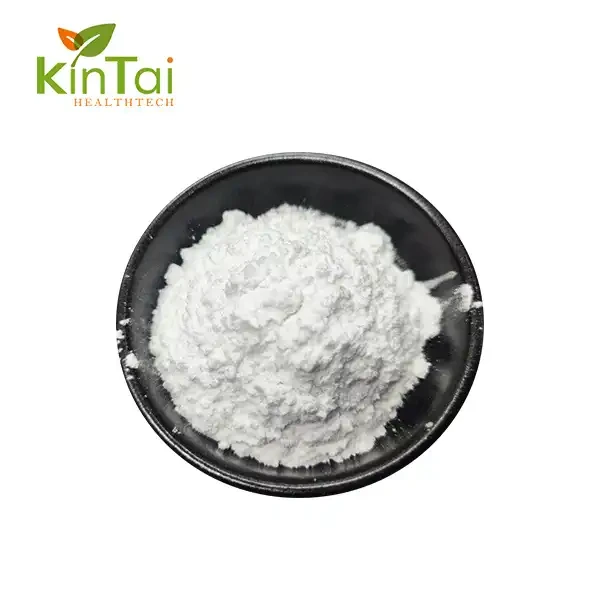
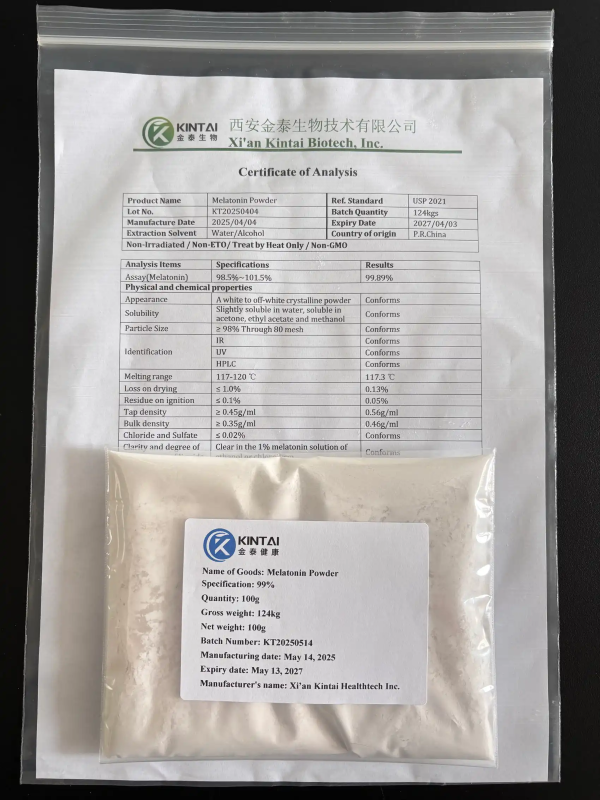
Specification: 99% melatonin(Other specifications can be customized)
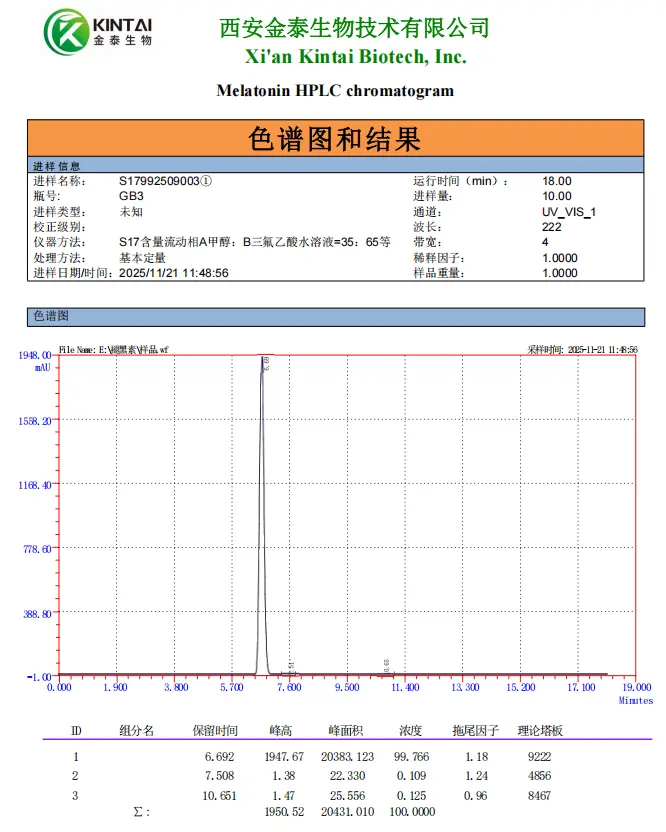
Test Method: HPLC
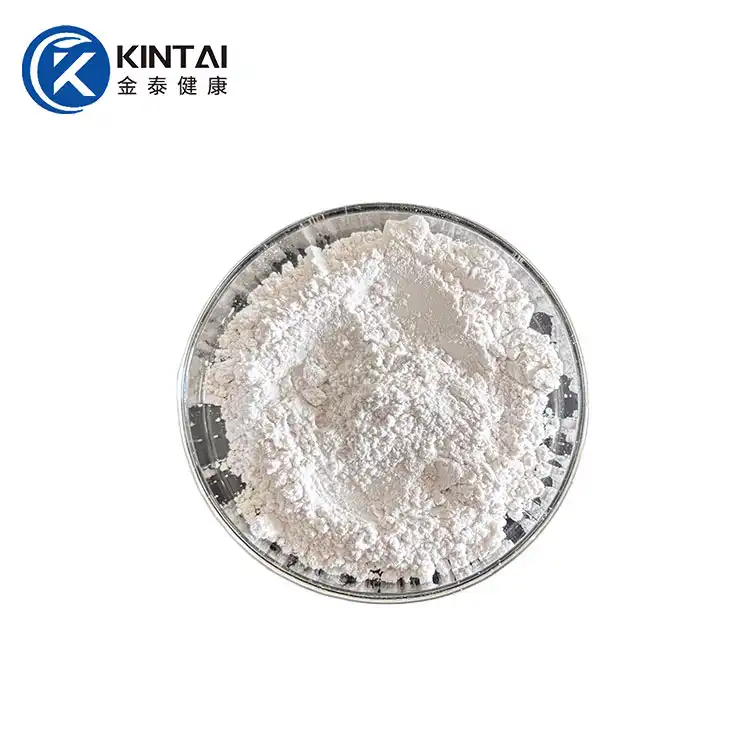
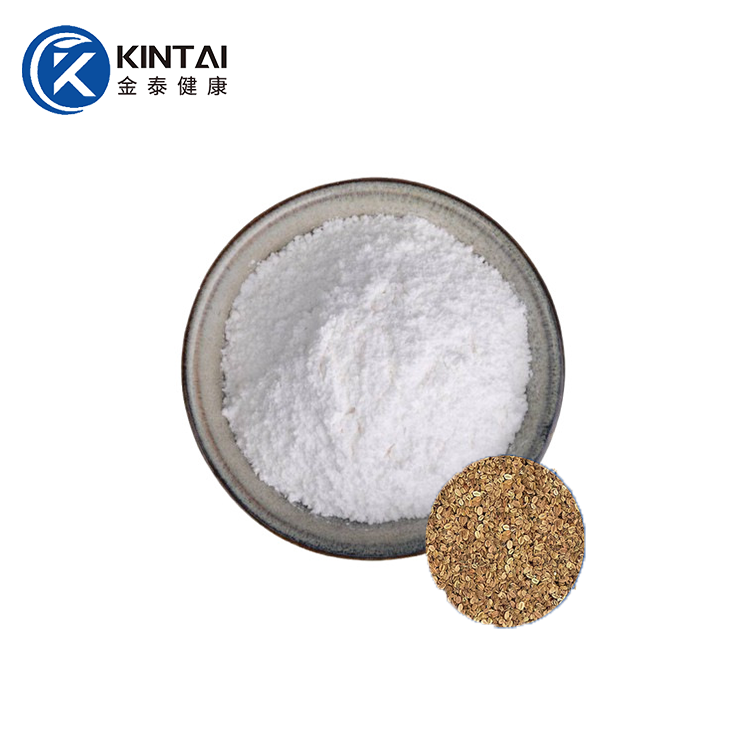
Appearance: White powder
Functions: Improved sleep
Applications: medical
Certifications: GMP, ISO9001:2015, ISO22000:2018, HACCP, KOSHER and HALAL.
Sample: Free sample available
Production Capacity: 2000KG/month
Delivery Time: Delivery within one day from warehouse
Shelf Life: stored in a dry, cool place for two years.
Payment: Multiple terms acceptable like T/T, LC, DA
Company Advantage: 100,000 level clean production workshop, Non-additive, Non-GMO, Non-Irradiated/treat by heat only.
- Fast Delievery
- Quality Assurance
- 24/7 Customer Service
Product Introduction
Melatonin Powder Manufacturer and Supplier
Melatonin powder is a naturally occurring hormone essential for the body's functions. It is also accessible as a dietary supplement. Acting as an antioxidant, melatonin helps eliminate free radicals and collaborates with other antioxidants to enhance their effectiveness. Our melatonin is an enhancement that contains unadulterated melatonin. It allows for easy and convenient consumption and is intended to give a protected and successful method for improving rest quality.
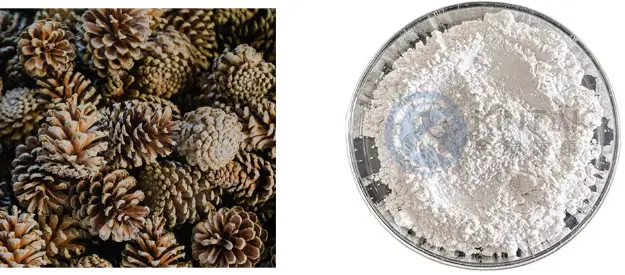
Healthkintai® is a manufacturer and supplier of melatonin. We provide 99% melatonin(other specifications can be customized). If you need melatonin, please feel free to contact us at info@kintaibio.com.
Specification
|
Product Name |
Melatonin Powder |
|
Item of Test |
Limits of Test |
|
Appearance |
White Powder |
|
Assay (HPLC) |
≥99% |
|
Particle |
100% pass 80 mesh |
|
Odor |
Characteristic |
|
As |
<1.0ppm |
|
Pb |
<1.0ppm |
|
Cd |
<1.0ppm |
|
Hg |
<0.05ppm |
|
Loss on drying |
<3.0% |
|
Total Plate Count |
<1000cfu/g |
|
Yeast & Mold |
<100cfu/g |
|
E. Coli |
Negative |
|
S. Aureus |
Negative |
|
Salmonella |
Negative |
|
Pesticides |
Negative |
|
Conclusion |
Conform with specification |
|
Storage |
Store at 2-8°C, in a cool & dry place, Keep away from intense light and heat. |
HPLC Report&COA
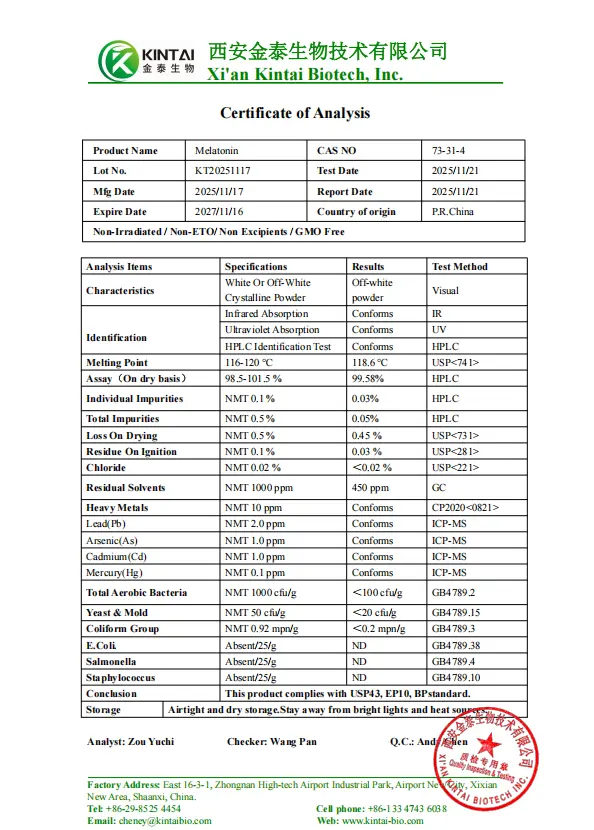
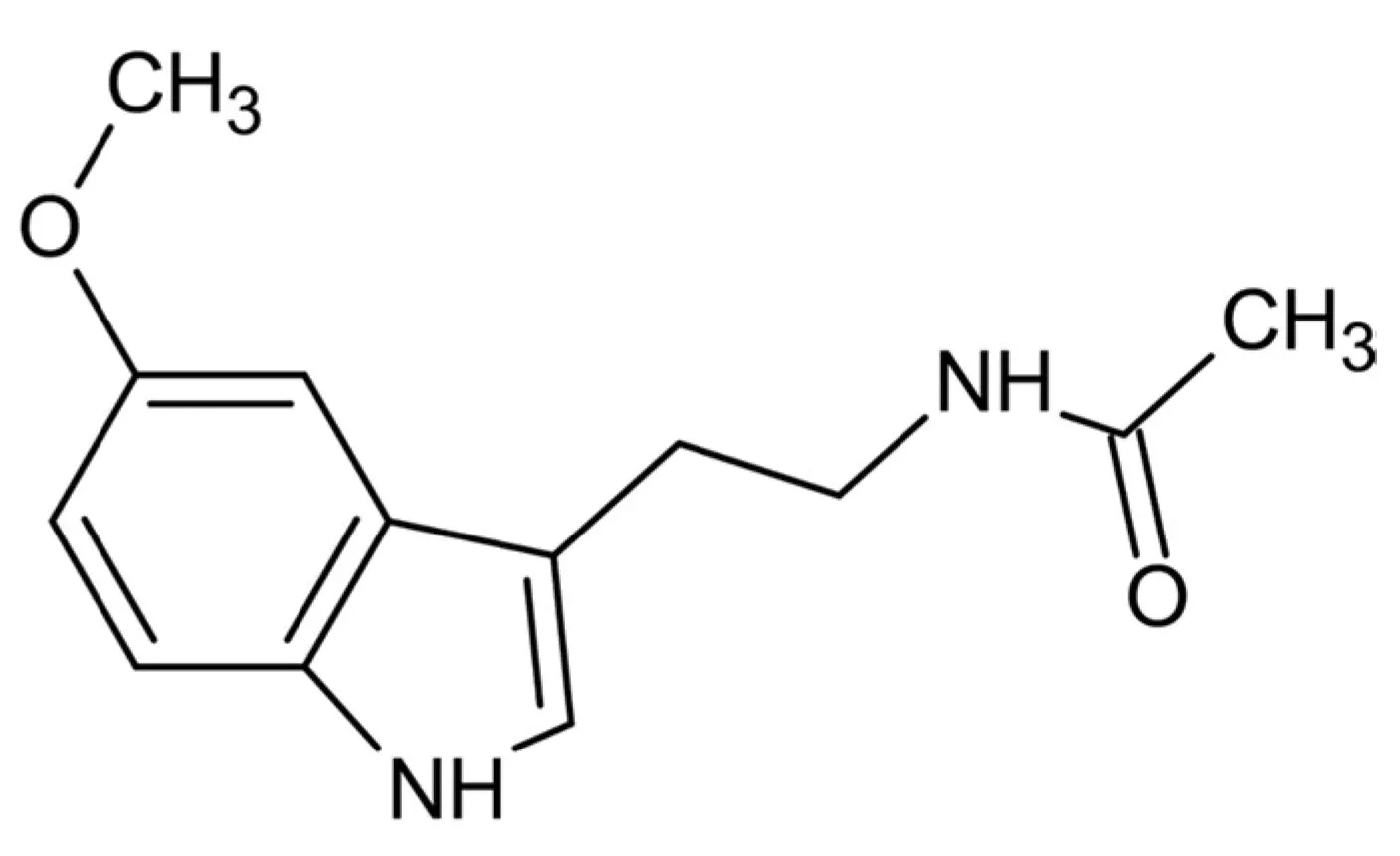
Melatonin Powder Chemical & Physical Properties
|
CAS Number |
73-31-4 |
Density |
1.1099 (rough estimate) |
|
Molecular Formula |
C13H16N2O2 |
Molecular Weight |
232.28 |
|
Melting Point |
116.5-118 ℃ (lit.) |
Boiling Point |
374.44 ℃ (rough estimate) |
|
Solubleness |
Soluble in ethanol at least 50mg/ml |
Test Method |
HPLC |
What does melatonin do to the body?
Melatonin is not merely a simple sleep inducing hormone,but a globally regulating mosleep-inducinglecule that coordinates circadian rhythms and maintains cellular health through receptor mechanisms. The synthesis and secretion of melatonin are strictly controlled by the suprachiasmatic nucleus (the center of the biological clock) in the brain. Light inhibits its secretion through the retina, while darkness promotes its release. Therefore, it peaks at night, directly transmitting the "night is coming, prepare to rest" signal to all organs of the body through receptors in specific brain regions, thus synchronizing the body's circadian rhythm and inducing a sleep-ready state.
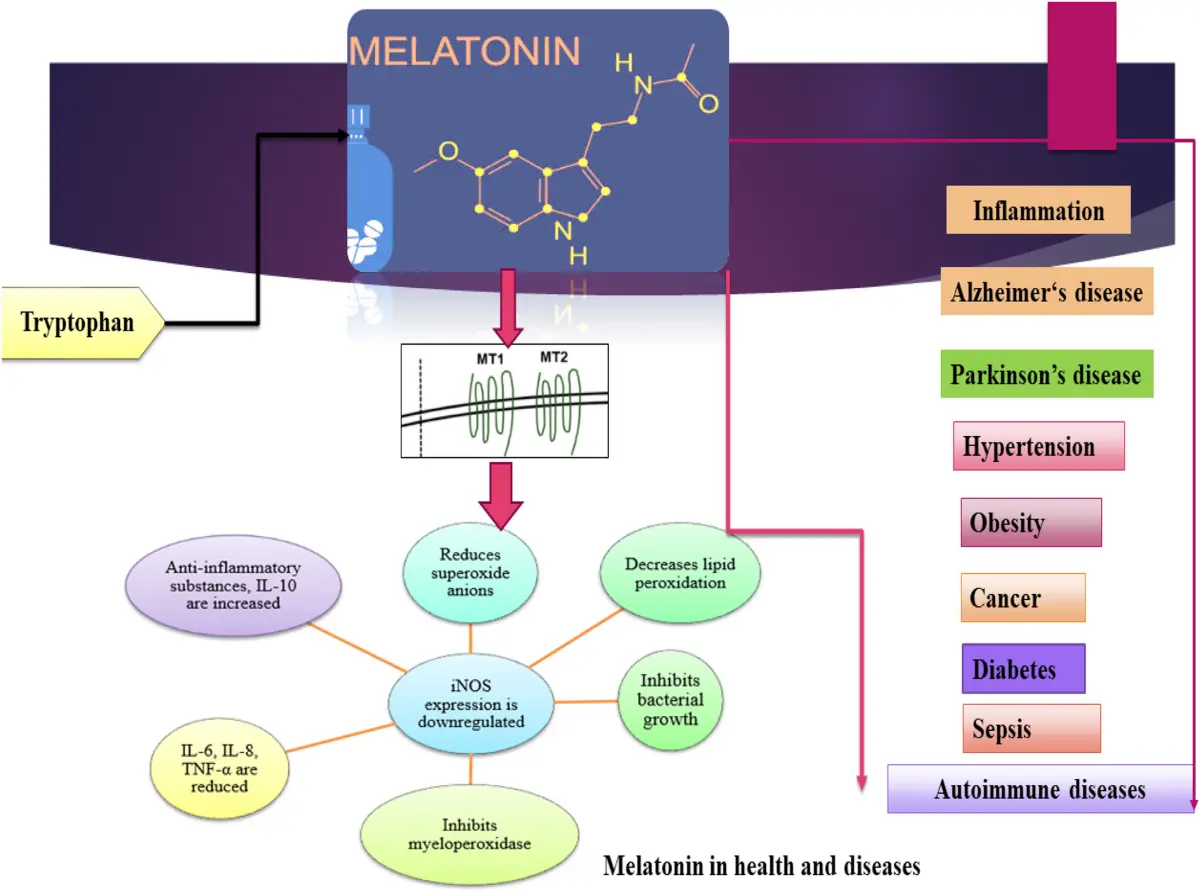
Besides its effects on the central nervous system, melatonin is also a potent endogenous antioxidant and free radical scavenger. Its antioxidant capacity is even superior to vitamins C and E, directly protecting cells from oxidative damage. Simultaneously, it regulates the function of the immune system, enhancing the immune response at night, which explains why sufficient sleep is crucial for immunity.
Melatonin Powder Benefits
1. Regulates Sleep Rhythm and Treats Sleep Disorders
Melatonin's core function is to signal the body's biological clock to "go to night," thereby shortening the time it takes to fall asleep. It is particularly effective for insomnia caused by disrupted circadian rhythms, such as jet lag from shift work or traveling across time zones, helping the body recalibrate and adapt to new sleep patterns.
2. Improves Sleep Quality
For those with poor sleep quality, frequent awakenings, and vivid dreams, melatonin powder supplementation can deepen sleep and reduce the number of awakenings at night, thus improving overall sleep efficiency and quality, leaving one feeling more refreshed upon waking.
3. Powerful Antioxidant Effects
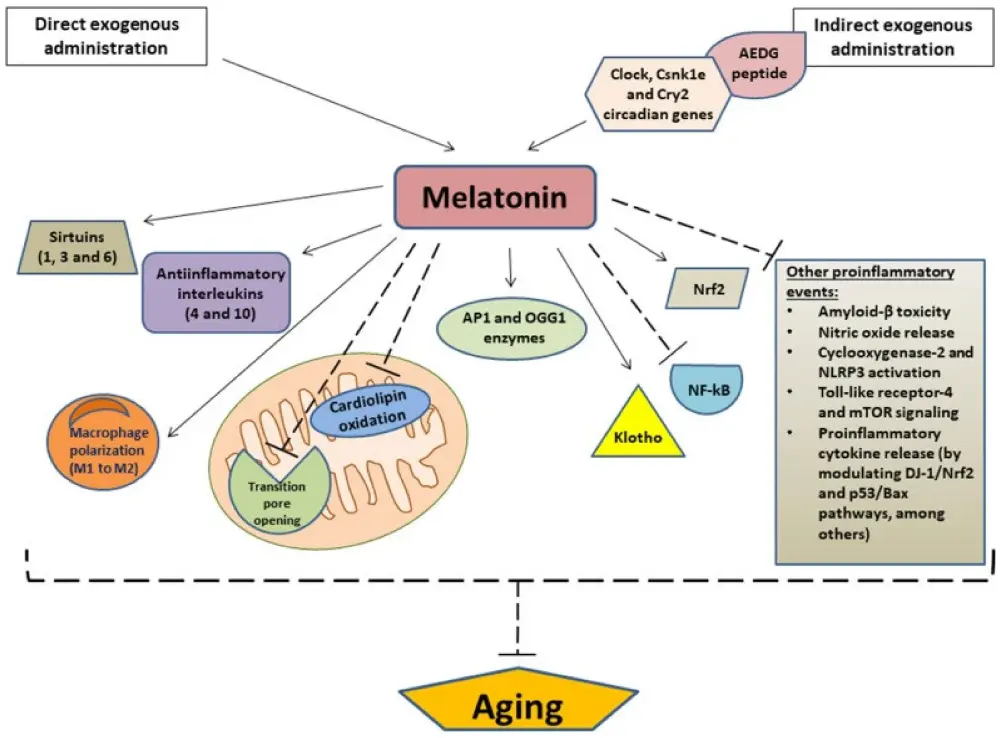
In addition to regulating sleep, melatonin is also a potent endogenous antioxidant. It directly neutralizes free radicals, reducing oxidative stress damage to cells. This property makes it a potential research focus for delaying aging, supporting immune function, and protecting the nervous system.
Melatonin Uses
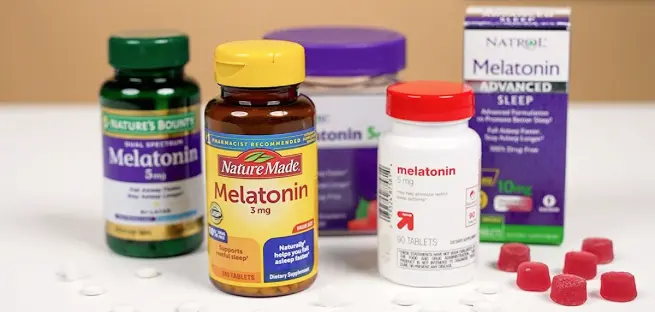
1. Melatonin Supplements
Melatonin use for supplements, especially in North America and other regions. Improve sleep, as an over-the-counter sleep aid to help shorten sleep onset time and regulate temporary circadian rhythm disruptions caused by occasional late nights or crossing time zones, Use its antioxidant properties to scavenge free radicals as a supplement for anti-aging or supporting immune health.In this area, the production and sale of melatonin are regulated by food safety regulations, rather than the stringent approval process for pharmaceuticals. Therefore, its efficacy claims do not require clinical trials like those for drugs.
2. Melatonin Pharmaceuticals
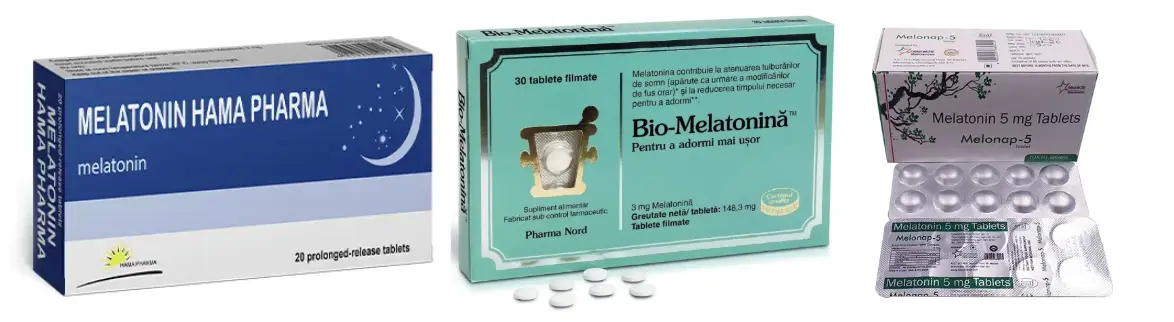
The status of melatonin as a pharmaceutical product varies greatly across countries. In China and most EU countries, high doses of melatonin are classified as prescription drugs for treating specific sleep disorders, such as chronic insomnia in adults and sleep disorders in people over 55 years of age. This means that its dosage, purity, and efficacy have undergone rigorous review and confirmation by pharmaceutical regulatory agencies. In the United States, while melatonin is commonly used as a supplement, certain dosage forms (such as melatonin tablets) are approved as drugs for the treatment of conditions such as delayed sleep phase syndrome, emphasizing its therapeutic properties.
3. Melatonin Functional Foods/Beverages
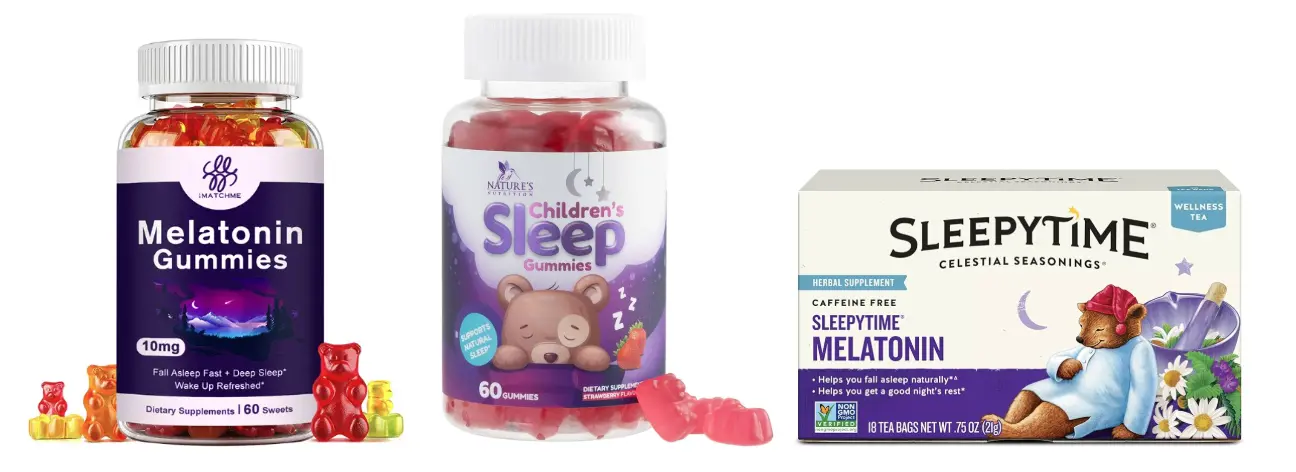
This is a relatively new application area, primarily in markets like Japan and the United States. By adding melatonin to ordinary foods, products with specific health claims are created, such as melatonin gummy and melatonin tea. "Sleep aid water," gummies, and tea bags containing melatonin are already available on the market. These products aim to provide consumers with a more convenient and better-experienced sleep aid option, blurring the lines between food and health supplements.
In this application, the amount of melatonin added and the daily intake are strictly limited to ensure its safety as a food, and clear labeling is required to prevent consumers from ingesting excessive amounts.
Melatonin Dosage
|
Purpose / Population |
General Recommended Dosage |
Authoritative Context & Key Considerations |
|
Adults (General Sleep Support) |
0.5 mg to 5 mg, taken 30-60 minutes before bedtime. |
NCCIH states that typical doses are between 1 to 5 mg. It is advised to start with the lowest effective dose (e.g., 0.5 mg or 1 mg) and increase only if necessary. |
|
Adults (Sleep Cycle Disorders) |
Up to 5 mg, taken a few hours before the desired bedtime. |
For conditions like Delayed Sleep-Wake Phase Disorder, higher doses may be used under medical supervision to shift the circadian rhythm. |
|
Children (With Doctor's Approval) |
Varies significantly based on age and condition. Often ranges from 0.5 mg to 6 mg. |
Crucial: A pediatrician must be consulted before giving melatonin to a child. Doses are often weight-based (e.g., 0.5 mg to 1 mg for a young child) and are typically used for specific issues like insomnia or ADHD-related sleep problems in children. Self-medicating in children is not recommended. |
|
Older Adults (Age 55+) |
Start with a very low dose: 0.5 mg to 1 mg. |
As we age, the body's natural production of melatonin declines and metabolism changes. Older adults may be more sensitive to supplements and experience stronger side effects. Starting low is critical. |
Interested? Contact us to get free sample>>>
Side Effects of Melatonin
1. Common Side Effects of Short Term Use
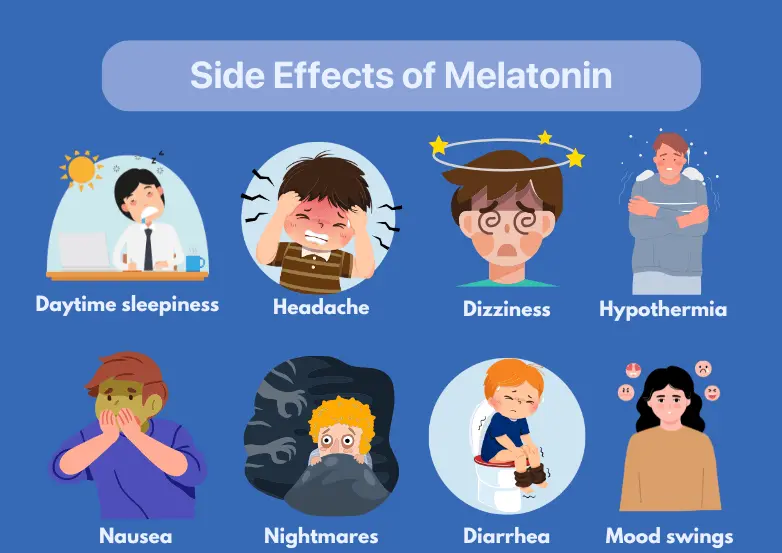
Melatonin is generally safe for short-term use, but may cause a range of mild and reversible adverse reactions. The most common include daytime drowsiness, dizziness, headache, and nausea. Some people may experience transient mood swings, irritability, or abdominal discomfort. These symptoms usually disappear after discontinuation of the medication or when the body adapts.
2. Unknown Risks and Endocrine Effects of Long-Term Use
Of particular concern is that melatonin powder is a hormone, and long term or high dose exogenous supplementation may interfere with the body's normal melatonin secretion through negative feedback inhibition mechanisms and may have potential effects on other endocrine axes (such as the gonads and thyroid). Therefore, long-term use without medical supervision is not recommended.
3. Risks in Specific Populations
Children, adolescents, pregnant women, and breastfeeding women should avoid use, as its potential effects on the developing neuroendocrine system are not yet clear. Patients with autoimmune diseases, depression, epilepsy, or those taking anticoagulants, antihypertensive drugs, or hypoglycemic drugs should exercise extreme caution, as melatonin may interact with these medications or worsen their existing conditions.
Where to buy the best melatonin powder?
Healthkintai® Company's melatonin powder boasts a purity of up to 99%. We adhere to international pharmacopoeia standards and hold GMP, ISO9001:2015, ISO22000:2018, HACCP, KOSHER and HALAL, ensuring product quality. More importantly, we deeply understand the unique needs of each client, providing flexible customization services throughout the entire process, from dosage and formulation to compound ratios, helping your product accurately position itself in the market and stand out.
FAQ
Q1:Is it safe to take melatonin every night?
A1:Short-term use (usually within three months) is considered safe for most healthy adults. However, the effects of long-term nightly use require further research.The main concern is that it may disrupt the body's natural melatonin production rhythm, leading to dependence. Some people may experience side effects such as drowsiness, headache, or dizziness the following day.It is not recommended for long-term use as a regular sleeping pill without a doctor's guidance. Improving sleep habits should be the primary approach. If you suffer from persistent insomnia, be sure to consult a doctor to determine the underlying cause.
Q2:Does melatonin help with belly fat?
A2:Melatonin's primary function is to regulate the body's sleep-wake cycle. Some studies have found that improving sleep quality may indirectly help with weight management because insufficient sleep disrupts appetite-related hormones, potentially leading to increased appetite.However, any observed weight changes are more likely an indirect result of quality sleep than a direct fat-burning effect of melatonin itself. For weight loss, a balanced diet and regular exercise remain the most effective and irreplaceable methods.
Q3:Does melatonin speed up your metabolism?
A3:Based on current scientific evidence, melatonin's direct impact on metabolism is complex and not fully established. It does not act as a significant metabolic booster in the way that, for instance, thyroid hormones do. While melatonin is not a direct metabolism accelerator, optimizing its levels through good sleep may support a healthier, more balanced metabolism. It should not be used as a weight-loss supplement.
Our Certifications

Send Inquiry

_1757055034114.jpg)