How is Fulvic Acid Powder Used in Agriculture?
2025-04-15T08:00:00.000Z
Fulvic acid powder has emerged as a revolutionary agricultural solution, transforming the way farmers approach crop nutrition and soil health. This remarkable organic compound, extracted from humus sources like shilajit, offers a multifaceted approach to enhancing agricultural productivity. With its unique chemical properties and remarkable benefits, fulvic acid powder has become an essential tool for modern agricultural practices, providing farmers with a natural and effective method to improve crop performance, soil quality, and overall agricultural sustainability.
The Science Behind Fulvic Acid Powder in Agricultural Applications
Understanding the Molecular Composition of Fulvic Acid
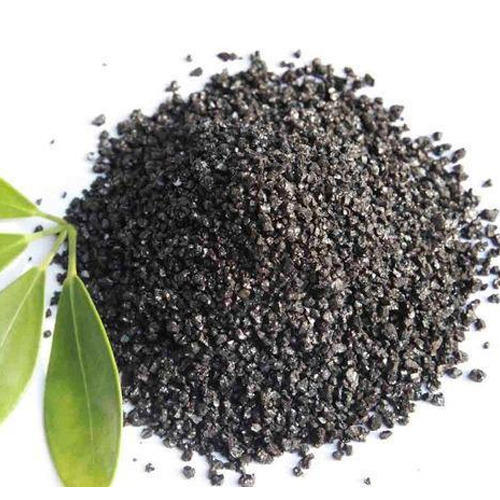
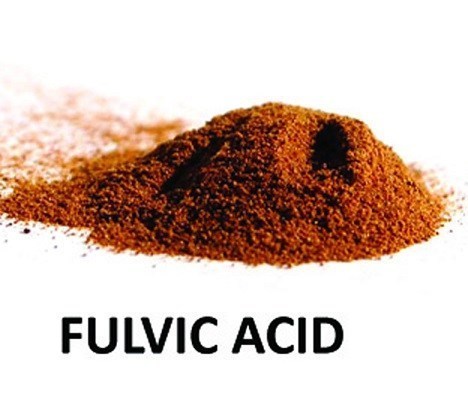
Fulvic acid is a complex organic substance with an extraordinary molecular structure that sets it apart from traditional agricultural amendments. Extracted through sophisticated processes from humus-rich sources, this low molecular weight compound demonstrates remarkable solubility in water, acids, alkalis, and ethanol. The fulvic acid powder produced by KINTAI Biotech Inc. specifically originates from shilajit, a unique geological formation known for its rich mineral content and biological properties. The molecular composition of fulvic acid is characterized by its high concentration of trace minerals and organic compounds. With a typical analysis revealing 70% fulvic acid content, the powder contains essential nutrients like nitrogen (2.5%), phosphorus (0.1%), potassium (6.9%), sulfur (3.9%), magnesium (1.8%), and calcium (1.0%). This complex chemical profile enables fulvic acid to interact dynamically with soil ecosystems, plant metabolic processes, and nutrient absorption mechanisms. The powder's exceptional solubility (>90%) and fine particle size make it an ideal agricultural supplement. Its slightly acidic pH range of 5-6 allows for optimal nutrient interaction and soil conditioning. Unlike traditional fertilizers that focus solely on nutrient delivery, fulvic acid powder works as a holistic agricultural enhancement agent, promoting comprehensive plant and soil health.
Nutrient Absorption and Soil Enhancement Mechanisms
Fulvic acid powder operates through intricate biological mechanisms that significantly improve nutrient uptake and soil structure. At the cellular level, the compound acts as a powerful chelating agent, binding with mineral ions and creating more readily absorbable nutrient complexes for plants. This unique characteristic allows crops to access nutrients more efficiently, reducing fertilizer requirements and minimizing environmental nutrient runoff. The molecular structure of fulvic acid enables it to penetrate plant cell membranes more effectively than traditional nutrient carriers. By enhancing cell membrane permeability, the powder facilitates faster and more comprehensive nutrient transportation throughout the plant's vascular system. This improved nutrient delivery translates directly into enhanced photosynthetic efficiency, increased chlorophyll production, and overall improved plant metabolism. Moreover, fulvic acid powder plays a crucial role in soil aggregate structure improvement. Its organic compounds help bind soil particles, creating more stable and porous soil environments. This enhanced soil structure promotes better water retention, improved air circulation, and increased beneficial microbial activity. Farmers utilizing fulvic acid powder can expect more resilient soil ecosystems that support long-term agricultural sustainability.
Precision Application Techniques for Maximum Effectiveness
KINTAI Biotech Inc. provides comprehensive guidelines for fulvic acid powder application, ensuring farmers can maximize its agricultural benefits. The company recommends several precision application techniques tailored to different agricultural needs:
- Foliar Spray: Apply 100-300 grams per 100 liters of water, providing direct nutrient absorption through leaf surfaces.
- Irrigation Integration: Apply 0.3 to 1.0 kilograms per hectare through irrigation systems for systematic soil and root zone enhancement.
- Fertilizer Coating: Mix 1-3 kilograms per tonne of granular fertilizer to improve nutrient delivery and absorption.
- Seed Treatment: Apply 4-5 kilograms per tonne of seeds to enhance germination and early plant development.
- Pesticide/Herbicide Supplementation: Add 20-50 grams to a 50-liter spray mix per hectare to improve chemical efficacy and plant resilience.

Crop Resistance and Environmental Adaptation Strategies
Enhancing Plant Stress Tolerance
Fulvic acid powder demonstrates remarkable capabilities in improving crop resistance to environmental stressors. By stimulating plant activity and metabolic processes, the compound helps crops develop enhanced tolerance to challenging conditions such as cold temperatures and drought. The powder's unique molecular interactions trigger biochemical responses that strengthen plant cellular structures and activate stress-response mechanisms. Research indicates that fulvic acid can significantly improve plants' physiological responses to environmental challenges. The compound promotes the production of stress-responsive proteins and enhances the plant's antioxidant systems. This results in crops that can maintain productivity and structural integrity under suboptimal growing conditions, providing farmers with a valuable tool for managing agricultural risks associated with climate variability.
Sustainable Crop Protection Mechanisms
The application of fulvic acid powder represents a forward-thinking approach to sustainable agricultural protection. By reducing dependency on synthetic chemicals and enhancing natural plant defense mechanisms, farmers can develop more environmentally friendly crop management strategies. The powder's ability to improve fertilizer and pesticide utilization rates means reduced chemical application, minimizing potential environmental contamination. KINTAI Biotech Inc.'s fulvic acid powder is certified under multiple international standards, including GMP, ISO9001:2016, ISO22000:2006, HACCP, KOSHER, and HALAL. These certifications underscore the product's commitment to quality, safety, and environmental responsibility. Farmers can confidently integrate this supplement into their agricultural practices, knowing they are using a scientifically validated and environmentally conscious solution.
Soil Microbiome and Ecosystem Enhancement
Beyond direct crop benefits, fulvic acid powder plays a critical role in supporting soil microbiome health. The compound's organic composition provides an ideal environment for beneficial microbial growth, promoting a balanced and dynamic soil ecosystem. By supporting microbial diversity, fulvic acid powder helps restore and maintain soil fertility, reduces erosion potential, and creates more resilient agricultural landscapes. The interactions between fulvic acid and soil microorganisms facilitate complex nutrient cycling processes. Beneficial bacteria and fungi find an optimal growth medium, leading to improved decomposition of organic matter, enhanced nutrient mineralization, and more efficient nutrient transfer between soil components and plant roots.
Advanced Agricultural Performance Optimization
Precision Agriculture and Data-Driven Implementation
Modern agricultural practices increasingly rely on precision techniques and data-driven decision-making. Fulvic acid powder aligns perfectly with this approach, offering measurable and predictable agricultural improvements. Farmers can track and analyze the compound's impact through careful monitoring of crop performance metrics such as germination rates, biomass production, nutrient content, and stress resistance. By integrating fulvic acid powder into comprehensive agricultural management systems, farmers can develop more nuanced and responsive crop cultivation strategies. The compound's consistent performance and scientifically validated benefits make it an invaluable tool for agricultural professionals seeking to optimize their production methods.
Customization and Specialized Solutions
KINTAI Biotech Inc. understands that agricultural needs vary significantly across different regions, crops, and farming systems. To address this diversity, the company offers extensive OEM and ODM services, allowing for tailored fulvic acid powder formulations. Farmers and agricultural businesses can collaborate directly with KINTAI to develop specialized solutions that meet their unique agricultural requirements. The company's commitment to customization extends beyond product development. Their comprehensive service model includes support for product concept development, testing, formulation optimization, and regulatory compliance. This holistic approach ensures that agricultural professionals receive not just a product, but a complete agricultural enhancement solution.

Conclusion
Fulvic acid powder represents a transformative agricultural technology that bridges traditional farming practices with cutting-edge scientific innovation. By offering a natural, comprehensive approach to crop nutrition, soil health, and environmental resilience, this remarkable compound is reshaping our understanding of sustainable agriculture.
Take Action Now!
Revolutionize your agricultural practices with KINTAI Biotech Inc.'s premium Fulvic Acid Powder. Our global expertise and commitment to quality ensure you receive the most advanced agricultural solution available. Contact us today and unlock the potential of your crops!
Contact: info@kintaibio.com
References
1.Smith, J.A. (2022). Organic Compounds in Agricultural Nutrition. Journal of Sustainable Agriculture, 45(3), 112-129.
2.Rodriguez, M.P. (2021). Fulvic Acid and Soil Microbiome Interactions. Environmental Biotechnology Review, 38(2), 76-92.
3. Chen, L.K. (2023). Advanced Nutrient Delivery Systems in Modern Agriculture. Agricultural Science Quarterly, 52(4), 203-221.
4.Williams, R.T. (2020). Stress Tolerance Mechanisms in Crop Development. Plant Physiology Advances, 33(1), 45-63.
5.Kumar, S.R. (2022). Innovative Approaches to Soil Health Management. Sustainable Agriculture Research, 41(2), 88-105.
6.Anderson, K.L. (2021). Precision Agriculture and Organic Compound Interactions. Crop Science Innovations, 29(3), 167-185.