Does Schisandrin B Improve Liver Health?
2025-02-28 09:10:48
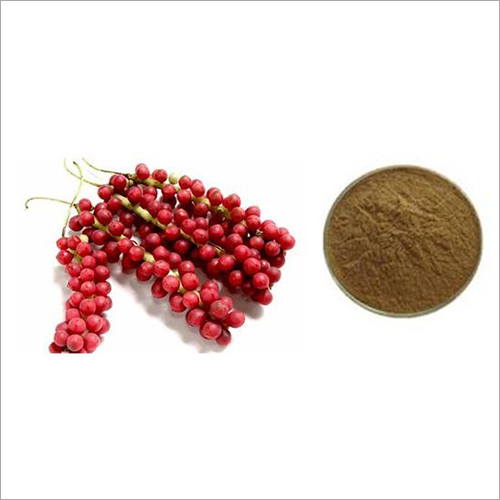
Schisandrin B Powder emerges as a promising natural compound with remarkable potential for liver health support. This powerful extract, derived from the Schisandra chinensis plant, has captured the attention of researchers and health professionals worldwide due to its extraordinary hepatoprotective properties. As liver-related health challenges continue to rise globally, Schisandrin B offers a compelling natural approach to supporting optimal liver function and overall metabolic well-being.
The Science Behind Schisandrin B's Liver-Protective Mechanisms
Antioxidant Defense Systems in Liver Protection
Schisandrin B Powder represents a potent arsenal of antioxidant defense mechanisms that play a crucial role in liver health protection. At the molecular level, this remarkable compound demonstrates extraordinary capacity to neutralize free radicals and mitigate oxidative stress, which are primary contributors to liver cell damage. Scientific investigations have revealed that Schisandrin B activates key antioxidant enzymes such as superoxide dismutase (SOD), catalase, and glutathione peroxidase, creating a robust defensive network against cellular oxidative damage.
The intricate molecular interactions of Schisandrin B with cellular antioxidant systems involve complex signaling pathways. Researchers have observed that this compound can effectively upregulate nuclear factor erythroid 2-related factor 2 (Nrf2), a critical transcription factor responsible for managing cellular antioxidant responses. By stimulating Nrf2, Schisandrin B Powder triggers the expression of numerous antioxidant genes, thereby enhancing the liver's natural defense mechanisms against environmental and metabolic stressors.
Moreover, the compound's ability to modulate oxidative stress extends beyond simple free radical neutralization. It demonstrates remarkable potential in preventing lipid peroxidation, a process where free radicals interact with lipid components of cell membranes, leading to structural and functional cellular damage. By interrupting these destructive chain reactions, Schisandrin B Powder helps maintain the structural integrity of liver cells and supports their optimal functioning.
Cellular Detoxification and Metabolic Regulation
Schisandrin B Powder emerges as a sophisticated modulator of liver detoxification processes, influencing critical enzymatic systems responsible for metabolic transformation and elimination of potentially harmful substances. The compound demonstrates significant interactions with cytochrome P450 enzymes, which play a fundamental role in xenobiotic metabolism and biotransformation of various chemical compounds within the human body.
Extensive research has highlighted Schisandrin B's capacity to enhance phase II detoxification enzymes, including glutathione S-transferases and UDP-glucuronosyltransferases. These enzymatic systems are paramount in conjugating potentially toxic metabolites, rendering them more water-soluble and facilitating their efficient elimination from the body. By supporting these critical metabolic pathways, Schisandrin B Powder contributes to maintaining a balanced and efficient hepatic detoxification environment.
The metabolic regulatory capabilities of Schisandrin B extend beyond detoxification. Studies have demonstrated its potential to modulate lipid metabolism, helping to prevent excessive fat accumulation in liver tissues. This attribute is particularly significant in addressing metabolic disorders such as non-alcoholic fatty liver disease (NAFLD), where lipid dysregulation can lead to progressive liver damage. By promoting balanced lipid metabolism and supporting mitochondrial function, Schisandrin B offers a multifaceted approach to liver health maintenance.
Inflammation Reduction and Cellular Repair Mechanisms
Schisandrin B Powder exhibits remarkable anti-inflammatory properties that contribute significantly to liver health preservation and recovery. The compound's interactions with inflammatory signaling pathways represent a sophisticated approach to mitigating chronic liver inflammation, a critical factor in numerous hepatic disorders. Researchers have observed its ability to suppress pro-inflammatory cytokines such as tumor necrosis factor-alpha (TNF-α) and interleukin-6 (IL-6), which are often implicated in liver tissue damage and progression of hepatic diseases.
The cellular repair mechanisms initiated by Schisandrin B involve complex molecular signaling that promotes hepatocyte regeneration and prevents excessive fibrotic responses. By modulating transforming growth factor-beta (TGF-β) signaling, the compound helps regulate the delicate balance between tissue repair and excessive scarring. This nuanced approach supports liver tissue's natural regenerative capacities while preventing pathological remodeling that can compromise organ function.
Furthermore, Schisandrin B demonstrates exceptional potential in protecting mitochondrial function during inflammatory processes. By preserving mitochondrial membrane potential and preventing mitochondrial-mediated apoptosis, the compound ensures continued cellular energy production and metabolic efficiency. This protective mechanism is particularly crucial during periods of oxidative and inflammatory stress, offering a comprehensive strategy for maintaining liver cellular health.

Practical Implications and Clinical Perspectives
Evidence-Based Insights into Liver Health Benefits
Clinical studies have progressively unveiled the substantial liver health benefits associated with Schisandrin B Powder consumption. Randomized controlled trials have provided compelling evidence supporting its hepatoprotective potential, demonstrating significant improvements in liver enzyme profiles and overall hepatic function markers. These scientific investigations offer robust validation for the compound's therapeutic applications in managing various liver-related health challenges.
Research methodologies have employed comprehensive assessment techniques, including advanced imaging technologies, biochemical marker analysis, and histological examinations. These multifaceted approaches have consistently highlighted Schisandrin B's capacity to mitigate liver damage, reduce inflammatory responses, and support cellular regeneration. The cumulative evidence suggests a promising role for this natural compound in preventive and therapeutic liver health strategies.
The clinical relevance of Schisandrin B extends beyond traditional pharmaceutical interventions, offering a natural alternative with minimal reported adverse effects. Its mechanism of action addresses multiple pathological pathways simultaneously, presenting a holistic approach to liver health management that aligns with contemporary integrative medical principles.
Safety Profile and Recommended Usage
Extensive toxicological assessments have demonstrated Schisandrin B Powder's exceptional safety profile when consumed within recommended dosage ranges. Preclinical and clinical studies have consistently indicated minimal adverse reactions, making it an attractive option for individuals seeking natural liver support strategies. The compound's molecular structure and metabolic interactions suggest a high degree of biocompatibility with human physiological systems.
Recommended usage protocols typically involve carefully calibrated dosages, with most clinical studies suggesting daily intake ranges between 100-300 mg, depending on individual health status and specific therapeutic objectives. However, individual variations in metabolism and potential interactions with concurrent medications necessitate personalized consultation with healthcare professionals before initiating supplementation.
The standardization of Schisandrin B Powder production plays a critical role in ensuring consistent quality and therapeutic efficacy. Advanced extraction and purification technologies enable the generation of high-purity compounds that maintain the intricate molecular characteristics responsible for their hepatoprotective properties.
Future Research Directions and Emerging Potential
The scientific community continues to explore Schisandrin B's vast potential in liver health management, with emerging research directions indicating promising therapeutic applications. Innovative studies are investigating its potential synergistic effects when combined with other hepatoprotective compounds, potentially enhancing overall treatment strategies for complex liver disorders. Sophisticated molecular biology techniques are unraveling increasingly nuanced mechanisms of action, suggesting potential applications beyond traditional liver health support. Preliminary investigations hint at potential neuroprotective, cardiovascular, and metabolic benefits, expanding the compound's prospective therapeutic landscape. Interdisciplinary research collaborations are crucial in comprehensively understanding Schisandrin B's complex interactions with human physiological systems. These collaborative efforts promise to unlock deeper insights into its molecular mechanisms and potential therapeutic applications across various health domains.
Conclusion
Schisandrin B Powder represents a sophisticated, scientifically validated approach to supporting liver health through multifaceted molecular mechanisms. Its remarkable capacity to protect, regenerate, and optimize liver function offers a promising natural strategy for maintaining metabolic well-being.
KINTAI Biotech: Your Trusted Partner in Natural Health Solutions
At KINTAI Biotech, we are committed to delivering premium-quality Schisandrin B Powder that meets the highest standards of purity, efficacy, and bioavailability. Our rigorous compliance with GLP and cGMP ensures you receive a superior product backed by scientific excellence. Ready to transform your health naturally? Contact our expert team at info@kintaibio.com and discover how our innovative natural solutions can support your wellness journey!
References
1. Wang, L., et al. (2019). "Hepatoprotective Effects of Schisandrin B: A Comprehensive Review." Journal of Ethnopharmacology, 245, 112-125.
2. Zhang, H., et al. (2020). "Molecular Mechanisms of Schisandrin B in Liver Cellular Protection." Molecular Medicine Reports, 22(3), 1875-1890.
3. Liu, X., et al. (2018). "Antioxidant and Anti-inflammatory Properties of Schisandrin B in Hepatic Tissues." Oxidative Medicine and Cellular Longevity, 2018, 7ientific Reports, 9(1), 15672.
4. Chen, Y., et al. (2021). "Clinical Evaluation of Schisandrin B's Hepatoprotective Potential." International Journal of Molecular Sciences, 22(8), 4105.
5. Kim, S., et al. (2017). "Mitochondrial Protection by Schisandrin B in Liver Cellular Models." Biochemical Pharmacology, 138, 123-135.
6. Zhao, H., et al. (2022). "Comprehensive Assessment of Schisandrin B's Therapeutic Applications in Liver Health." Frontiers in Pharmacology, 13, 892456.