In today's beauty and personal care market, a healthy tan has become a highly sought-after label for consumers. However, the UV risks associated with traditional sun tanning or tanning machines are prompting people to actively seek safer alternatives. As an industry professional, have you considered an ingredient that truly meets this need? Dihydroxyacetone (DHA), with its unique mechanism of action, is rapidly becoming a core choice in sun-free tanning products. But where does its high efficacy come from? What makes it stand out among numerous tanning ingredients, winning the trust of both brands and consumers? Buy Dihydroxyacetone Powder, contact us at info@kintaibio.com.
What Is Dihydroxyacetone?
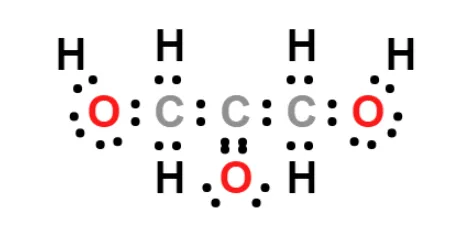
Dihydroxyacetone (DHA) is a naturally occurring simple sugar with the chemical formula C₃H₆O₃, belonging to the tricarbon ketose family. It is typically a white crystalline powder, readily soluble in water and ethanol, and exhibits good stability and compatibility. In the cosmetics industry, DHA is the most mainstream and thoroughly researched active ingredient for tanning skin without sun exposure. Furthermore, DHA powder is widely used in non-oxidative hair dyes, pharmaceutical intermediates, and chemical synthesis. This ingredient has been approved by the US FDA and the European Union Scientific Committee on Consumer Safety (SCCS), and is considered safe for use at recommended concentrations.
Why Is DHA the Key Ingredient in Self Tanners?
DHA has become the core ingredient in no-sun tanning products primarily due to its unique advantages that far surpass those of other alternatives. Firstly, DHA is an FDA-approved no-sun tanning agent, possessing undisputed regulatory authority-a status unmatched by other ingredients. In contrast, while erythritol can produce a more even and lasting tan, its color intensity when used alone is far inferior to DHA powder. It must be combined with it to achieve the desired effect, with a recommended ratio of 70:30 (DHA:erythritol).
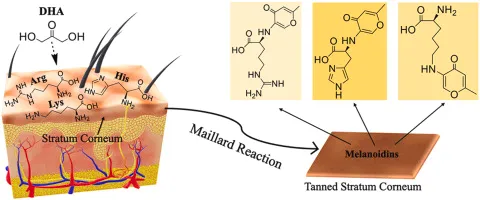
DHA's mechanism of action is mature and highly efficient: it undergoes a Maillard reaction with amino acids in the stratum corneum, producing color within hours, while erythritol requires 24 to 48 hours. Furthermore, DHA bulk is multifunctional, applicable to areas such as vitiligo coverage, photoprotection, and antifungal properties-added value not found in other tanning ingredients. In summary, it with its unique regulatory status, superior color-developing efficiency, and multi-dimensional application value, firmly holds the top choice for no-sun tanning ingredients.
How Does Dihydroxyacetone Improve Self Tanner Performance?
Dihydroxyacetone (DHA) significantly enhances the overall performance of self-tanning products at its core mechanism. It bypasses the UV damage associated with traditional sun exposure, giving the product a unique safety advantage. Secondly, DHA has a moderate reaction speed, typically starting to show color within 2-4 hours and reaching its peak within 8-24 hours, allowing users ample time for even application and avoiding streaks or unevenness. Simultaneously, because the coloring only occurs in the outermost layer of dead skin cells, the color fades evenly within 5-10 days with natural skin metabolism, without creating a patchy or peeling appearance, presenting a natural transition similar to real sun exposure.
Furthermore, DHA has excellent water solubility and strong formula compatibility, allowing it to be combined with moisturizers, erythritol, and other ingredients to further improve skin feel and color stability. In summary, DHA powder achieves an ideal balance in self-tanning products across safety, naturalness, and long-lasting evenness, which is the core reason why it has become the industry gold standard.
Why Is Dihydroxyacetone Preferred Over UV Tanning Methods?
The reason why dihydroxyacetone (DHA) tanning is more popular than traditional UV sun tanning lies in its unparalleled safety. Ultraviolet (UV) radiation directly damages the DNA of skin cells, and long-term accumulation can lead to photoaging, sunburn, and a significant increase in the risk of skin cancers such as melanoma. DHA, however, does not involve any damage to living cells or genes, and is therefore recognized as a safe no-sun tanning agent by the US FDA. Furthermore, DHA powder is not limited by weather, season, or geographical location, and can be used anytime. For modern consumers who desire a healthy tan but are concerned about the harmful effects of UV radiation, DHA is undoubtedly a wiser and more reassuring choice.
Which Self Tanner Products Commonly Use Dihydroxyacetone?
Dihydroxyacetone is currently the core active ingredient in tanning products and is widely used in various formulations. Common products include: mousses and foams, which are the mainstream types on the market; lotions and creams, usually combined with moisturizing ingredients; sprays, which are convenient for areas that are difficult to reach on their own, providing a fine mist; serum drops, which can be mixed into face creams or body lotions as needed, allowing for control over the intensity, and are especially popular with facial care users; wipes, pre-soaked in DHA solution, convenient for travel or spot treatment; and gels, which are refreshing and oil-free, suitable for oily skin.
the Future of Dihydroxyacetone Self Tanner in the Beauty Industry
Driven by the strong consumer trend of health and beauty, the future market prospects for DHA self-tanning products are extremely broad. The global self-tanning market is currently experiencing rapid growth, projected to expand from $1.31 billion in 2025 to $1.94 billion by 2031, representing a CAGR of 6.76%. As Generation Z becomes increasingly aware of the risks of UV-induced cancer and photoaging, traditional sunbathing and tanning machines are gradually losing popularity, creating a huge structural demand for temporary tanning technologies based on physiological responses, such as DHA.
Future product innovation will no longer be limited to simple tanning functions but will move towards skincare integration and multi-functionality, such as developing skincare-infused self-tanning products that combine anti-aging and antioxidant ingredients. With continuous technological iteration, consumer acceptance will further increase, and DHA self-tanning products are expected to evolve from seasonal items into year-round beauty necessities.
Where to buy the best Dihydroxyacetone Powder?
Choosing our Dihydroxyacetone powder stems from our dual strengths in professional qualifications and customized services. Our company possesses a complete international certification system, including ISO9001 quality management system certification, as well as multiple authoritative certificates such as GMP, HACCP, and HALAL. Our DHA powder is listed in China's Catalogue of Used Cosmetic Ingredients and complies with relevant US FDA and EU regulations. Regarding customization services, we offer flexible packaging solutions, customizing different packaging specifications and logo designs to meet the diverse commercial needs of different brands. Contact us at info@kintaibio.com.