

When staying up late for social engagements becomes the norm and the transaminase levels on your medical report start to raise alarms, your liver is silently bearing a burden that far exceeds its capacity. In an era where medicine cabinets are packed with liver-support supplements and hangover cures, a natural compound,dihydromyricetin (DHM),is increasingly becoming a focal point of laboratory research. It makes no promises of miraculous reversal, yet it may offer a more rational point of intervention within the complex processes of alcohol metabolism, fat accumulation, and oxidative stress. Setting aside a barrage of data for the moment, let us first clarify a fundamental question: once DHM enters the body, what exactly is the nature of its interaction with the liver? Contact us at info@kintaibio.com.
What is DHM?
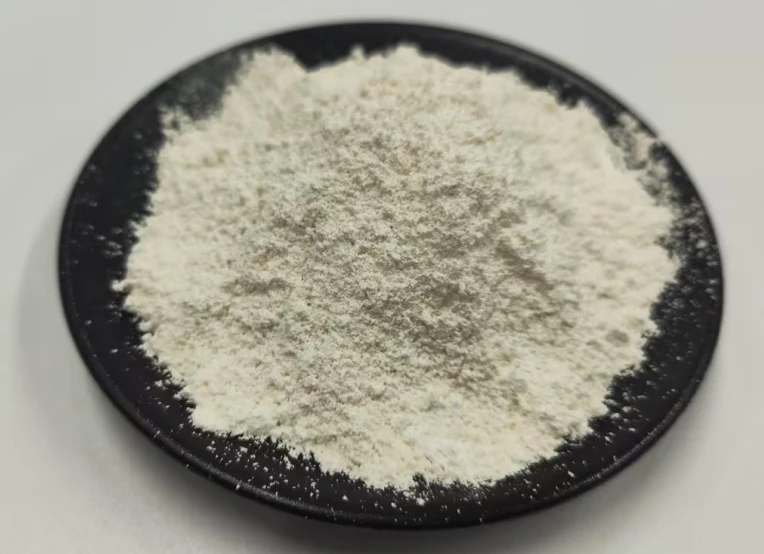
Dihydromyricetin (DHM) is a naturally occurring flavonoid compound. It is widely distributed in various plants-being particularly abundant in the stems and leaves of Ampelopsis grossedentata and also found in Hovenia dulcis (Japanese raisin tree) and Myrica rubra (Chinese bayberry).
Classified as a polyphenol, DHM has the molecular formula C₁₅H₁₂O₈ and a relative molecular mass of 320.25. Modern pharmacological research has confirmed that DHM possesses diverse biological activities, including antioxidant, anti-inflammatory, and anti-tumor effects, as well as the ability to regulate blood glucose and lipid levels and protect the liver. It has garnered significant attention, particularly for its potential in alleviating hangovers and protecting liver health.
What is dihydromyricetin used for?
Dihydromyricetin (DHM) has a wide range of applications spanning health management, the food industry, and the daily chemical sector; however, its most significant and widely recognized uses center on liver protection and metabolic regulation. In the realm of health management, DHM is best known for aiding in alcohol metabolism and liver protection-it accelerates the clearance of acetaldehyde (a byproduct of alcohol metabolism), mitigates oxidative damage to liver cells, and offers a degree of protection against alcoholic fatty liver disease and drug-induced liver injury. Additionally, research indicates its potential in regulating blood glucose and lipid levels, helping to alleviate insulin resistance and reduce triglyceride accumulation. In the food industry, DHM is frequently incorporated into functional beverages and dietary supplements, leveraging its natural antioxidant properties to delay oxidative spoilage. In the daily chemical industry, it serves as an active antioxidant ingredient in skincare products, helping to combat UV-induced photoaging.
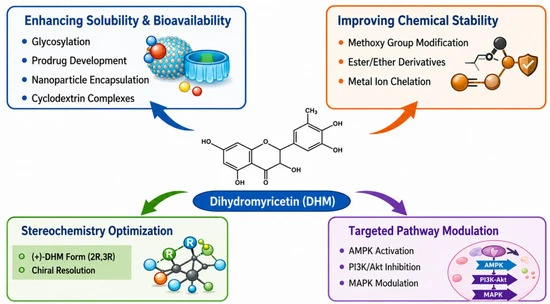
Furthermore, the scientific community is actively exploring DHM's potential for anti-inflammatory and neuroprotective effects; however, these areas remain largely in the preclinical research stage and have not yet evolved into established, routine applications. It is important to note that in China, DHM is currently regulated primarily as an ingredient for dietary supplements rather than as a therapeutic drug; therefore, its use should adhere to appropriate dosages and standardized guidelines.
Is DHM Good for liver?
Existing scientific research indicates that dihydromyricetin (DHM) offers multifaceted protective benefits for the liver, particularly against damage caused by alcohol, poor diet, or chemical substances. Numerous preclinical studies have confirmed that DHM exerts its hepatoprotective effects primarily through several mechanisms: first, it possesses significant antioxidant capacity, enabling it to scavenge harmful reactive oxygen species (ROS) generated during hepatic metabolism and boost the activity of endogenous antioxidant enzymes, thereby mitigating oxidative stress-induced damage to hepatocytes.
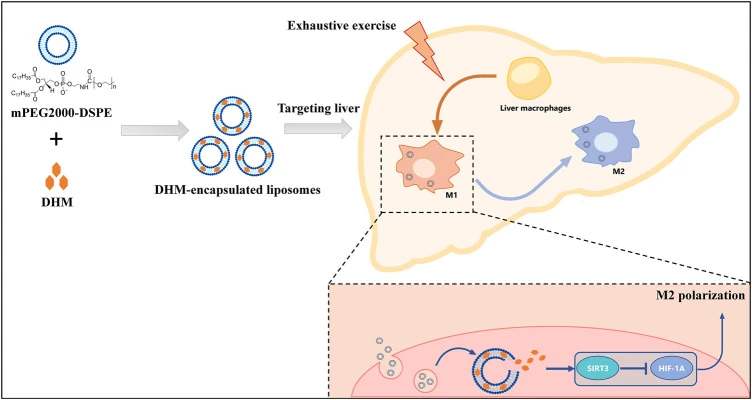
DHM inhibits hepatic inflammatory responses-studies show it lowers levels of pro-inflammatory cytokines and may alleviate liver inflammation by suppressing pathways such as the NLRP3 inflammasome; and third, DHM demonstrates the potential to improve hepatic lipid metabolism, helping to reduce the abnormal accumulation of lipids (such as triglycerides) in the liver and offering a protective effect against non-alcoholic fatty liver disease.
Is DHM safe to take daily?
Regarding the safety of daily Dihydromyricetin (DHM) intake, existing research suggests no evidence that daily consumption at standard dosages poses serious health risks to healthy individuals; however, its safety still requires careful assessment based on specific circumstances. From a toxicological perspective, animal studies indicate very low toxicity, with a maximum tolerated oral dose of 5.0 g/kg in rats. In human studies, a 12-month clinical trial showed that subjects taking 300 mg of DHM daily reported no serious adverse events and experienced improvements in liver-related markers; review articles also note that DHM is generally well-tolerated in clinical trials, with no reported cases of significant liver injury attributed to the substance. Nevertheless, this does not imply that it can be consumed long-term without restriction.
What are DHM side effects?
Regarding the side effects of dihydromyricetin, existing scientific evidence indicates that it generally demonstrates a favorable safety and tolerability profile under standard use; there is currently no sufficient evidence to suggest it causes distinct or severe adverse effects. A study published in Food Science indicates that DHM has very low toxicity, with a maximum tolerated oral gavage dose of 5.0 g/kg in rats. In its updated monograph, the NIH (National Institutes of Health) explicitly notes that there is virtually no evidence linking DHM to clinically apparent liver injury at typical oral doses, assigning it a liver injury likelihood score of "Category E" (unlikely); furthermore, no DHM-related cases were identified among 778 reports of adverse reactions to herbal products in the Swedish national registry.
Where to buy DHM Powder?
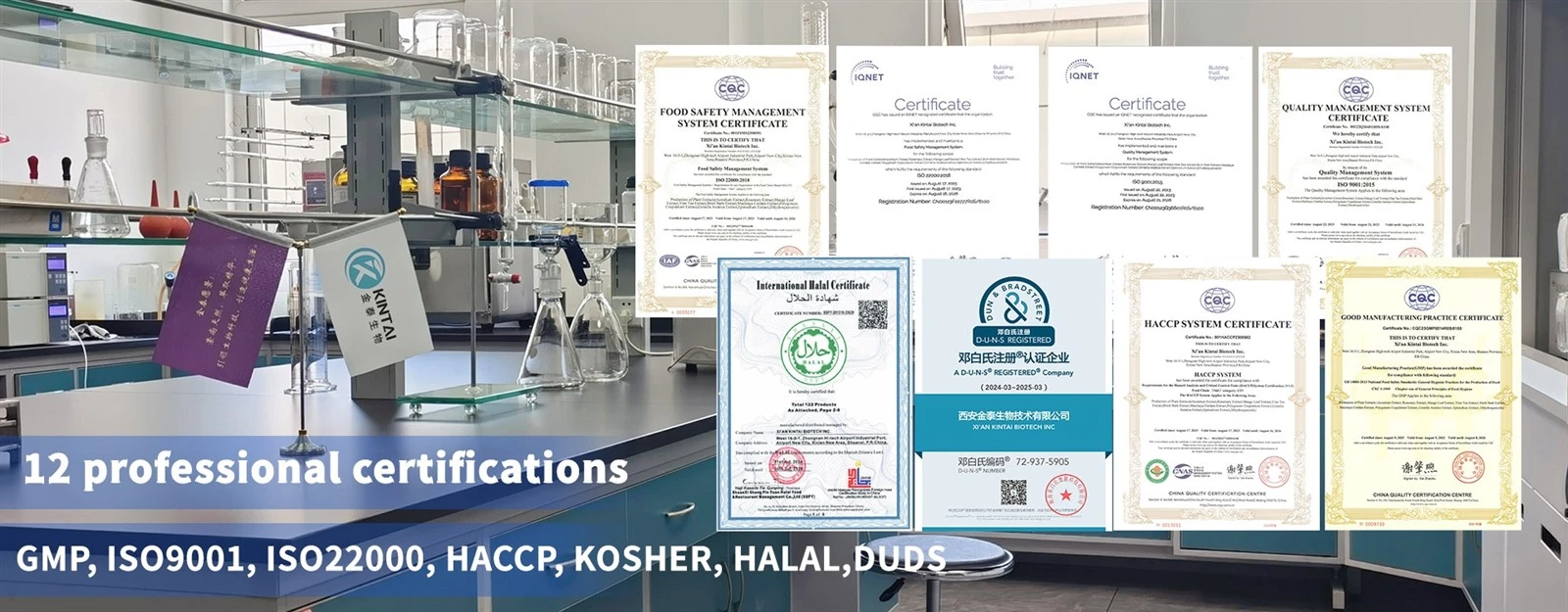
If you are seeking high-quality DHM (Dihydromyricetin) powder, we offer a premium product with >98% purity, derived from Ampelopsis grossedentata (vine tea) and verified via HPLC to ensure batch-to-batch consistency. Our product is suitable for applications in dietary supplements, functional beverages, and cosmetics. We offer direct-from-manufacturer sales, hold multiple international certifications (including GMP, ISO, and HACCP), and support orders starting from 1 kg as well as customized packaging. We maintain ample stock, offer free samples, and ensure rapid shipping.Contact us at info@kintaibio.com.
FAQ
Q: 1.What is Dihydromyricetin powder used for?
A: Dihydromyricetin powder can be used as an active ingredient in dietary supplements, functional beverages, nutraceutical products, and other health-related formulations. It is available in different specifications depending on the application.
Q: 2. What is the recommended purity of Dihydromyricetin for supplements?
A: The appropriate purity of Dihydromyricetin depends on the intended application and formulation requirements. High-purity Dihydromyricetin, such as 98% or higher, is commonly preferred for standardized dietary supplement formulations.
Q: 3. How should Dihydromyricetin be stored?
A: Dihydromyricetin should generally be stored in a cool, dry place away from direct sunlight, heat, and moisture. The product should be kept in a tightly sealed container to help maintain its quality and stability.