

If you're following the latest trends in the pet functional food market, you've likely noticed a rapidly gaining popularity in the European and American veterinary community and among pet brands: Palmitoylethanolamide (PEA). This lipid signaling molecule, naturally found in soybeans, egg yolks, and mammalian bodies, is increasingly being hailed by pet nutrition experts as a revolutionary ingredient for inflammation management. PEA's excellent raw material stability, high dosage form compatibility, and naturally superior palatability make it an ideal choice for pet soft chews, functional treats, oil suspensions, and powder formulations. Healthkintai® is a manufacturer and supplier of palmitoylethanolamide, offering 99% palmitoylethanolamide powder. Contact us at info@kintaibio.com.
What is Palmitoylethanolamide?
Palmitoylethanolamide (PEA) is a naturally occurring fatty amide endogenous signaling molecule, first discovered in foods such as soybean lecithin, egg yolk, and peanut powder. It also naturally exists in various tissues of mammals (including dogs). It is not a vitamin or mineral, but a lipid mediator belonging to the self-protective lipid family. Chemically, it consists of palmitic acid and ethanolamine linked by an amide bond. It has a small molecular weight and excellent lipid solubility and biomembrane penetration.
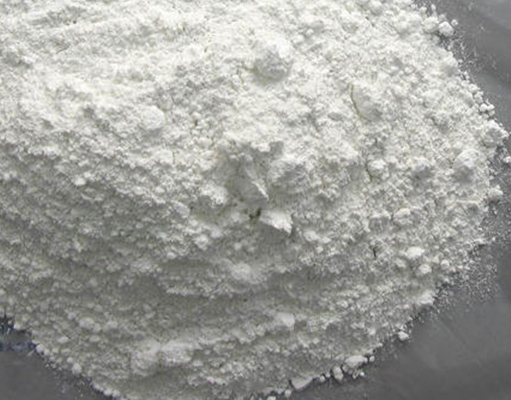
For B2B customers, PEA has a stable source of raw materials. Current mainstream production processes include chemical synthesis and extraction and purification from non-GMO plant oils, achieving a purity of over 99% with good batch-to-batch consistency. Its stability is excellent under dry conditions at room temperature, making it easy to formulate into powders, tablets, soft chewables, oil suspensions, and even pet treat bases. In recent years, PEA has been widely used as a dietary supplement ingredient in the EU, the US, and Japan, and the number of research papers on its use in canine health management has grown exponentially. For brands looking to develop differentiated, functional pet products, PEA is a high-quality raw material choice that combines scientific backing with market recognition.
What does Palmitoylethanolamide do for Dogs?
PEA plays three main physiological roles in dogs: regulating mast cell activity, inhibiting neuroinflammatory signal transduction, and restoring cell membrane stability. Specifically, when dogs experience chronic arthritis, atopic dermatitis, inflammatory bowel disease, or neuropathic pain, mast cells in certain tissues become overactivated, releasing large amounts of pro-inflammatory mediators such as histamine, TNF-α, and IL-6. PEA, by binding to PPAR-α nuclear receptors, triggers downstream anti-inflammatory signaling pathways, significantly reducing the transcriptional levels of these inflammatory factors. Simultaneously, PEA can indirectly act on CB1 and CB2 receptors (cannabinoid receptors) and the TRPV1 channel (capsaicin receptor), producing an analgesic effect similar to endocannabinoids, but without inducing any psychoactive response.
In the nervous system, PEA can inhibit the overactivation of microglia and reduce glutamate excitotoxicity, thus exhibiting a protective effect against canine degenerative spinal cord disease,neuralgia caused by intervertebral disc herniation, and cognitive impairment in older dogs. Furthermore, Palmitoylethanolamide can regulate the inflammatory response of keratinocytes and fibroblasts, improving canine skin barrier function. It is worth noting that it does not work immediately, but rather through a gradual regulatory mechanism. It usually takes 7 to 14 days of continuous use to reach a stable blood concentration in dogs. This means that it is more suitable as a daily nutritional intervention for the long-term management of chronic inflammation than as a quick pain reliever for acute flare-ups.
Is Palmitoylethanolamide Good for Dogs?
Numerous veterinary studies have shown that PEA is not only beneficial for dogs, but in some situations, it is superior to traditional anti-inflammatory drugs. It is only absorbed and utilized in large quantities during periods of high inflammation, and is rapidly metabolized into harmless fatty acid derivatives in healthy tissues. From an efficacy perspective, multiple double-blind, placebo-controlled trials in dogs have confirmed that Palmitoylethanolamide is significantly effective in alleviating lameness, decreased willingness to move, and tenderness to touch caused by degenerative joint disease. From a compliance perspective, PEA itself has almost no bitter taste and a pleasant fatty aroma, making it easily accepted by dogs without the need for taste masking. From a drug interaction perspective, PEA can be used concurrently with NSAIDs, gabapentin, chondroitin, glucosamine, and Omega-3 fatty acids, and clinical data show that combined use often reduces the required dose of NSAIDs (dose-saving effect).

For the vast majority of chronic inflammatory and neurological conditions, the performance of PEA Powder is recognized by the International Veterinary Pain Management Society (IVAPM) as having strong scientific evidence to support it. For B2B clients, developing canine products containing PEA not only means having a scientifically backed functional selling point, but also allows them to enter a rapidly growing niche market that is not yet saturated with competition.
What are palmitoylethanolamide benefits for dogs?
From a B2B product development perspective, the specific benefits PEA brings to dogs can be systematically summarized in several key areas.
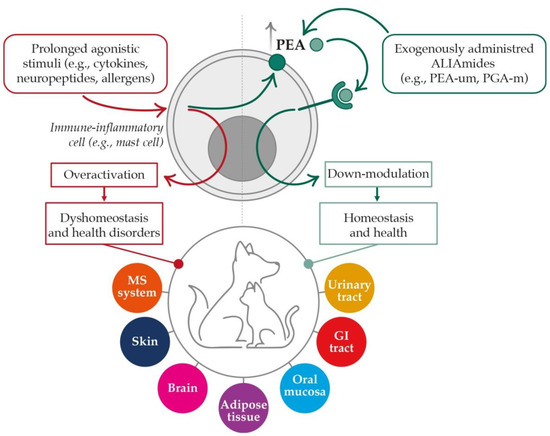
- Skin and Allergy Management: Atopic dermatitis is one of the most common immune-mediated skin diseases in dogs. PEA can reduce mast cell degranulation in the skin and decrease the release of itch-related neuropeptides (such as substance P), thereby reducing scratching and biting behaviors, and synergistically repairs the skin lipid barrier with Omega-3 fatty acids.
- Intestinal Inflammation Regulation: Inflammatory bowel disease (IBD) in dogs manifests as chronic diarrhea, weight loss, and intermittent vomiting. PEA improves the "leaky gut" phenomenon and regulates macrophage polarity in the lamina propria of the intestinal mucosa.
- Neuropathic Pain and Cognitive Support in Older Dogs: Intervertebral disc disease (IVDD), degenerative spinal cord disease, and canine cognitive dysfunction syndrome (CDS) all involve inflammation of the central or peripheral nerves. PEA can reduce neuropathic pain and improve learning and memory in older dogs.
- Postoperative Rehabilitation and Daily Stress Support: After spaying/neutering, orthopedic surgery, or dental surgery, it can be used as part of multimodal pain management, reducing opioid dosage and side effects such as nausea.
- Joint and Bone Health: Hip dysplasia, elbow dysplasia, and osteoarthritis are common in older and large dogs. it can slow down the rate of joint structural damage and improve pain experienced by dogs when getting up, climbing stairs, and jumping.
How does palmitoylethanolamide Uses in Dogs Products?
The most mainstream form is oral solid dosage forms, including: Micronized or ultramicronized PEA powder directly filled into capsules or strips. Micronization (particle size <10 micrometers) can increase bioavailability by 3-5 times because it's intestinal absorption is limited by its dissolution rate; tablets, which typically require the addition of common excipients such as microcrystalline cellulose and magnesium stearate, and maintaining an ambient humidity below 45% to prevent clumping; and soft chews, currently the most accepted dosage form among pet owners. PEA is pre-dissolved in MCT oil or coconut oil, then mixed with starch, glycerin, and natural flavorings (such as chicken or liver flavor) to form the tablets. It's important to note that the long-term stability of PEA in an oil-based matrix needs to be verified through accelerated testing.
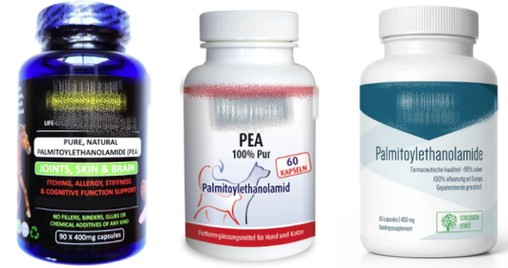
The second uses form is an oil-based suspension or emulsion, where it is suspended at a ratio of 5%-10% in medium-chain triglycerides (MCTs) or olive oil, packaged in a dropper bottle for easy dosage adjustment by dog owners based on their dog's weight. This formulation offers the advantage of rapid absorption and eliminates the need for swallowing tablets, making it suitable for senior dogs or dogs with oral discomfort.
The third type is functional pet treats, such as meat strips, chews, or biscuits, which are sprayed or mixed with PEA powder. However, it's important to note that the high temperatures (>120°C) during treat processing may degrade PEA; therefore, a post-spraying process is recommended. The fourth type is a topical transdermal formulation. Although fewer products are currently available, studies have shown that PEA can be dissolved in propylene glycol or glyceryl laurate to form a gel. This gel can be applied to the inner ear or hairless abdominal skin of dogs, entering the systemic circulation via a follicular bypass route, making it suitable for individuals with oral intolerance or digestive malabsorption.
is palmitoylethanolamide safe for dogs?
First, regarding acute toxicity, even if a 10kg dog accidentally ingests a whole 50g bottle of PEA (equivalent to 5000mg/kg), a severe toxic reaction is unlikely; at most, it might exhibit transient soft stools or lethargy. Second, regarding long-term toxicity, a 90-day canine subchronic toxicity study, with daily doses up to 250mg/kg, did not observe any changes in indicators or histopathological changes in major organs. Third, regarding reproductive and developmental toxicity, studies have shown that PEA does not affect canine estrous cycles, sperm quality, conception rates, fetal survival rates, or the growth and development of lactating puppies. Fourth, regarding genotoxicity and carcinogenicity, its metabolic pathway does not produce any known genotoxic intermediates.

palmitoylethanolamide dog dosage
Accurate dosage design is a crucial technical aspect for canine PEA products to achieve their intended efficacy. Based on current international veterinary consensus and clinical research data, the recommended dosage range for dogs is 10-40 mg/kg body weight per day (mg/kg/day). Specific dosages need to be stratified based on indications, disease severity, individual canine differences, and whether combination therapy is used. For routine health maintenance or mild joint discomfort, a lower dosage range of 10-15 mg/kg/day can be used; for example, a 10kg dog could ingest 100-150 mg daily. Furthermore, dosage design must also consider the particle size and morphology of the Palmitoylethanolamide raw material: ordinary coarse PEA powder has low bioavailability, and the nominal dose may need to be increased by 30-50% to achieve the same peak blood concentration as micronized PEA.
Where to buy the best Palmitoylethanolamide Powder for Dogs?
Among numerous PEA raw material suppliers, Healthkintai® stands out as your most trusted partner thanks to its deep understanding of the pet industry. Firstly, the PEA powder we provide maintains a stable purity of over 99%, with each batch undergoing HPLC testing and accompanied by a third-party certified COA report, ensuring that free palmitic acid, ethanolamine residues, and heavy metal levels are far below EU pet food safety limits. Secondly, we understand the supply chain stability requirements of B2B clients. We have a production line with an annual capacity of 300 tons, supporting flexible delivery from 1kg samples to ton-level orders, and providing customized particle sizes, premixed carriers (such as blends with MCT oil or yeast extract), and compliance documentation packages (including GMP certificates, allergen-free declarations, etc.). For wholesale Palmitoylethanolamide Powder, contact us at info@kintaibio.com.
FAQ
Q: What is Palmitoylethanolamide (PEA) for dogs and how does it work?
A: Palmitoylethanolamide (PEA) is a naturally occurring fatty acid amide widely used in dog supplements for its anti-inflammatory and neuroprotective benefits. As a functional pet supplement ingredient, PEA helps support joint health, manage discomfort, and promote overall canine wellness. This makes PEA for dogs a popular choice in advanced pet nutraceutical formulations.
Q: What is the purity and quality of your bulk PEA powder?
A: Our Palmitoylethanolamide powder is manufactured to high-quality standards with a typical purity of ≥99%. As a reliable PEA raw material manufacturer.
Q: Do you provide micronized PEA and custom solutions for pet supplement brands?
A: Yes, we specialize in micronized Palmitoylethanolamide (PEA) and offer tailored solutions for B2B clients.
Q: Is your Palmitoylethanolamide suitable for export and global markets?
A: Our Palmitoylethanolamide powder for dogs complies with international quality and safety standards, making it suitable for export to key markets such as North America, Europe, and Asia. We provide complete documentation.