

As consumer demand for pet health products continues to evolve toward premiumization, natural and functional ingredients are emerging as a key differentiator for brands. Rich in catechins and polyphenols, green tea extract offers unique benefits, ranging from antioxidant properties and oral care to metabolic support and immune modulation, and is increasingly being incorporated into the formulations of pet foods and supplements. For B2B stakeholders, including ingredient suppliers, contract manufacturers, and brands, scientifically evaluating the application potential, dosage safety, and regulatory compliance of green tea extract in canine products has become a crucial step in securing a competitive edge in this specialized market segment. This article analyzes the subject through the lenses of market trends, functional mechanisms, and commercial implementation, offering industry partners a guide that is both forward-looking and practical. Contact us at info@kintaibio.com.
What is green tea extract?
Green tea extract is a standardized botanical ingredient derived from the leaves of Camellia sinensis through processes of solvent extraction, concentration, and purification. Its core active constituents are catechin-type polyphenols, with epigallocatechin gallate (EGCG) being the most critical; product specifications are typically defined based on EGCG or total polyphenol content. Depending on the extraction process and purity, the product appears as a powder and is available in decaffeinated or caffeinated forms, standardized to specific EGCG levels (e.g., 50%, 80%, or 98%). In canine products, green tea extract serves as a functional ingredient; due to the antioxidant, anti-inflammatory, and oral pathogen-inhibiting properties of its catechins, it is incorporated into dog food, dietary supplements, and oral and skin care products.
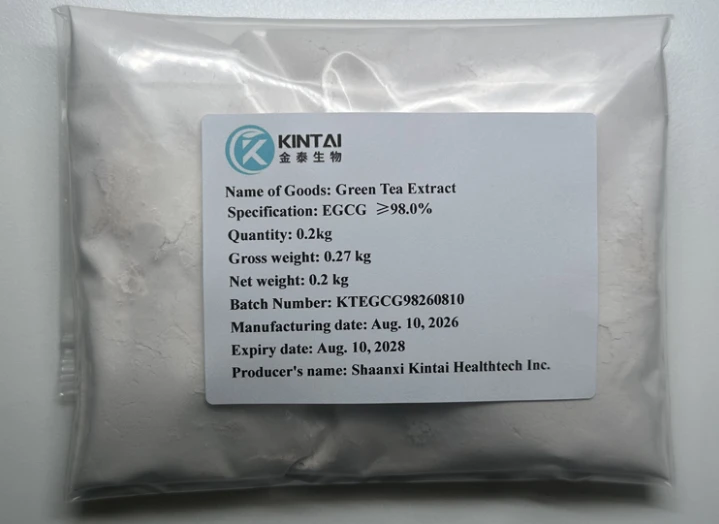
can dogs have green tea extract?
It is permissible, but a strict distinction must be made between administration after a meal and administration on an empty stomach, and the dosage is subject to strict upper limits set by Health Canada. Dogs are sensitive to the caffeine found in green tea extract; a dose of 100 to 200 mg of caffeine per kilogram of body weight can be lethal, and even a single cup of green tea can cause toxicity in small dogs. However, when administered after a meal, the toxicity of the same dosage is significantly reduced, or adverse reactions may not be observed at all.
While Health Canada permits the inclusion of green tea extract in canine health supplements, it has established a maximum daily limit of 16.8 mg of total catechins per kilogram of body weight. Therefore, the safety of green tea extract for dogs depends entirely on dosage, purity, whether it is given on an empty stomach, and the dog's health status; it is by no means a simple matter of a yes or no answer.

Is green tea good for dogs?
Yes, green tea offers potential benefits for dogs, particularly regarding antioxidant support, liver protection, and weight management. Research indicates that supplementing canine diets with 1.0% green tea powder or 0.25% green tea polyphenols significantly reduces serum alanine aminotransferase (ALT) and aspartate aminotransferase (AST) activities, boosts levels of superoxide dismutase (SOD) and glutathione peroxidase (GSH-Px), upregulates the expression of hepatic antioxidant and Phase II detoxification enzyme genes, and effectively controls weight gain. Furthermore, green tea catechins exhibit significant bactericidal activity against periodontal pathogens; feeding wet food containing 0.01892% catechins for one month has been shown to markedly improve bad breath and inhibit the activity of periodontal disease-causing bacteria.
Is green tea good for dogs teeth?
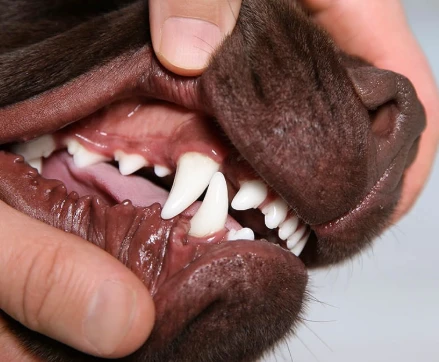
Yes, green tea offers supplementary benefits for canine dental health, primarily through the direct inhibition of periodontal pathogens by catechins. Catechins found in green tea extract significantly inhibit the growth of periodontal pathogens-such as Porphyromonas gingivalis-in a dog's mouth and reduce the production of odor-causing gases like hydrogen sulfide and methyl mercaptan; this helps alleviate bad breath and slows the formation and accumulation of dental plaque.
Consequently, incorporating appropriate amounts of green tea extract into canine oral care products serves as a useful adjunct to daily dental hygiene. However, it is important to note that this protective effect is mild and supplementary; it cannot replace tooth brushing or professional dental cleaning, and its efficacy against existing tartar and gingivitis is limited. Its primary value lies in daily maintenance and bad breath control.
Is green tea good for dogs skin?
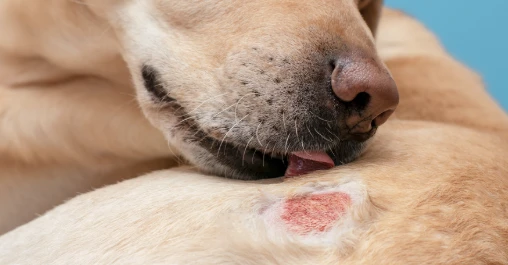
Green tea extract offers potential supportive benefits for canine skin health, primarily through its antioxidant and anti-inflammatory properties and its role in maintaining the skin barrier. The catechins found in green tea-particularly EGCG-effectively scavenge free radicals, mitigate oxidative stress-induced damage to skin cells, and help alleviate skin discomfort by modulating inflammatory responses. Research indicates that EGCG inhibits glutamate release from canine keratinocytes; since excessive glutamate is associated with delayed skin barrier recovery and epidermal thickening, this suggests that green tea components may play a role in preserving barrier function.
Furthermore, topical application of green tea extract has been shown to promote the healing of infected wounds in dogs by accelerating re-epithelialization and inhibiting pathogenic bacteria such as Staphylococcus aureus. In practical applications, hypoallergenic formulas containing green tea extract are used to support the structural integrity of the skin and maintain a balance of histamine levels. Consequently, green tea extract serves as a valuable functional ingredient in canine skincare products, provided it is used in a decaffeinated form and at appropriate dosages.
What is green tea extract for dogs dosage?
There is no standardized dosage for green tea extract in dogs; the amount must be precisely calculated based on the dog's body weight and the actual EGCG content of the extract. Health Canada sets a daily upper limit of 16.8 mg of total catechins (derived from green tea) per kilogram of body weight for canine health supplements. Academic research suggests a conservative, safe starting point of 40 mg EGCG per kilogram of body weight daily-equivalent to an intake of approximately 800 mg of EGCG for a 20 kg dog. Veterinary literature indicates that the dosage of green tea extract generally should not exceed 50 mg/kg and recommends administering the total amount in three to four divided doses to minimize the risk of toxicity. Therefore, before use, one should verify the product's EGCG content and adhere to the principles of administering the supplement after a meal in divided, low-dose portions.
Where to buy the best green tea good for dogs ?
If you are seeking green tea extract for functional canine products, our green tea extract powder is the ideal choice. Produced from premium green tea using a standardized extraction process, our product offers stable, controllable EGCG levels and high batch-to-batch consistency, enabling precise formulation and ensuring end-product safety. The powder features excellent water solubility and flowability, making it easy to blend uniformly into dog food, supplements, and oral care products; it is suitable for various dosage forms, including tablets, powders, and soft chews. We strictly adhere to regulatory limits-such as Health Canada's requirement that total daily catechin intake for dogs not exceed 16.8 mg/kg of body weight-and provide comprehensive specification documentation and regulatory support. Every batch undergoes third-party testing to ensure controlled caffeine levels and compliance with standards for heavy metals and microbiological parameters. Please contact us to request samples and a Certificate of Analysis (COA). Contact us at info@kintaibio.com.

FAQ
Q: Can green tea extract help with dog bad breath?
A: Yes, green tea extract can help reduce dog bad breath. Its catechins inhibit periodontal bacteria that produce volatile sulfur compounds responsible for odor. However, the effect is supportive and works best as part of a regular oral care routine-it cannot replace brushing or professional dental cleaning.
Q: Is green tea extract anti-inflammatory for dogs?
A: Yes, green tea extract has demonstrated anti-inflammatory properties in dogs. EGCG helps modulate inflammatory responses and reduce oxidative stress, which may benefit dogs with skin irritation or joint discomfort. However, it should be used as a supportive ingredient, not as a replacement for veterinary treatment.
Q: Can green tea extract help dogs lose weight?
A: Green tea extract may support weight management in dogs. Studies show that adding green tea powder or polyphenols to dog diets can help control body weight gain, partly through enhanced fat oxidation and metabolic regulation. It works best alongside proper diet and exercise, not as a standalone solution.
Q: Does green tea extract interact with dog medications?
A: Yes, green tea extract may interact with certain medications in dogs. It can affect drug metabolism by inhibiting cytochrome P450 enzymes, potentially altering the effects of some drugs. Always consult a veterinarian before giving green tea extract to dogs on medication.
Q: Is green tea extract powder better than green tea leaves for dogs?
A: Yes, green tea extract powder is generally better for dogs than loose green tea leaves. The powder offers standardized EGCG content, precise dosing, better stability, and easier mixing into food or supplements. Loose tea leaves contain variable active compound levels and may also carry higher caffeine content.