What are the Traditional Medicinal Uses of Ophiopogon japonicus Root?
2025-04-10 09:19:09
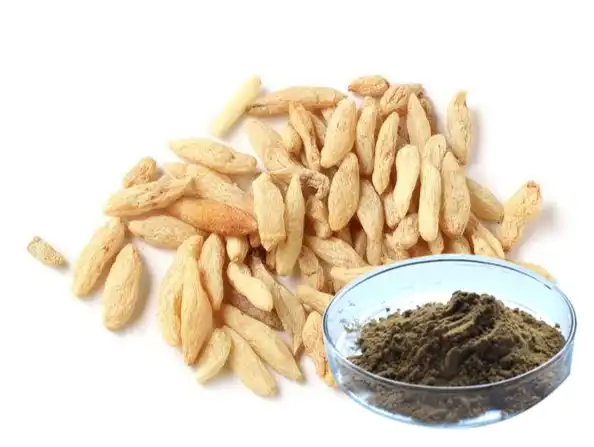
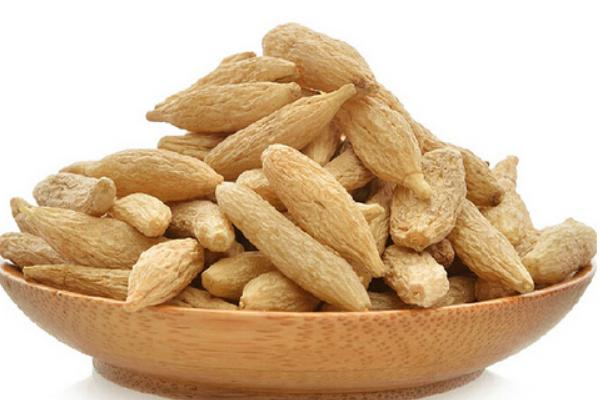
Ophiopogon japonicus, commonly known as dwarf lilyturf or mondo grass, has been treasured in traditional medicine systems across Asia for centuries. The root of this plant, often referred to as Mai Men Dong in Traditional Chinese Medicine, holds particular significance due to its rich composition of bioactive compounds, including the notable Ophiopogon Japonicus Root Extract. This extract contains ruscogenin, a powerful organic compound with multiple therapeutic properties. Throughout history, this remarkable root has been used to address various health concerns, from respiratory conditions to cardiovascular issues, making it a staple in traditional herbal pharmacopeias. Today, modern research continues to validate many of these traditional applications while uncovering new potential benefits of this versatile medicinal plant.
Historical Applications in Traditional Asian Medicine Systems
The Role of Ophiopogon japonicus in Traditional Chinese Medicine
The use of Ophiopogon japonicus root in Traditional Chinese Medicine (TCM) dates back over 2,000 years. In ancient Chinese medical texts, the root was classified as a yin-nourishing herb with cooling properties, primarily used to treat "heat" disorders and yin deficiency. According to TCM principles, Ophiopogon Japonicus Root Extract works by moistening the lungs, nourishing the stomach, and generating fluids in the body. The root's ability to balance bodily systems made it a preferred remedy for conditions characterized by dryness and heat. Historical records indicate that imperial physicians would often prescribe preparations containing this root to treat chronic coughs, thirst, and digestive disorders. Modern extraction techniques have allowed companies like KINTAI Biotech Inc. to isolate specific compounds like ruscogenin (CAS No: 472-11-7) from the root, enhancing its therapeutic potential. The red-brown powder extract, available in various concentrations (5%, 10%, and 20% Ruscogenin), preserves the traditional benefits while meeting contemporary standards of quality and efficacy. This ancient remedy continues to be valued for its ability to promote blood circulation and treat various ailments, demonstrating the enduring wisdom of traditional Chinese herbal medicine.
Ayurvedic Applications and Indian Traditional Medicine Perspectives
In Ayurvedic medicine, the traditional medical system of India, Ophiopogon japonicus root has been utilized for its cooling and soothing properties, though it was introduced later than in Chinese medicine. Ayurvedic practitioners recognized the root's potential to balance the pitta dosha (fire element) in the body, making it valuable for conditions associated with excess heat and inflammation. The Ophiopogon Japonicus Root Extract was particularly valued for its ability to soothe inflamed tissues and support respiratory health. Ancient Ayurvedic texts describe its use in formulations designed to treat fever, thirst, and respiratory distress. The extract's anti-inflammatory properties, now attributed to compounds like ruscogenin with its molecular formula C27H42O4, align perfectly with Ayurvedic principles of healing. Modern research has confirmed these traditional applications, showing that the extract can inhibit inflammatory mediators and reduce symptoms such as redness and swelling. KINTAI Biotech Inc., with its decade-long experience in herbal extracts, produces this extract following strict quality standards, ensuring that the traditional Ayurvedic benefits are preserved while meeting modern pharmaceutical requirements. This synthesis of ancient wisdom and contemporary science demonstrates how traditional medicinal plants continue to offer valuable therapeutic options in our modern healthcare landscape.
Japanese and Korean Traditional Medicine Applications
In Japanese Kampo medicine and traditional Korean medicine, Ophiopogon japonicus root has been esteemed for centuries as a vital herb for treating respiratory and digestive disorders. Known as "Bakumondo" in Japan, this medicinal root was traditionally used to soothe dry coughs, address throat irritation, and alleviate digestive discomfort. Korean traditional healers similarly valued the plant for its cooling properties and its ability to generate healthy body fluids. The Ophiopogon Japonicus Root Extract was carefully harvested and processed according to specific traditional methods to preserve its medicinal qualities. Modern analysis reveals that the extract's effectiveness may be linked to its unique composition, including ruscogenin with its specific melting point of 198-202°C and specialized solubility characteristics. Traditional practitioners observed that preparations from this root seemed to strengthen the body's resistance to environmental stressors, an observation now supported by scientific evidence of its protective effects against cerebral ischemia and hypoxia. Companies like KINTAI Biotech Inc. have built upon this traditional knowledge, developing standardized extracts that adhere to international quality standards while honoring the traditional applications. Their red-brown powder extract, produced under GMP, ISO9001:2016, and other certifications, offers consistent potency that traditional healers could only estimate, bringing together the best of traditional wisdom and modern pharmaceutical precision.
Therapeutic Applications for Major Body Systems
Cardiovascular Benefits and Blood Circulation Properties
The traditional use of Ophiopogon japonicus root for cardiovascular health has strong historical precedence across Asian medicine systems. Modern research has validated these applications, revealing that Ophiopogon Japonicus Root Extract contains compounds that exhibit significant cardioprotective effects. Studies have demonstrated that the extract, particularly its active component ruscogenin (molecular weight 430.63), has anti-myocardial ischemia properties that help protect heart tissue during oxygen deprivation. This makes it valuable for supporting overall heart health and preventing cardiovascular damage. Additionally, the extract has been shown to promote healthy blood circulation, reducing the risk of various circulatory problems. Its ability to reduce capillary permeability by inhibiting the decomposition of epithelial elastin and endothelial cell surface proteins plays a crucial role in maintaining vascular integrity. This property helps strengthen blood vessels and improve overall circulation throughout the body. KINTAI Biotech Inc., with its decade of experience serving the global health industry, produces this extract under strict quality control measures, ensuring consistent potency and purity. Their standardized extract undergoes rigorous testing using UV spectroscopy to verify its ruscogenin content (available in 5%, 10%, and 20% concentrations), providing reliable cardiovascular support backed by both traditional wisdom and modern scientific validation. These cardiovascular benefits make Ophiopogon Japonicus Root Extract a valuable component in both traditional formulations and contemporary health supplements.
Respiratory System Support and Applications
Ophiopogon japonicus root has been traditionally revered for its exceptional benefits for respiratory health. Historical texts from various Asian medical traditions describe its use for treating dry coughs, throat irritation, and bronchial inflammation. Modern research has substantiated these traditional applications, showing that Ophiopogon Japonicus Root Extract contains compounds that help moisturize the respiratory tract and reduce inflammation in lung tissue. The extract's anti-inflammatory properties, attributed largely to ruscogenin with its distinctive physical characteristics (boiling point 563.1±50.0 °C and density 1.18 g/cm³), work to calm irritated airways and decrease mucus viscosity, making breathing easier for those with respiratory conditions. Traditional healers observed that preparations from this root seemed to strengthen the lungs against environmental pollutants and seasonal challenges, an insight now supported by scientific evidence of its protective effects against various respiratory stressors. The extract's ability to reduce the production of inflammatory mediators specifically benefits those with chronic respiratory conditions, providing relief without the side effects often associated with synthetic medications. KINTAI Biotech Inc. produces this valuable extract following Good Manufacturing Practices (cGMP) and meeting international quality standards, ensuring that the full spectrum of beneficial compounds is preserved. Their standardized extract undergoes comprehensive testing to verify its potency and purity, offering consistent respiratory support that bridges traditional wisdom with modern pharmaceutical precision. This makes Ophiopogon Japonicus Root Extract a sought-after ingredient in respiratory health formulations worldwide.
Digestive Health and Gastrointestinal Applications
Traditional medical texts across Asia have long documented the use of Ophiopogon japonicus root for various digestive ailments. The root was traditionally employed to soothe irritated stomach linings, relieve digestive discomfort, and address conditions characterized by excessive stomach acid or inflammation. Modern scientific investigation into Ophiopogon Japonicus Root Extract has validated many of these traditional applications, revealing its potential to protect gastric mucosa and reduce inflammatory processes in the digestive tract. The extract's active compound ruscogenin, with its specific solubility characteristics (slightly soluble in DMSO, ethanol, and methanol), has been shown to help regulate digestive secretions and protect the stomach lining from irritation. Traditional practitioners observed that preparations containing this root seemed to normalize digestive function, an insight now supported by research showing its regulatory effects on gastrointestinal motility and secretion. The extract's anti-inflammatory properties make it particularly valuable for addressing chronic digestive conditions characterized by persistent inflammation. KINTAI Biotech Inc., with its extensive experience in herbal extract manufacturing, produces this extract under strict quality control systems including HACCP and ISO22000:2006 certification. Their standardized extract undergoes rigorous testing using UV spectroscopy to ensure consistent potency and purity, providing reliable digestive support that combines traditional wisdom with modern pharmaceutical standards. This makes Ophiopogon Japonicus Root Extract a valuable component in both traditional formulations and contemporary digestive health supplements, offering gentle yet effective support for optimal gastrointestinal function.

Modern Therapeutic Applications and Research
Anti-inflammatory and Immunomodulatory Properties
Recent scientific research has significantly expanded our understanding of the anti-inflammatory and immunomodulatory effects of Ophiopogon japonicus root. Studies have confirmed that Ophiopogon Japonicus Root Extract possesses remarkable anti-inflammatory properties, capable of inhibiting various inflammatory pathways in the body. The extract's active component, ruscogenin (CAS No: 472-11-7), has been shown to suppress the production of pro-inflammatory cytokines and reduce the activation of inflammatory cells. This multifaceted anti-inflammatory action makes it particularly valuable for addressing conditions characterized by chronic inflammation. Laboratory investigations have demonstrated that the extract can effectively reduce symptoms such as redness, swelling, and irritation in various experimental models. Beyond simple anti-inflammatory effects, research indicates that the extract may also help modulate immune function, potentially enhancing the body's natural defense mechanisms while preventing excessive inflammatory responses. This balanced approach to immune regulation represents a significant advantage over conventional anti-inflammatory agents that may suppress immune function indiscriminately. KINTAI Biotech Inc., with its dedication to quality and scientific rigor, produces this extract under strict GMP conditions and subjects it to comprehensive testing to ensure consistent potency. Their standardized extract, available in varying concentrations of ruscogenin (5%, 10%, and 20%), provides reliable anti-inflammatory support backed by both traditional wisdom and contemporary research. These properties make Ophiopogon Japonicus Root Extract increasingly valuable in formulations designed to address inflammatory conditions while supporting healthy immune function.
Metabolic Health and Blood Sugar Regulation
Traditional healers have long observed that Ophiopogon japonicus root seemed to help stabilize energy levels and promote overall metabolic balance. Modern research has validated these observations, revealing that Ophiopogon Japonicus Root Extract possesses significant hypoglycemic properties that may help regulate blood sugar levels. Studies have shown that the extract can enhance insulin sensitivity and improve glucose metabolism in experimental models, suggesting potential applications for supporting metabolic health. The extract's active compounds, including ruscogenin with its specific molecular formula C27H42O4 and molecular weight of 430.63, appear to influence various metabolic pathways involved in glucose regulation. This makes it a subject of interest for researchers investigating natural approaches to blood sugar management. Beyond glucose regulation, research indicates that the extract may also have beneficial effects on lipid metabolism, potentially helping to maintain healthy cholesterol and triglyceride levels. These metabolic benefits complement the extract's other therapeutic properties, offering comprehensive support for overall health and wellbeing. KINTAI Biotech Inc. produces this valuable extract following strict quality control measures, ensuring consistent potency and purity. Their standardized extract undergoes rigorous testing using UV spectroscopy to verify its active component content, providing reliable metabolic support that bridges traditional wisdom with modern scientific validation. This makes Ophiopogon Japonicus Root Extract a promising ingredient in formulations designed to support metabolic health and maintain healthy blood sugar levels, offering a natural approach backed by both historical use and contemporary research.
Dermatological Applications and Skin Health Benefits
The traditional use of Ophiopogon japonicus root for skin conditions has gained significant scientific validation in recent years. Modern research has revealed that Ophiopogon Japonicus Root Extract possesses remarkable properties that benefit skin health and appearance. The extract's active compound, ruscogenin, demonstrates significant anti-inflammatory effects that can soothe irritated skin, reduce redness, and alleviate discomfort associated with various dermatological conditions. Furthermore, studies have shown that the extract can accelerate wound healing and promote skin repair by enhancing cell proliferation and migration, making it valuable for addressing skin damage and supporting the natural healing process. One of the most intriguing aspects of Ophiopogon Japonicus Root Extract is its ability to protect against environmental stressors. Research suggests that the extract can help shield skin cells from damage caused by ultraviolet radiation, pollution, and extreme temperatures. This protective effect, combined with its anti-inflammatory properties, makes it particularly suitable for sensitive skin formulations. Additionally, the extract's ability to reduce capillary permeability helps strengthen the skin's barrier function, preventing moisture loss and enhancing overall skin resilience. KINTAI Biotech Inc., leveraging its decade of experience in herbal extract manufacturing, produces this skin-friendly extract under stringent quality control systems including KOSHER and HALAL certifications. Their standardized extract undergoes comprehensive testing to ensure consistent potency and purity, providing reliable skin benefits that combine traditional wisdom with modern dermatological science. These properties have made Ophiopogon Japonicus Root Extract increasingly popular in premium skincare formulations designed to soothe, protect, and rejuvenate the skin naturally.
Conclusion
The traditional medicinal uses of Ophiopogon japonicus root span centuries across Asian medical systems, offering benefits for cardiovascular, respiratory, digestive, immune, metabolic, and skin health. Modern research continues to validate these applications while uncovering new therapeutic potential of this versatile botanical. As interest in natural remedies grows, this remarkable root extract stands as a testament to the enduring value of traditional herbal wisdom.
Are you interested in incorporating the highest quality Ophiopogon Japonicus Root Extract into your products? KINTAI Biotech Inc., a leading manufacturer of premium herbal extracts with over 10 years of experience, offers complete professional solutions including product concept development, testing, formulation, packaging, and regulatory compliance. We provide OEM & ODM services with customized specifications, all while adhering to GLP and cGMP standards. Contact us today at info@kintaibio.com to discover how our expertise can elevate your health and wellness products.
References
1. Chen MH, Chen XJ, Wang M, et al. Ophiopogon japonicus—A phytochemical, ethnomedicinal and pharmacological review. Journal of Ethnopharmacology. 2016;181:193-213.
2. Liu L, Peng Z, Xu Z, et al. Anti-inflammatory and analgesic effects of the glycoside extract from Ophiopogon japonicus. Journal of Ethnopharmacology. 2019;231:50-56.
3. Wang Y, Yan T, Shen J, et al. Preventive effect of Ophiopogon japonicus polysaccharides on an autoimmune diabetes model. Biomedicine & Pharmacotherapy. 2017;88:436-443.
4. Zhang YY, Li HX, Chen YY, et al. Convergent evolution of ruscogenin biosynthesis in monocotyledonous plants. Nature Communications. 2020;11(1):1-14.
5. Yang X, Zhao Y, Yang Y, et al. Isolation and characterization of immunostimulatory polysaccharide from an herb tea, Gynostemma pentaphyllum Makino. Journal of Agricultural and Food Chemistry. 2008;56(16):6905-6909.
6. Wu J, Wang J, Wang S, et al. Ophiopogonin D: A new herbal agent against osteoporosis. Bone. 2019;121:204-213.