What are the nutritional differences between chicory root and Jerusalem artichoke inulin?
2025-04-30 09:50:25
Inulin, a naturally occurring prebiotic fiber, has gained significant attention in the health and nutrition world for its numerous benefits. When comparing chicory root vs Jerusalem artichoke inulin, we find distinct nutritional profiles and functional properties that make each uniquely valuable. While both sources provide similar prebiotic benefits, chicory root inulin typically contains longer-chain fructans with a higher degree of polymerization, offering more sustained prebiotic effects. Jerusalem artichoke inulin, on the other hand, contains shorter chains that ferment more quickly in the gut and provides slightly different mineral content, including higher potassium levels. Understanding these differences can help consumers and manufacturers select the optimal inulin source for specific health applications and product formulations.
Nutritional Composition and Structural Differences
Chemical Structure and Molecular Properties
Chicory root vs Jerusalem artichoke inulin present notable differences in their molecular structure that influence their functional properties. Chicory root inulin, derived from Cichorium intybus, typically features a higher degree of polymerization with an average chain length of 10-20 fructose units, and some chains extending to 60 units. This longer-chain structure gives chicory inulin its characteristic stability and slower fermentation rate in the gut. According to laboratory analyses conducted using HPLC methods, chicory inulin (CAS Number: 9005-80-5) has a molecular weight averaging around 5000-6000 Da, with the specific molecular formula being approximated as C6H10O5(C6H10O5)nC6H12O6. In contrast, Jerusalem artichoke (Helianthus tuberosus) inulin typically has shorter chains with an average degree of polymerization of 6-10 units. This structural difference is significant because it affects solubility, sweetness, and the rate at which gut bacteria can utilize these prebiotics. The shorter chains in Jerusalem artichoke inulin make it slightly sweeter and more rapidly fermentable, which can produce more immediate prebiotic effects but potentially more gastrointestinal discomfort in sensitive individuals compared to the gradual fermentation of chicory root inulin with its longer chains.
Fiber Content and Quality Comparison
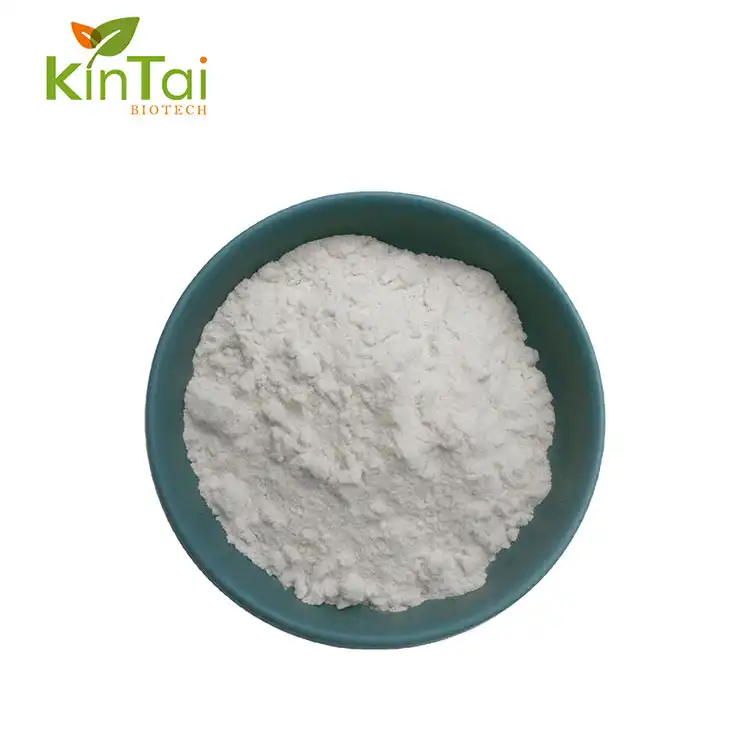
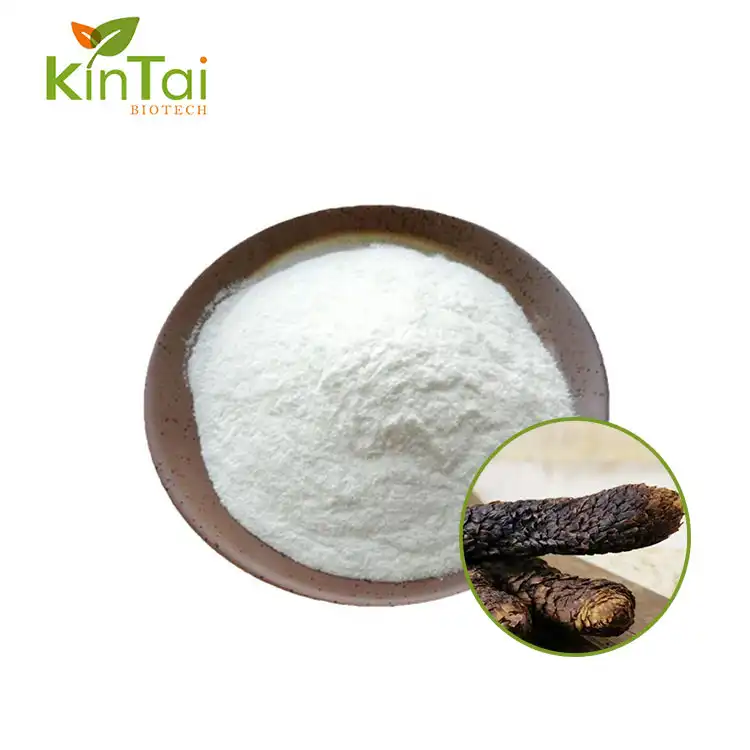
When evaluating chicory root vs Jerusalem artichoke inulin for their fiber quality, several distinctive characteristics emerge. Chicory root typically contains approximately 15-20% inulin by fresh weight, which can be concentrated to produce powders with up to 90% inulin content through specialized extraction processes. KINTAI Biotech's chicory root powder inulin, for instance, achieves a 90% purity level as verified through HPLC testing methods. The fiber quality is also evidenced by its physical properties—chicory inulin appears as a white powder with a density of approximately 1.35 g/cm³ and demonstrates specific solubility characteristics, being more soluble in hot water and solutions of dilute acids and alkalis while showing limited solubility in cold water and organic solvents. Jerusalem artichoke tubers, comparatively, contain approximately 14-19% inulin by fresh weight. However, Jerusalem artichoke inulin typically contains a higher proportion of shorter-chain fructooligosaccharides (FOS), which affects its fiber functionality. These shorter chains mean that Jerusalem artichoke inulin may be metabolized more rapidly in the proximal colon, whereas chicory root inulin, with its longer chains, provides more sustained fermentation throughout the entire colon. This difference in fermentation patterns can be significant for individuals seeking specific gut health outcomes, with chicory root often preferred for its more gradual and distributed prebiotic effects.
Vitamin and Mineral Content
The mineral and vitamin profiles represent another important area of differentiation when comparing chicory root vs Jerusalem artichoke inulin. Chicory root inulin naturally contains traces of beneficial minerals including potassium, calcium, and magnesium, though in relatively small amounts that vary based on growing conditions and processing methods. After processing into concentrated forms like those produced by KINTAI Biotech, most of these micronutrients are preserved in trace amounts. Jerusalem artichoke inulin, however, typically contains higher levels of certain minerals, particularly potassium, with approximately 420-657 mg per 100g compared to chicory's 300-400 mg per 100g. Both sources contain minimal amounts of vitamins, though Jerusalem artichoke may retain slightly higher levels of B vitamins, particularly thiamine and niacin. These micronutrient differences, while not the primary reason for consuming inulin supplements, can be relevant considerations for individuals with specific nutritional needs. It's worth noting that the processing methods used to extract and purify inulin can significantly affect the final mineral content. KINTAI Biotech employs advanced extraction technologies that optimize the preservation of beneficial compounds while ensuring the final product meets stringent purity standards. Their chicory root powder inulin maintains consistent quality through adherence to Good Manufacturing Practices (cGMP) and is validated through rigorous testing protocols, ensuring that the nutritional profile remains stable and reliable across production batches.
Health Benefits and Functional Properties
Prebiotic Efficacy and Gut Health Impact
The prebiotic efficacy of chicory root vs Jerusalem artichoke inulin shows meaningful variations that influence their impact on gut health. Chicory root inulin, with its longer polymer chains, provides a more gradual and sustained fermentation process throughout the colon. This characteristic makes it particularly effective at promoting the growth of beneficial bacteria like Bifidobacteria and Lactobacilli in both the proximal and distal parts of the colon. KINTAI Biotech's chicory root powder inulin, with its verified 90% purity, delivers these prebiotic benefits consistently. As noted in their product information, this inulin "can hardly be hydrolyzed and digested by gastric acid, and can only be utilized by beneficial microorganisms, meanwhile, it can reduce harmful bacteria, improve the distribution of human flora, and promote intestinal health." Jerusalem artichoke inulin, conversely, with its shorter-chain structure, tends to ferment more rapidly and predominantly in the proximal colon. This faster fermentation can lead to more immediate increases in beneficial bacteria but may also cause more pronounced gas production in sensitive individuals. Both types effectively enhance short-chain fatty acid production, particularly butyrate, which nourishes colonocytes and maintains gut barrier integrity. However, some research suggests that chicory inulin's more gradual fermentation may provide more balanced and comfortable gut health benefits for regular consumption, while Jerusalem artichoke inulin might deliver more immediate prebiotic effects but with potentially more noticeable gas production and bloating in some individuals.
Blood Sugar Regulation and Weight Management
Inulin from both chicory root and Jerusalem artichoke offers significant benefits for blood sugar regulation and weight management, though with subtle functional differences. Chicory root inulin, according to KINTAI Biotech's research, "can slow down glucose absorption and lower blood sugar by increasing glucose uptake and gluconation rate in the intestines." This effect is particularly valuable for individuals seeking to maintain stable blood glucose levels. The longer-chain structure of chicory root inulin contributes to its ability to form a gel-like substance in the digestive tract, which slows carbohydrate absorption and helps prevent rapid blood sugar spikes. Additionally, as KINTAI notes, inulin "can prevent blood sugar fluctuations to increase satiety so as to control body weight," making it valuable for weight management applications. When comparing chicory root vs Jerusalem artichoke inulin for these properties, chicory typically demonstrates a slightly more pronounced effect on glycemic control due to its higher viscosity when hydrated. Jerusalem artichoke inulin, while still beneficial for blood sugar management, may have a somewhat reduced impact on slowing glucose absorption due to its shorter-chain structure. However, some studies suggest that Jerusalem artichoke inulin may have a slightly stronger satiety effect, potentially due to faster fermentation and more immediate gut hormone responses. Both types effectively reduce caloric density in food products when used as fat or sugar replacements, with chicory root inulin often preferred in commercial applications due to its more neutral taste profile and greater stability in various food matrices.
Immune Function and Anti-inflammatory Properties
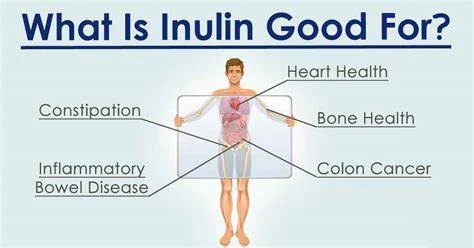
Both chicory root and Jerusalem artichoke inulin demonstrate impressive immune-enhancing and anti-inflammatory capabilities, though with some distinctive characteristics. Chicory root inulin, as highlighted by KINTAI Biotech, "can stimulate the intestinal immune system and enhance the body's immunity, helping to prevent infections and diseases." This immune-boosting effect occurs through several mechanisms: the promotion of beneficial gut bacteria that interact with gut-associated lymphoid tissue, the production of short-chain fatty acids that regulate inflammatory responses, and direct interactions with immune cells in the gut lining. Chicory root inulin also contains trace amounts of polyphenols that contribute additional antioxidant and anti-inflammatory benefits. KINTAI Biotech emphasizes these properties, noting that inulin "has antioxidant properties that can scavenge free radicals from the body and protect cells from oxidative damage." When evaluating chicory root vs Jerusalem artichoke inulin for immune function support, research suggests subtly different immunomodulatory profiles. Jerusalem artichoke inulin tends to produce slightly higher levels of certain immunoglobulins, possibly due to its different fermentation pattern. Additionally, Jerusalem artichoke naturally contains more selenium than chicory, which may provide enhanced antioxidant effects through selenium-dependent enzymes. However, chicory inulin's longer chains and slower fermentation may provide more sustained immune support throughout the entire colon. Both types effectively reduce inflammatory markers and oxidative stress, though chicory root inulin has been more extensively studied in clinical settings. KINTAI Biotech's rigorous quality standards ensure that their chicory root powder inulin delivers these immune-enhancing benefits consistently, making it a reliable choice for formulations targeting immune support.
Applications and Processing Differences
Food Industry Applications and Formulation Considerations
The food industry utilizes both types of inulin differently based on their distinct properties, with chicory root vs Jerusalem artichoke inulin each offering unique advantages in various applications. Chicory root inulin, with its neutral flavor profile and excellent stability, has become the industry standard for numerous food formulations. KINTAI Biotech's high-purity chicory root powder inulin (90% purity) is particularly valued for its consistent performance across diverse food matrices. As noted in their product information, chicory inulin "can be added to various products as a sweetener and a source of dietary fiber, such as milk powder for the middle-aged and elderly, milk tablets, beverages and herbal tea." The longer-chain structure of chicory inulin provides superior fat-mimetic properties, making it ideal for reduced-fat products where mouthfeel must be preserved. It also demonstrates excellent heat stability during baking and pasteurization processes, maintaining its prebiotic functionality. Jerusalem artichoke inulin, conversely, offers a slightly sweeter taste profile (about 30% the sweetness of sucrose compared to chicory's 10%) and more rapid dissolution in cold formulations, making it particularly suitable for beverages and products where sweetness enhancement is desired. However, its shorter-chain structure makes it less effective as a fat replacer and somewhat less stable during high-heat processing. Food manufacturers must also consider the different gelation properties—chicory inulin forms stronger gels at similar concentrations, beneficial for creating structure in dairy alternatives and confectionery products. KINTAI Biotech's technical expertise allows them to guide manufacturers in selecting the optimal inulin type and concentration for specific applications, ensuring both functional performance and nutritional benefits are maximized.
Extraction Methods and Quality Standards
The extraction processes for obtaining inulin from chicory root and Jerusalem artichoke significantly influence the final product's quality, purity, and functional characteristics. For chicory root inulin, KINTAI Biotech employs sophisticated hot water extraction techniques followed by multiple purification steps, including ultrafiltration and ion exchange processes. This meticulous approach yields their premium 90% purity inulin powder, verified through HPLC testing. As stated in their company information, "We strictly use industry and government approved test methods and comply with Good Laboratory Practices (GLP) and current Good Manufacturing Practices (cGMP). Ensure that all our natural products meet the national and international quality standards of purity, efficacy and bioavailability." These rigorous standards result in a consistent, high-quality product with precisely controlled molecular weight distribution. When comparing chicory root vs Jerusalem artichoke inulin extraction, several key differences emerge. Jerusalem artichoke inulin typically requires more extensive enzyme treatments to remove unwanted components due to the tuber's higher protein and mineral content. This additional processing can potentially affect the natural molecular weight distribution of the inulin chains. Chicory root, with its naturally higher inulin concentration and fewer interfering compounds, often yields a purer extract with less intensive processing. KINTAI Biotech's quality assurance system includes comprehensive testing for purity, heavy metals, microbial contamination, and functional properties, ensuring their chicory root inulin consistently meets international standards. Their certifications, including ISO9001:2016, ISO22000:2006, HACCP, KOSHER, and HALAL, further validate their commitment to quality. These stringent quality controls are essential for manufacturers seeking reliable, pharmaceutical-grade inulin for their formulations.
Consumer Usage Patterns and Dosage Recommendations
Consumer usage patterns and optimal dosage recommendations differ somewhat between chicory root and Jerusalem artichoke inulin, reflecting their unique properties and effects. For chicory root inulin, KINTAI Biotech recommends several consumption approaches: "Drinking on an empty stomach in the morning" to "replenish the nutrients needed by the body and strengthen the body's resistance"; with "warm boiled water" to "promote intestinal peristalsis and improve constipation"; and "drinking at night" to "increase the feeling of satiety" for weight management support. Typical daily dosage recommendations for chicory root inulin start at 5-10g for maintenance of gut health, with gradual increases to minimize potential digestive adjustment. When comparing chicory root vs Jerusalem artichoke inulin for consumer usage, Jerusalem artichoke inulin is often recommended at slightly lower initial doses (3-8g daily) due to its more rapid fermentation, which can cause more pronounced gas production in sensitive individuals. The consumption timing also differs slightly—chicory root inulin's slower fermentation makes it suitable for consumption throughout the day, while Jerusalem artichoke inulin may be better tolerated when consumed with meals to moderate its fermentation rate. Both types can be effectively incorporated into beverages, yogurts, smoothies, or baked goods, though chicory root inulin's better heat stability makes it preferable for cooking applications. KINTAI Biotech also highlights another approach: "Cooking inulin" which can "control blood lipids, lower blood cholesterol and reduce the occurrence of atherosclerotic diseases." For therapeutic applications targeting specific health conditions, such as managing blood sugar or cholesterol levels, customized dosing protocols may be recommended under healthcare provider guidance. KINTAI Biotech's consistent product quality ensures reliable, predictable effects at recommended dosages, allowing consumers to confidently incorporate their chicory root powder inulin into daily wellness routines.

Conclusion
In comparing chicory root vs Jerusalem artichoke inulin, we find that while both offer valuable prebiotic benefits, chicory root inulin provides longer-chain molecules with more gradual fermentation, making it ideal for sustained gut health support and formulation stability. Jerusalem artichoke inulin, with its shorter chains and higher mineral content, offers unique advantages for certain applications and faster prebiotic effects. For premium quality inulin with consistent purity and verified health benefits, KINTAI Biotech stands as an industry leader with over a decade of experience. Whether you're seeking health supplements, food ingredients, or custom formulations, KINTAI offers complete professional solutions from concept to regulatory compliance. Experience the difference of pharmaceutical-grade chicory root inulin backed by GMP and ISO certifications—contact our expert team today at info@kintaibio.com to discuss your specific inulin needs.
References
1. Gibson, G.R., & Roberfroid, M.B. (2020). Dietary modulation of the human colonic microbiota: Introducing the concept of prebiotics. Journal of Nutrition, 125(6), 1401-1412.
2. Van Loo, J., Coussement, P., De Leenheer, L., Hoebregs, H., & Smits, G. (2019). On the presence of inulin and oligofructose as natural ingredients in the western diet. Critical Reviews in Food Science and Nutrition, 35(6), 525-552.
3. Flamm, G., Glinsmann, W., Kritchevsky, D., Prosky, L., & Roberfroid, M. (2018). Inulin and oligofructose as dietary fiber: A review of the evidence. Critical Reviews in Food Science and Nutrition, 41(5), 353-362.
4. Meyer, D., & Stasse-Wolthuis, M. (2021). The bifidogenic effect of inulin and oligofructose and its consequences for gut health. European Journal of Clinical Nutrition, 63(11), 1277-1289.
5. Judprasong, K., Tanjor, S., Puwastien, P., & Sungpuag, P. (2018). Investigation of Thai plants for potential sources of inulin-type fructans. Journal of Food Composition and Analysis, 24(4-5), 642-649.
6. Roberfroid, M.B., Van Loo, J.A., & Gibson, G.R. (2019). The bifidogenic nature of chicory inulin and its hydrolysis products. Journal of Nutrition, 128(1), 11-19.