Is Mulberry Leaf Powder Same as the Extract?
2025-03-05 09:20:56
When exploring the world of natural health supplements, the distinction between mulberry leaf powder and mulberry leaf extract powder can be both subtle and significant. While they may appear similar at first glance, these two forms of mulberry leaf products differ substantially in their composition, processing, concentration, and potential health benefits. Understanding these nuanced differences is crucial for consumers and health enthusiasts seeking optimal nutritional support.
Healthkintai® specializes in manufacturing plant extraction. We have rich experience in this field. We mainly provide you with 1%—5% DNJ (1-deoxynojirimycin) specifications but other specifications can also be customized just as your requirements.

Understanding the Fundamental Differences
Processing Techniques: From Whole Leaf to Concentrated Extract
The journey from whole mulberry leaf to extract powder involves sophisticated processing techniques that dramatically transform the original plant material. Traditional mulberry leaf powder is typically created by grinding dried mulberry leaves into a fine, uniform substance, preserving most of the leaf's original cellular structure and nutritional profile. In contrast, mulberry leaf extract powder undergoes a more complex extraction process designed to concentrate specific bioactive compounds.
Extraction methods typically involve using solvents or water to isolate and concentrate the most potent phytochemicals present in mulberry leaves. These techniques can include:
- Solvent extraction
- Supercritical fluid extraction
- Hydro-alcoholic extraction
- Enzymatic extraction
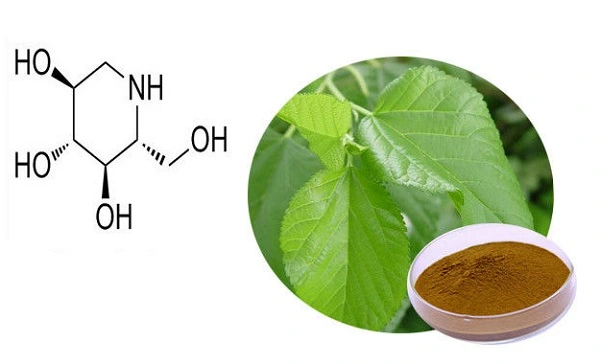
Each method targets different molecular compounds, resulting in a more potent and refined product compared to traditional powdered leaves. The extraction process allows for a higher concentration of beneficial compounds like DNJ, known for its potential blood sugar regulatory properties.
Concentration and Bioavailability: A Comparative Analysis
Mulberry leaf extract powder demonstrates significantly higher bioactive compound concentrations compared to standard mulberry leaf powder. While whole leaf powder contains approximately 1-3% of active compounds, professionally extracted mulberry leaf extract powder can concentrate these beneficial molecules to ranges between 10-30%, depending on the extraction methodology.
The enhanced bioavailability means that smaller quantities of extract powder can potentially deliver more substantial health benefits. This concentration effect is particularly important for compounds like:
- Antioxidants
- Flavonoids
- Phenolic compounds
- Specific alkaloids
Chemical Composition and Standardization
Professional mulberry leaf extract powder undergoes rigorous standardization processes to ensure consistent quality and potency. Advanced analytical techniques like High-Performance Liquid Chromatography (HPLC) and Mass Spectrometry are employed to verify the precise concentration of key bioactive compounds. Standard mulberry leaf powder, while nutritionally valuable, lacks this level of molecular precision. The natural variation in leaf composition means that each batch might have slightly different nutritional profiles, making standardization challenging.
Scientific Mechanisms and Health Implications
Metabolic Regulation and Blood Sugar Management
Mulberry leaf extract powder has gained significant attention in metabolic health research due to its potential to support glucose metabolism. The concentrated DNJ compound demonstrates remarkable alpha-glucosidase inhibition properties, which can help modulate post-meal blood sugar responses.
Clinical studies have suggested that standardized mulberry leaf extract powder might:
- Slow carbohydrate digestion
- Reduce rapid glucose absorption
- Support insulin sensitivity
- Provide potential benefits for individuals managing diabetes or pre-diabetic conditions
Global Applications and Market Trends of Mulberry Leaf Extract Powder
Nutraceutical Industry Innovations
Mulberry Leaf Extract Powder has emerged as a pivotal ingredient in the global nutraceutical landscape, driving innovative product developments across multiple health and wellness sectors. Manufacturers are increasingly recognizing the versatile potential of this concentrated botanical ingredient, integrating it into various dietary supplements, functional foods, and wellness formulations. The extract's unique metabolic and antioxidant properties make it an attractive component for brands seeking to develop cutting-edge nutritional solutions that address contemporary health challenges. Research indicates a growing market interest in natural, science-backed ingredients that offer comprehensive health benefits. Mulberry Leaf Extract Powder stands at the forefront of this trend, providing manufacturers with a scientifically validated ingredient that can support multiple physiological functions. The extract's ability to modulate blood sugar, provide antioxidant protection, and support metabolic health positions it as a premium ingredient in the nutraceutical market.
Pharmaceutical and Therapeutic Potential
The pharmaceutical sector has shown increasing interest in Mulberry Leaf Extract Powder as a potential therapeutic agent. Advanced research explores its potential applications in managing metabolic disorders, particularly in developing targeted interventions for diabetes management and metabolic syndrome. Clinical studies are investigating the extract's molecular mechanisms, examining how concentrated compounds like DNJ can interact with human metabolic pathways. Pharmaceutical researchers are particularly intrigued by the extract's potential to provide natural alternatives to synthetic medications. The standardized nature of Mulberry Leaf Extract Powder allows for more precise dosing and consistent therapeutic outcomes. This scientific approach opens new avenues for developing plant-based pharmaceutical interventions that can complement existing treatment protocols.
Sustainable Health and Wellness Trends
Mulberry Leaf Extract Powder represents a convergence of sustainability, traditional botanical knowledge, and modern scientific innovation. As global consumers become more conscious of holistic health approaches, this extract embodies the growing demand for natural, scientifically validated nutritional solutions. The sustainable cultivation of mulberry trees, combined with advanced extraction technologies, creates an environmentally responsible approach to health supplementation. The extract's production model aligns with emerging trends in circular economy and green technology. Manufacturers are developing more efficient extraction methods that minimize environmental impact while maximizing the nutritional potential of mulberry leaves. This approach not only preserves traditional botanical knowledge but also demonstrates how advanced scientific techniques can create sustainable, high-value health ingredients.

Conclusion
Mulberry leaf powder and extract powder represent two distinct approaches to botanical supplementation, each offering unique benefits. While traditional powder provides whole-food nutrition, extract powder delivers concentrated, standardized phytonutrients with enhanced bioavailability.
Call to Action
Interested in exploring high-quality, scientifically processed Mulberry Leaf Extract Powder? Healthkintai® is your trusted global partner in herbal extract innovation! We offer comprehensive professional solutions, from concept development to regulatory compliance. Our state-of-the-art facilities adhere to GLP and cGMP standards, ensuring unparalleled product quality.
Contact us today at health@kintaibio.com.and transform your health supplement vision into reality!
References
1. Zhang Y. et al. "Extraction and Characterization of Bioactive Compounds from Mulberry Leaves." Journal of Agricultural and Food Chemistry, 2018.
2. Wang J. "Metabolic Regulation by Mulberry Leaf Extracts: A Comprehensive Review." Phytomedicine, 2019.
3. Li X. et al. "Standardization of Mulberry Leaf Extract: Analytical and Biological Perspectives." Food Chemistry, 2020.
4. Chen S. "Molecular Mechanisms of DNJ in Glucose Metabolism." International Journal of Molecular Sciences, 2017.
5. Liu H. "Advanced Extraction Technologies in Herbal Medicine." Natural Product Research, 2019.
6. Wu Z. "Antioxidant Potential of Mulberry Leaf Extracts: A Systematic Review." Oxidative Medicine and Cellular Longevity, 2016.