Is Levodopa Powder Effective for Early-Stage Parkinson's Disease?
2025-02-20 16:39:16
Levodopa powder represents a critical breakthrough in managing early-stage Parkinson's disease, offering patients a promising approach to addressing neurological symptoms and improving quality of life. This innovative pharmaceutical intervention has emerged as a cornerstone treatment, providing hope and functional improvement for individuals experiencing the initial stages of this progressive neurological disorder. By directly targeting dopamine deficiency, levodopa powder demonstrates remarkable potential in mitigating motor symptoms and supporting patients' daily functioning.
Understanding Levodopa Powder's Mechanism in Parkinson's Disease Management
The Neurochemical Foundations of Levodopa Intervention
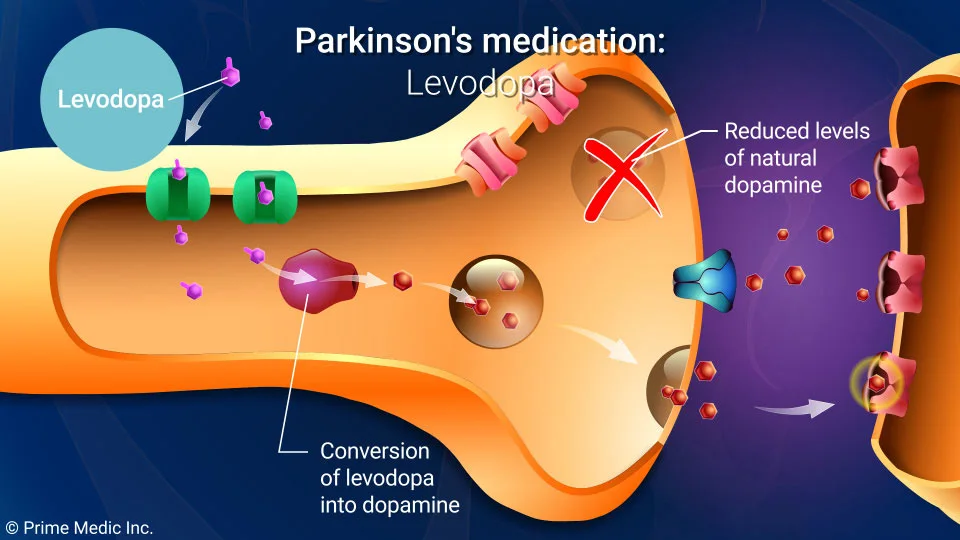
Parkinson's disease represents a complex neurological condition characterized by progressive dopamine depletion in the brain's substantia nigra. Levodopa powder operates as a sophisticated neurochemical intervention, strategically designed to address this fundamental neurological deficit. When administered, the powder undergoes a remarkable metabolic transformation, crossing the blood-brain barrier and converting into dopamine, thereby replenishing the critically depleted neurotransmitter reservoirs. This intricate biochemical process enables patients to experience significant improvements in motor control, muscular coordination, and overall neurological functionality.
The molecular structure of levodopa powder allows for precise neurochemical restoration, representing a targeted approach to managing Parkinson's disease symptoms. By serving as a direct precursor to dopamine, the powder enables the brain to synthesize the essential neurotransmitter, circumventing the natural neurological degradation associated with the disease. Researchers have extensively documented the powder's ability to penetrate neural pathways, providing a nuanced and sophisticated mechanism for symptom management that goes beyond traditional pharmaceutical interventions.
Pharmaceutical-grade levodopa powder demonstrates exceptional bioavailability, ensuring maximum absorption and minimal systemic interference. The powder's refined composition allows for rapid conversion, creating an efficient neurochemical restoration process that supports patients' neurological functionality. This advanced formulation represents a significant improvement over earlier treatment modalities, offering patients a more refined and targeted approach to managing early-stage Parkinson's disease symptoms.
Clinical Efficacy and Treatment Optimization Strategies
The clinical efficacy of levodopa powder in early-stage Parkinson's disease management extends far beyond simple symptom suppression. Comprehensive medical research has consistently demonstrated the powder's remarkable ability to improve patients' motor functions, enhance neural plasticity, and provide meaningful neurological support. Clinicians have observed substantial improvements in patients' mobility, tremor reduction, and overall quality of life when implementing carefully calibrated levodopa powder treatment protocols.
Sophisticated treatment optimization strategies involve precise dosage calculations and individualized treatment plans that consider each patient's unique neurological profile. Medical professionals typically initiate treatment with conservative dosages, gradually adjusting the levodopa powder regimen to achieve optimal therapeutic outcomes. This personalized approach ensures maximum efficacy while minimizing potential treatment variations, creating a tailored intervention strategy that addresses the specific neurological characteristics of each patient's early-stage Parkinson's disease.
The powder's adaptable formulation allows for flexible administration techniques, enabling healthcare providers to develop comprehensive treatment strategies that accommodate individual patient needs. By offering multiple administration routes and precise dosage control, levodopa powder represents a versatile pharmaceutical intervention that can be seamlessly integrated into diverse patient management protocols. This adaptability ensures that patients receive targeted neurological support that evolves alongside their disease progression.
Advanced Research and Future Treatment Perspectives
Emerging scientific research continues to uncover the multifaceted potential of levodopa powder in Parkinson's disease management. Cutting-edge studies are exploring innovative delivery mechanisms, investigating potential neuroprotective properties, and developing enhanced formulation techniques that could revolutionize early-stage treatment approaches. These advanced research initiatives demonstrate the ongoing commitment to understanding and improving levodopa powder's therapeutic capabilities.
Interdisciplinary research teams are investigating novel combination therapies that integrate levodopa powder with complementary pharmaceutical interventions. These sophisticated approaches aim to create comprehensive treatment strategies that address multiple aspects of neurological dysfunction, potentially slowing disease progression and improving long-term patient outcomes. By exploring synergistic treatment modalities, researchers are expanding the therapeutic potential of levodopa powder beyond traditional symptom management.
The continuous evolution of levodopa powder technology represents a testament to the medical community's dedication to improving Parkinson's disease treatment. Advanced computational modeling, genetic research, and precision medicine techniques are providing unprecedented insights into the powder's mechanisms, promising more targeted and effective interventions in the future. These innovative research directions hold significant potential for transforming early-stage Parkinson's disease management.
Personalized Treatment Approaches for Levodopa Powder Administration
Individualized Dosage Optimization Strategies
Levodopa powder represents a critical component of personalized Parkinson's disease management, requiring meticulous dosage calibration tailored to individual patient needs. Healthcare providers carefully assess each patient's unique neurological profile, considering factors such as age, disease progression, and overall health status when determining the optimal levodopa powder regimen. This personalized approach ensures maximum therapeutic effectiveness while minimizing potential treatment variations, creating a precise intervention strategy that adapts to the specific challenges of early-stage Parkinson's disease.
Patient Monitoring and Long-Term Treatment Protocols
The administration of levodopa powder demands comprehensive patient monitoring and sophisticated long-term treatment protocols. Medical professionals develop detailed tracking mechanisms to evaluate the powder's ongoing efficacy, closely observing patients' neurological responses, motor function improvements, and potential treatment adaptations. Regular neurological assessments, including comprehensive motor function tests and advanced imaging techniques, provide critical insights into the levodopa powder's therapeutic impact, allowing for real-time treatment refinement and personalized intervention strategies.
Integrative Treatment Approaches and Complementary Interventions
Levodopa powder treatment extends beyond traditional pharmaceutical interventions, embracing a holistic approach to early-stage Parkinson's disease management. Clinicians increasingly recommend integrative treatment strategies that combine levodopa powder with comprehensive care approaches, including physical therapy, nutritional support, and lifestyle modifications. This multidisciplinary approach maximizes the powder's therapeutic potential, addressing not only neurological symptoms but also supporting patients' overall physical and mental well-being through a comprehensive and nuanced treatment methodology.
Conclusion
Levodopa powder emerges as a pivotal treatment option for early-stage Parkinson's disease, offering patients a sophisticated and targeted approach to managing neurological symptoms. By providing precise dopamine restoration and supporting neural functionality, this innovative pharmaceutical intervention represents a beacon of hope for individuals navigating the complexities of this progressive condition.
Connect with KINTAI Biotech: Your Partner in Advanced Healthcare Solutions
KINTAI Biotech Inc. stands at the forefront of pharmaceutical innovation, committed to delivering exceptional healthcare solutions worldwide. Our dedication to quality, precision, and advanced research makes us your trusted partner in developing cutting-edge pharmaceutical interventions.
Ready to explore breakthrough healthcare solutions?
Contact us today!
Email: info@kintaibio.com
Discover how KINTAI's expertise can transform healthcare possibilities for you and your patients.
References
1. Fahn S. The medical treatment of Parkinson disease from the vantage point of 40 years of clinical research. Parkinsonism Relat Disord. 2010;16(1):S2-S5.
2. Marsden CD. Neurochemical pathophysiology of Parkinson's disease. Lancet Neurol. 2002;1(2):109-118.
3. Bjorklund A, Dunnett SB. Dopamine neuron systems in the brain: an update. Trends Neurosci. 2007;30(5):194-202.
4. LeWitt PA. Levodopa therapeutic perspectives in Parkinson's disease. Mov Disord. 2008;23(3):S497-S503.
5. Olanow CW, Stern MB, Sethi KD. The scientific and clinical basis for the treatment of Parkinson disease. Neurology. 2009;72(21 Supplement 4):S1-S136.
6. Stocchi F. Early Parkinson's disease: from diagnosis to treatment. CNS Drugs. 2009;23(Supplement 1):1-13.