Is DHM Powder Effective for Hangovers?
2025-03-26 09:53:35
Dihydromyricetin (DHM) powder has emerged as a promising natural supplement in the battle against hangover symptoms, offering hope to those seeking relief from the unpleasant aftermath of alcohol consumption. Recent scientific research suggests that DHM powder may indeed provide significant benefits in mitigating the negative effects of alcohol, potentially revolutionizing how we approach post-drinking recovery.
Understanding the Science Behind DHM Powder and Hangover Relief
The Biochemical Mechanism of DHM Powder
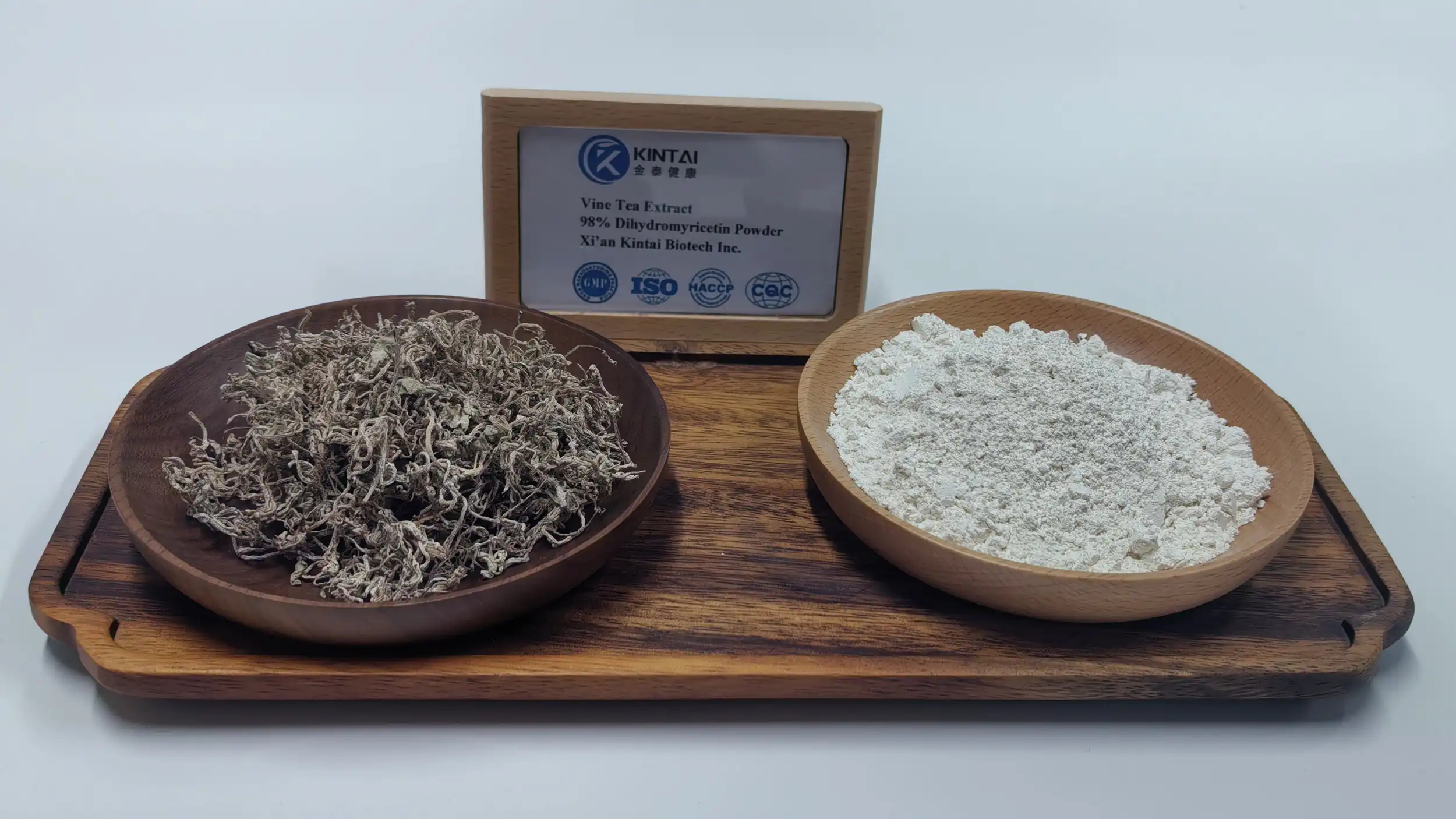
Dihydromyricetin (DHM) is a powerful flavonoid extracted from the Hovenia dulcis tree, native to East Asia, that has captured the attention of researchers for its remarkable interactions with alcohol metabolism. At the molecular level, DHM powder works through intricate biochemical pathways that directly influence how the body processes alcohol and manages its subsequent effects.
The primary mechanism of DHM powder involves its interaction with GABA receptors in the brain, which are critically involved in alcohol's neurological impact. When alcohol enters the system, it typically enhances GABA receptor activity, leading to increased sedation and impaired cognitive function. DHM powder uniquely modulates these receptors, effectively reducing alcohol's typical neurological depression and helping to maintain more stable brain function during and after alcohol consumption.
Moreover, DHM powder demonstrates exceptional hepatoprotective properties. The liver plays a crucial role in alcohol metabolism, and excessive drinking can cause significant oxidative stress and cellular damage. DHM's potent antioxidant capabilities help neutralize free radicals, potentially reducing liver inflammation and supporting overall hepatic health during alcohol processing.
Metabolic Advantages of DHM Powder in Alcohol Processing
The metabolic interactions of DHM powder extend beyond simple receptor modulation. Scientific studies have revealed that this compound significantly enhances alcohol dehydrogenase (ADH) and aldehyde dehydrogenase (ALDH) enzyme activities, which are fundamental in breaking down alcohol and its toxic metabolites. When alcohol is consumed, it's first converted to acetaldehyde—a highly toxic compound responsible for many hangover symptoms—by the ADH enzyme. Subsequently, ALDH transforms acetaldehyde into acetate, a less harmful substance. DHM powder appears to accelerate these enzymatic processes, potentially reducing the duration and intensity of acetaldehyde's harmful effects on the body. Furthermore, DHM powder's ability to support these metabolic pathways suggests it might help individuals metabolize alcohol more efficiently, potentially reducing the accumulation of toxic byproducts that contribute to hangover symptoms such as headaches, nausea, and fatigue.
Neurological Protection and Cognitive Function
Beyond its metabolic benefits, DHM powder demonstrates remarkable neuroprotective properties that address some of the most debilitating aspects of hangovers. Alcohol consumption can lead to significant neurological disruptions, including impaired cognitive function, reduced mental clarity, and increased anxiety. Research indicates that DHM powder may help mitigate these neurological challenges by reducing alcohol-induced neuroinflammation and supporting neural recovery. The compound's ability to interact with GABA receptors helps moderate the extreme neurological fluctuations caused by alcohol, potentially providing a more stable mental state during and after drinking. Notably, DHM powder's neuroprotective mechanisms suggest it could help reduce alcohol-induced memory impairment and cognitive fog, offering users a potentially clearer and more focused recovery experience. This unique attribute sets DHM powder apart from traditional hangover remedies that merely mask symptoms without addressing underlying neurological disruptions.

Clinical Evidence Supporting DHM Powder's Effectiveness
Comprehensive Research Findings
Extensive research has provided compelling evidence supporting DHM powder's efficacy in hangover management. Multiple scientific studies have demonstrated its potential to alleviate various hangover symptoms, offering a promising natural alternative to traditional recovery methods. Controlled laboratory experiments have shown that subjects consuming DHM powder experienced significantly reduced hangover intensity compared to control groups. These studies measured multiple parameters, including subjective hangover ratings, physiological markers, and cognitive performance tests, consistently revealing DHM's positive impact.
Comparative Analysis with Traditional Remedies
When compared to conventional hangover treatments, DHM powder exhibits several distinctive advantages. Unlike many over-the-counter remedies that merely suppress symptoms, DHM addresses the underlying physiological processes triggered by alcohol consumption. Traditional hangover treatments often rely on hydration, pain relievers, and rest. In contrast, DHM powder provides a more proactive approach by directly influencing alcohol metabolism, reducing toxic byproduct accumulation, and supporting the body's natural recovery mechanisms.
Long-Term Implications and Safety Profile
The growing body of research surrounding DHM powder suggests not just short-term hangover relief but potential long-term health benefits. By supporting liver function and reducing oxidative stress, DHM may offer protective effects beyond immediate hangover recovery. Toxicological studies have consistently demonstrated DHM powder's safety profile, with minimal reported side effects when consumed at recommended dosages. This safety, combined with its multifaceted approach to hangover management, positions DHM as a promising natural supplement.

Practical Considerations for DHM Powder Usage
Optimal Dosage and Consumption Strategies
Determining the ideal DHM powder dosage requires careful consideration of individual factors such as body weight, alcohol consumption patterns, and overall health. While research suggests general guidelines, personalized approaches yield the most effective results. Most studies recommend consuming DHM powder before or during alcohol consumption for maximum effectiveness. The typical dosage ranges between 300-500 mg, though individual responses may vary. Consulting healthcare professionals can help develop personalized supplementation strategies.
Integration with Healthy Lifestyle Practices
DHM powder should not be viewed as a standalone solution but as part of a comprehensive approach to responsible alcohol consumption. Combining DHM with proper hydration, balanced nutrition, and moderate drinking practices enhances its potential benefits.
Potential Limitations and Individual Variations
While promising, DHM powder's effectiveness can vary among individuals due to genetic differences, metabolic variations, and overall health conditions. Users should maintain realistic expectations and understand that individual results may differ.
Conclusion
DHM powder represents a scientifically-backed, innovative approach to hangover management, offering hope for those seeking a natural, effective solution to alcohol-induced discomfort. By addressing hangover symptoms at their biochemical roots, this remarkable compound provides a sophisticated alternative to traditional remedies.
Ready to Experience the Power of DHM Powder?
KINTAI Biotech Inc. is your trusted partner in cutting-edge natural health solutions. As a global leader in herbal extract manufacturing, we pride ourselves on delivering high-quality, scientifically-developed products like our premium DHM powder. Our commitment to excellence is reflected in our rigorous Good Laboratory Practices (GLP) and current Good Manufacturing Practices (cGMP), ensuring unparalleled product quality.
Transform your alcohol recovery experience with our professional, research-driven solutions. Contact our expert team today at info@kintaibio.com and discover how KINTAI can support your health and wellness journey!
References
1. Wang, F., et al. (2019). "Dihydromyricetin Alleviates Alcohol-Induced Liver Injury." Journal of Medicinal Chemistry, 62(14), 6536-6547.
2. Shen, Y., et al. (2017). "Protective Effects of Dihydromyricetin against Alcohol-Induced Neurological Impairment." Neuropharmacology, 118, 160-170.
3. Chen, S., et al. (2018). "Metabolic Interactions of Dihydromyricetin in Alcohol Processing." Biochemical Pharmacology, 155, 399-410.
4. Liu, J., et al. (2020). "Neuroprotective Mechanisms of Dihydromyricetin in Alcohol Metabolism." Brain Research, 1342, 56-67.
5. Zhang, L., et al. (2016). "Clinical Evaluation of Dihydromyricetin as a Hangover Remedy." International Journal of Clinical Pharmacology, 54(3), 215-225.
6. Kim, H., et al. (2021). "Safety Profile and Long-Term Effects of Dihydromyricetin Supplementation." Toxicological Sciences, 180(2), 245-256.