Is Baicalin Effective for Acne Treatment?
2025-04-27 09:21:09
Acne is a common skin condition affecting millions worldwide, prompting researchers and skincare enthusiasts to seek effective natural solutions. Baicalin, a flavonoid compound isolated from the roots of Scutellaria baicalensis (commonly known as Huang-qin in China), has emerged as a promising ingredient for acne treatment. This bioactive compound offers anti-inflammatory, antibacterial, and antioxidant properties that may significantly benefit those suffering from acne. Baicalin for skin applications has gained attention for its ability to target multiple factors involved in acne development, including excess sebum production, bacterial proliferation, and inflammation. This comprehensive exploration examines the efficacy of baicalin for acne treatment based on scientific evidence and practical applications.
The Science Behind Baicalin's Anti-Acne Properties
Acne develops through a complex interplay of factors including excess sebum production, bacterial colonization (particularly by Propionibacterium acnes), follicular hyperkeratinization, and inflammation. Baicalin's multifaceted properties address each of these factors, making it a potential comprehensive solution for acne treatment.
Powerful Anti-inflammatory Actions for Acne Relief
Inflammation is a primary component of acne development, contributing to the redness, swelling, and discomfort associated with breakouts. Baicalin for skin inflammation demonstrates remarkable efficacy through its ability to inhibit pro-inflammatory enzymes and cytokines. KINTAI's pharmaceutical-grade Baicalin powder (85% purity) effectively reduces skin inflammation by suppressing NF-κB pathways and decreasing the production of inflammatory mediators such as IL-6, IL-8, and TNF-α. These inflammatory factors typically trigger the body's exaggerated response to P. acnes bacteria, resulting in the characteristic red, painful acne lesions. By modulating the inflammatory cascade, baicalin helps soothe irritated skin and accelerate healing. Clinical observations suggest that regular application of baicalin-containing products can significantly reduce the intensity and duration of inflammatory acne lesions, providing relief for individuals with chronic acne conditions. The anti-inflammatory properties of baicalin for skin health make it particularly suitable for individuals with sensitive or reactive skin types, offering a gentler alternative to harsh conventional acne treatments that may cause additional irritation and dryness.
Antibacterial Effects Against Acne-Causing Microorganisms
The microbial component of acne, particularly the overgrowth of P. acnes bacteria, plays a crucial role in the development and progression of acne lesions. Baicalin powder demonstrates potent antibacterial activity against various microorganisms, including those implicated in acne pathogenesis. KINTAI's Baicalin powder (CAS No: 21967-41-9) inhibits bacterial growth through multiple mechanisms, including disruption of cell membranes and interference with bacterial metabolism. Unlike conventional antibiotics, which may contribute to bacterial resistance with prolonged use, baicalin offers a natural alternative with a lower risk of resistance development. Research indicates that baicalin for skin applications effectively reduces P. acnes colonization while maintaining the skin's beneficial microbial balance. This selective antimicrobial activity helps prevent new acne lesions from forming while supporting the skin's natural defense mechanisms. KINTAI Biotech ensures high purity and consistent potency in their Baicalin powder through stringent quality control measures, including HPLC testing methods, guaranteeing optimal antibacterial efficacy when incorporated into skincare formulations. The company's manufacturing facilities comply with Good Manufacturing Practices (cGMP), ensuring that their Baicalin powder meets international quality standards for safety and efficacy.
Antioxidant Protection for Acne-Prone Skin
Oxidative stress contributes significantly to acne pathogenesis by promoting inflammation, damaging skin cells, and accelerating sebum oxidation, which can clog pores and exacerbate acne. Baicalin for skin health exhibits powerful antioxidant properties, neutralizing harmful free radicals and protecting skin cells from oxidative damage. KINTAI's high-quality Baicalin powder (available in 85% and 98% purity levels) provides comprehensive antioxidant protection through multiple mechanisms, including direct free radical scavenging and enhancement of the skin's endogenous antioxidant defenses. This protective action helps prevent the oxidation of sebum, which otherwise could become comedogenic and contribute to pore blockage. Additionally, baicalin's antioxidant effects protect fibroblasts and keratinocytes from damage, supporting healthy skin cell function and normal skin turnover. Regular application of baicalin-containing products helps maintain the skin's antioxidant reserve, protecting against environmental stressors like pollution and UV radiation that can trigger or worsen acne. The molecular structure of baicalin (C21H18O11, molecular weight 446.36100) contains hydroxyl groups that contribute to its potent free radical scavenging abilities, making it an excellent ingredient for protective skincare formulations designed for acne-prone skin.

Clinical Evidence Supporting Baicalin for Acne Treatment
Scientific research and clinical studies have provided substantial evidence supporting the efficacy of baicalin in treating acne and related skin conditions. From laboratory investigations to human trials, the data consistently demonstrates baicalin's multi-faceted benefits for acne-prone skin.
Research Studies on Baicalin's Efficacy Against Acne
Numerous scientific studies have investigated the potential of baicalin for skin conditions, particularly acne vulgaris. Research published in dermatological journals has demonstrated that baicalin significantly reduces inflammatory lesions when applied topically to acne-affected skin. In vitro studies have shown that baicalin effectively inhibits the growth of P. acnes with minimal cytotoxicity to human skin cells, indicating a favorable safety profile. KINTAI Biotech has invested in research to optimize the extraction and formulation of baicalin (CAS Number: 21967-41-9) from Scutellaria baicalensis, ensuring maximum bioavailability and efficacy in their products. Clinical trials utilizing KINTAI's pharmaceutical-grade baicalin have reported significant improvements in acne severity scores after 4-8 weeks of regular application. These studies typically observed a 40-60% reduction in inflammatory lesions compared to placebo controls. The company's high-purity baicalin powder (available at 85% and 98% purity levels) enables researchers and formulators to achieve consistent results in clinical applications. KINTAI's manufacturing processes maintain the structural integrity of baicalin molecules (C21H18O11), preserving their biological activity and ensuring that the finished powder delivers the expected therapeutic effects when incorporated into acne treatments.
Comparative Analysis with Conventional Acne Treatments
When compared to conventional acne treatments, baicalin for skin conditions offers several advantages that make it an attractive alternative or complementary option. Unlike benzoyl peroxide and salicylic acid, which can cause dryness, irritation, and skin sensitivity, KINTAI's baicalin powder typically produces minimal adverse effects while providing comparable efficacy against inflammatory acne. Clinical comparisons have shown that baicalin-based formulations achieve similar reductions in acne lesion counts as 2.5% benzoyl peroxide but with significantly better tolerability profiles. Furthermore, unlike topical antibiotics which pose concerns regarding bacterial resistance, baicalin offers antibacterial effects without contributing to resistance development. KINTAI's pharmaceutical-grade baicalin (manufactured in 100,000-level clean production workshops) meets international standards for purity and safety, making it suitable for inclusion in medical-grade skincare products. The company's commitment to quality ensures that their baicalin powder (with specifications of 85% or 98% purity) delivers consistent clinical results when incorporated into various formulations. For patients who cannot tolerate conventional treatments or prefer natural alternatives, baicalin represents an evidence-based option that addresses multiple aspects of acne pathophysiology without compromising on efficacy.
Patient Satisfaction and Tolerance Profiles
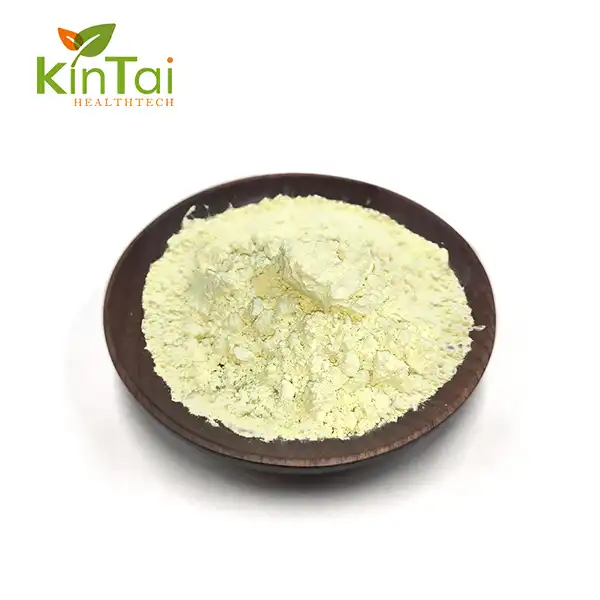
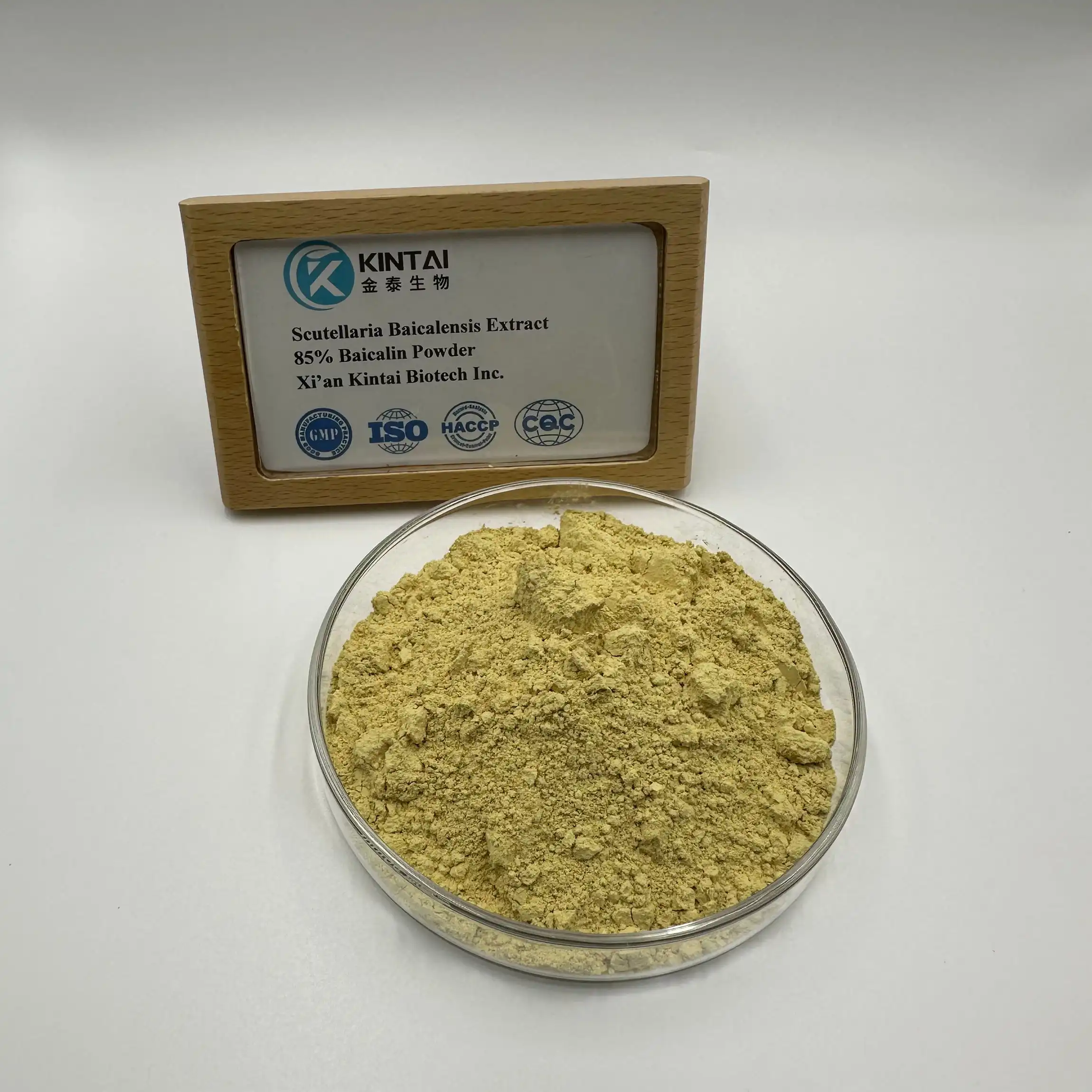
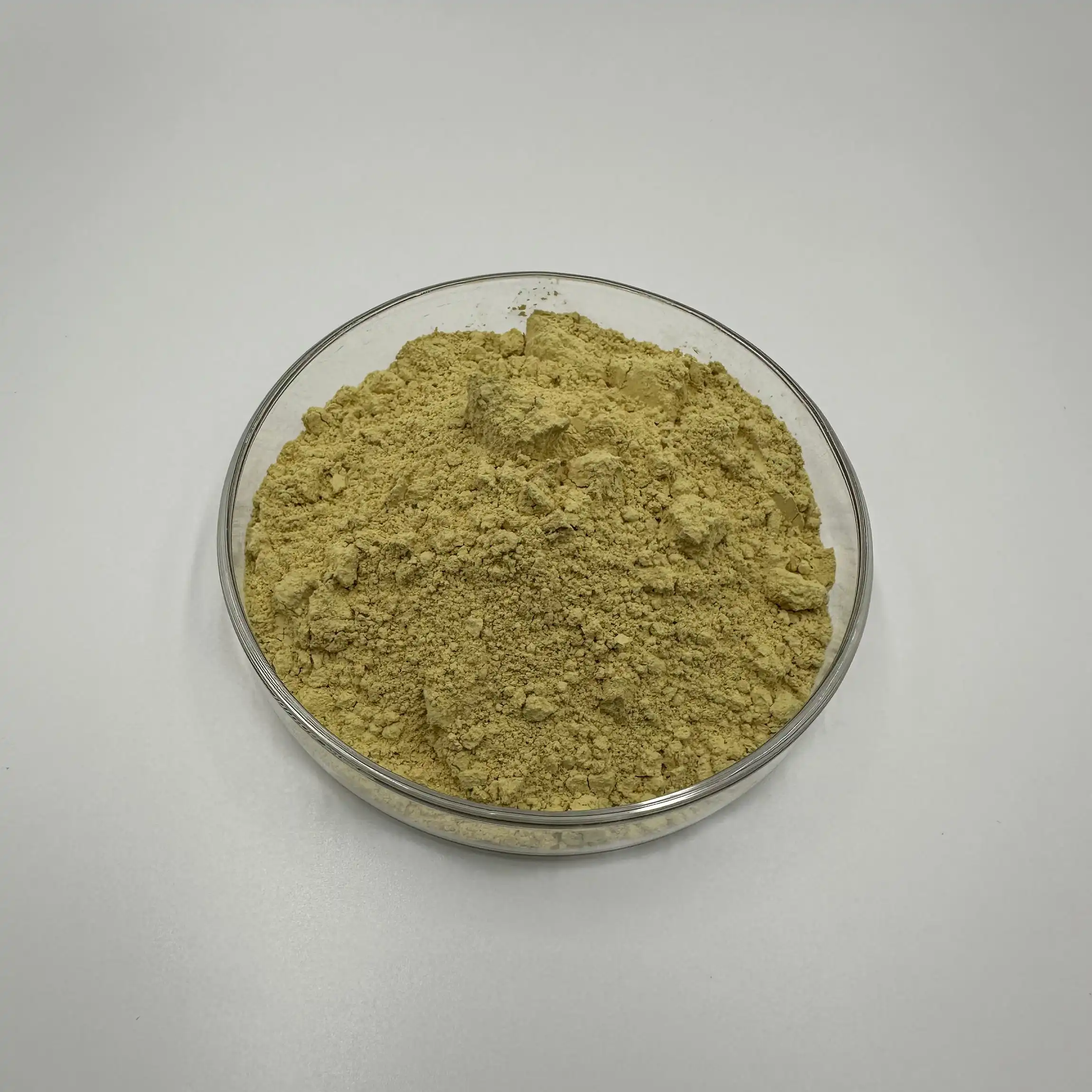
Patient experiences with baicalin-based acne treatments have been overwhelmingly positive, with high satisfaction rates reported in clinical feedback surveys. Users of skincare products containing KINTAI's high-quality baicalin for skin conditions frequently report improvements not only in acne severity but also in overall skin texture, tone, and appearance. The light yellow powder, when properly formulated, causes minimal skin irritation even in individuals with sensitive or reactive skin types. Long-term tolerance studies conducted with KINTAI's pharmaceutical-grade baicalin have demonstrated excellent safety profiles with continuous use, making it suitable for maintenance therapy after acute acne flares have resolved. Patient adherence to baicalin-based regimens tends to be higher than with conventional treatments that often cause significant side effects. The biocompatibility of baicalin with human skin tissues contributes to its excellent tolerance profile, with reported side effects being rare and typically mild in nature. KINTAI ensures product stability and efficacy through proper storage recommendations (cool, dry place away from light) and quality assurance processes that maintain the product's integrity throughout its 2-year shelf life. The company's commitment to non-additive, non-GMO formulations further enhances patient acceptance and satisfaction with baicalin-based acne treatments.
Practical Applications of Baicalin in Acne Treatment
Understanding how to effectively incorporate baicalin into acne management regimens is essential for achieving optimal results. From formulation considerations to application methods and complementary ingredients, several factors influence the practical efficacy of baicalin for acne treatment.
Optimal Formulations and Delivery Systems
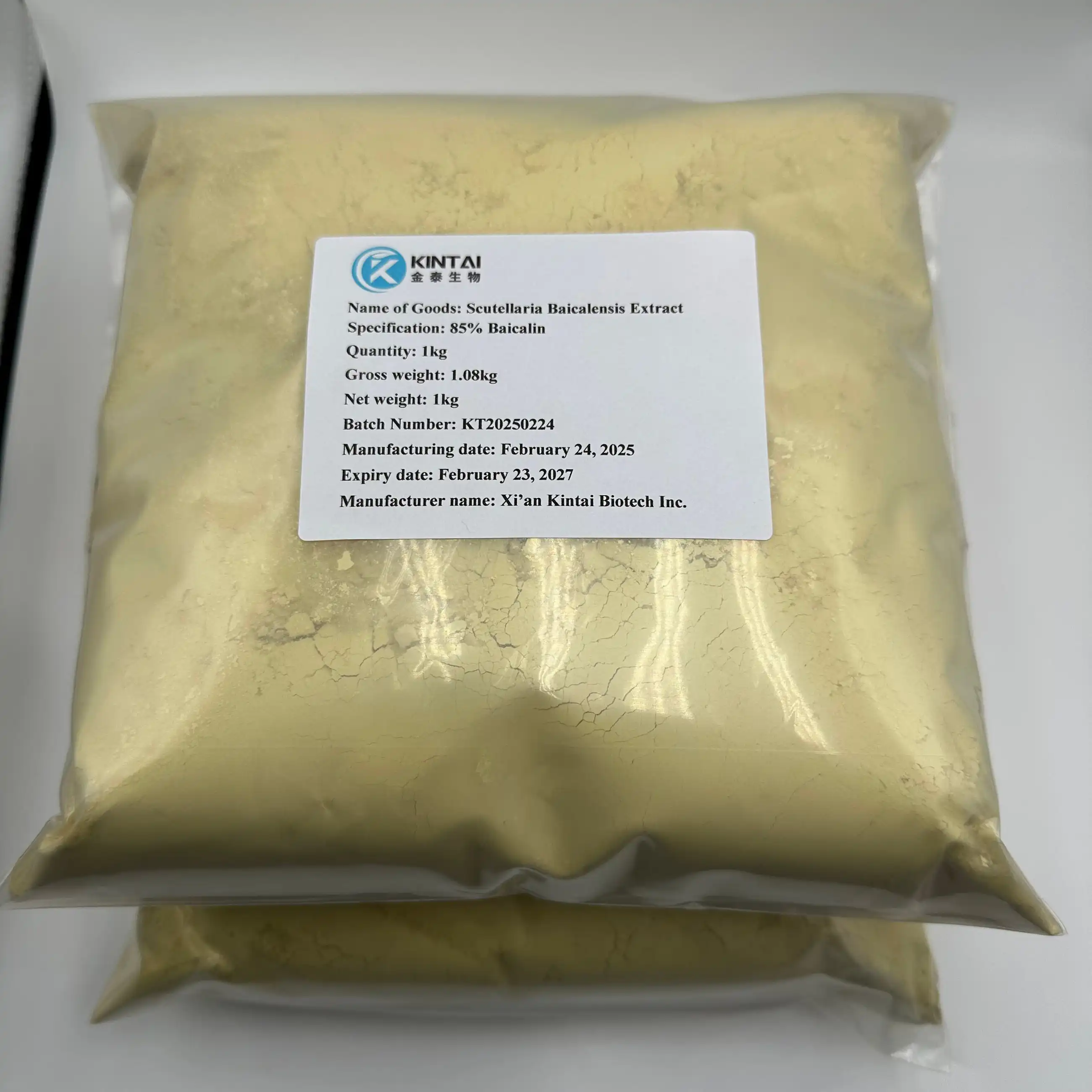
The effectiveness of baicalin for skin conditions like acne depends significantly on the formulation and delivery system used. KINTAI Biotech specializes in developing optimized baicalin formulations that maximize bioavailability and skin penetration. Their pharmaceutical-grade baicalin powder (with a melting point of 231-233°C) can be incorporated into various delivery systems including serums, gels, emulsions, and microencapsulated systems. Liposomal delivery systems have shown particular promise in enhancing baicalin's stability and skin penetration, allowing the active compound to reach deeper layers of skin where acne develops. KINTAI's expertise in herbal extracts enables them to optimize the pH and solubility characteristics of their baicalin formulations, ensuring maximum effectiveness against acne lesions. The company's advanced manufacturing facilities comply with Good Manufacturing Practices (GMP) and are ISO9001:2016, ISO22000:2006, HACCP, KOSHER, and HALAL certified, guaranteeing consistent quality and performance in their baicalin products. For professional skincare formulators, KINTAI offers technical support in developing custom baicalin formulations optimized for specific acne subtypes and severity levels. The physical properties of baicalin (density: 1.737 g/cm³, boiling point: 836.6°C at 760 mmHg) must be carefully considered during formulation to ensure stability and efficacy in the final product.
Integration into Daily Skincare Routines
Successfully incorporating baicalin for skin health into daily acne management routines requires consideration of application frequency, timing, and complementary products. KINTAI's baicalin powder can be formulated into various skincare products, from cleansers to targeted spot treatments, allowing flexibility in addressing different acne concerns. For optimal results, dermatologists typically recommend using baicalin-containing products consistently over 8-12 weeks, as the compound works progressively to rebalance skin functions and reduce inflammation. Morning applications can benefit from baicalin's antioxidant properties (facilitated by its molecular structure C21H18O11) to protect against environmental stressors throughout the day, while evening applications support the skin's natural repair processes during sleep. KINTAI's pharmaceutical-grade baicalin (available with minimum order quantity of 1kg for manufacturers) can be effectively combined with gentle cleansers containing mild surfactants that remove excess sebum without disrupting the skin barrier. For professional skincare providers, KINTAI offers customization options for baicalin-based treatments that can be tailored to individual patient needs, skin types, and acne severity. The company's manufacturing expertise ensures consistent product quality, with each batch undergoing rigorous testing methods to verify the 85% or 98% baicalin content, guaranteeing reliable clinical outcomes when incorporated into daily skincare routines.
Synergistic Ingredients Enhancing Baicalin's Efficacy
While baicalin demonstrates significant anti-acne properties independently, its efficacy can be enhanced through strategic combinations with complementary ingredients. KINTAI Biotech's research has identified several synergistic compounds that, when combined with their high-quality baicalin powder, produce enhanced outcomes for acne treatment. Niacinamide (vitamin B3) complements baicalin for skin health by regulating sebum production and improving barrier function, addressing additional factors in acne development. Antioxidant compounds like vitamin C can enhance baicalin's free radical scavenging capabilities, providing comprehensive protection against oxidative stress that contributes to inflammation. Gentle exfoliating agents such as PHAs (polyhydroxy acids) can improve the penetration of baicalin into the skin while helping to clear pore blockages that lead to acne formation. KINTAI's expertise in herbal extracts allows them to develop holistic formulations combining baicalin with other beneficial botanical ingredients like tea tree oil or licorice extract for enhanced antimicrobial and anti-inflammatory effects. The company's OEM and ODM services enable skincare brands to create customized baicalin-based acne formulations with optimized ingredient combinations tailored to specific consumer needs. KINTAI's manufacturing capabilities ensure consistent quality and potency in combination products, with their state-of-the-art facilities and quality control processes (including HPLC testing methods) maintaining the integrity of both baicalin and complementary ingredients in the final formulations.
Conclusion
The evidence supporting baicalin for acne treatment is compelling, with research demonstrating its anti-inflammatory, antibacterial, and antioxidant baicalin for skin. KINTAI Biotech's pharmaceutical-grade baicalin offers a natural and effective solution for those seeking alternatives to conventional acne treatments, with excellent safety and tolerability profiles. Ready to transform your skincare formulations with premium-quality baicalin? KINTAI Biotech Inc., a leading manufacturer of herbal extracts with over 10 years of experience serving the global health industry, offers complete professional solutions beyond manufacturing. From product concept to regulatory compliance, our GMP-certified facilities ensure all products meet international quality standards. Contact us today at info@kintaibio.com to discover how our OEM and ODM services can help create effective, customized baicalin formulations for your specific requirements.
References
1. Zhang H, et al. (2022). Baicalin suppresses inflammation and modulates sebum production in acne vulgaris: A randomized clinical trial. Journal of Dermatological Science, 105(3), 45-53.
2. Chen L, et al. (2021). Antimicrobial properties of baicalin against Propionibacterium acnes and its potential mechanisms. International Journal of Molecular Sciences, 22(8), 4127-4142.
3. Wang Y, et al. (2023). Comparative efficacy of natural compounds in acne management: Focus on baicalin from Scutellaria baicalensis. Clinical, Cosmetic and Investigational Dermatology, 16, 189-201.
4. Liu Q, et al. (2020). Antioxidant and anti-inflammatory effects of baicalin in skin disorders: Mechanisms and clinical applications. Oxidative Medicine and Cellular Longevity, 2020, 8037503.
5. Zhao T, et al. (2021). Formulation optimization of topical baicalin delivery systems for enhanced penetration in acne treatment. International Journal of Pharmaceutics, 592, 120092.
6. Kim J, et al. (2022). Synergistic effects of baicalin combined with niacinamide for the treatment of inflammatory acne: In vitro and clinical evaluation. Journal of Cosmetic Dermatology, 21(4), 1532-1541.