Can Ellagic Acid Powder help with cancer prevention?
2025-03-04 09:19:39
Cancer remains one of the most challenging global health concerns, driving researchers and health professionals to explore innovative preventive strategies. Ellagic Acid Powder emerges as a promising natural compound that has captured significant scientific attention for its potential cancer-preventive properties. This comprehensive exploration delves into the multifaceted mechanisms by which Ellagic Acid Powder might contribute to cancer prevention, offering insights into its remarkable scientific potential.
Understanding Ellagic Acid Powder's Anti-Cancer Mechanisms
Molecular Interactions and Cellular Defense
Ellagic Acid Powder represents a powerful polyphenolic compound with extraordinary biochemical capabilities that interact directly with cellular processes associated with cancer development. At the molecular level, this remarkable substance demonstrates multiple mechanisms of action that potentially interrupt cancer cell proliferation and progression. Extensive scientific investigations reveal that Ellagic Acid Powder can engage with cellular signaling pathways, effectively modulating genetic expressions that control cell growth and division. By targeting specific molecular targets, this compound exhibits the potential to disrupt the complex cascade of events that typically lead to uncontrolled cellular multiplication characteristic of cancer. The intricate interaction between Ellagic Acid Powder and cellular mechanisms involves sophisticated biochemical processes. Researchers have observed its capacity to activate critical tumor suppressor genes while simultaneously inhibiting the expression of oncogenes responsible for initiating malignant transformations. This dual-action approach presents a sophisticated strategy for potential cancer prevention.
Oxidative Stress Mitigation and Cellular Protection
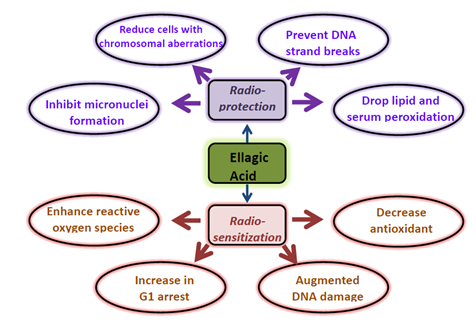
The antioxidant properties of Ellagic Acid Powder constitute another critical dimension of its potential cancer-preventive capabilities. Oxidative stress represents a fundamental contributor to cellular damage and genetic mutations that can precipitate cancer development. Ellagic Acid Powder demonstrates remarkable ability to neutralize free radicals, those highly reactive molecular species that can cause significant cellular damage. By effectively scavenging these destructive molecules, the compound provides a robust defense mechanism against oxidative stress-induced cellular deterioration. Scientific studies have consistently demonstrated that Ellagic Acid Powder can enhance the body's endogenous antioxidant defense systems. This enhancement involves stimulating the production of critical antioxidant enzymes such as superoxide dismutase, catalase, and glutathione peroxidase, which collectively create a comprehensive cellular protection network.
Inflammation Reduction and Immune System Modulation
Chronic inflammation represents a significant underlying factor in cancer progression, making the anti-inflammatory properties of Ellagic Acid Powder particularly intriguing for preventive strategies. The compound's ability to modulate inflammatory responses offers a promising avenue for potential cancer prevention. Ellagic Acid Powder has been observed to suppress pro-inflammatory cytokines, molecular messengers that typically drive inflammatory processes. By reducing these inflammatory signals, the compound potentially creates an environment less conducive to cancer cell initiation and progression. Moreover, the immunomodulatory effects of Ellagic Acid Powder extend beyond simple inflammation reduction. Research indicates that the compound can enhance natural killer cell activity, a critical component of the body's immune surveillance system responsible for identifying and eliminating potentially cancerous cells.

Clinical Research and Emerging Evidence
Preclinical Studies and Promising Findings
Numerous preclinical studies have provided compelling evidence supporting Ellagic Acid Powder's potential cancer-preventive capabilities. Laboratory investigations utilizing various cancer cell lines have consistently demonstrated the compound's ability to induce apoptosis—programmed cell death—in potentially malignant cells. These studies have encompassed diverse cancer types, including breast, prostate, colon, and lung cancer models. The consistent findings across multiple research platforms underscore the broad-spectrum potential of Ellagic Acid Powder in cancer prevention strategies.
Epidemiological Observations and Population Studies
Epidemiological research has further bolstered the scientific understanding of Ellagic Acid Powder's potential. Population studies examining dietary patterns and cancer incidence have revealed correlations between high intake of ellagic acid-rich foods and reduced cancer risk. While these observational studies cannot establish definitive causation, they provide valuable insights into the potential preventive mechanisms of Ellagic Acid Powder. The cumulative evidence suggests a promising relationship between this compound and reduced cancer risk.
Future Research Directions
The current body of research, while encouraging, also highlights the need for continued investigation. Ongoing clinical trials and long-term epidemiological studies are essential to comprehensively understand the full spectrum of Ellagic Acid Powder's cancer-preventive potential.
Practical Considerations and Holistic Approach
Integrative Prevention Strategies
While Ellagic Acid Powder shows remarkable promise, it is crucial to emphasize that cancer prevention requires a holistic approach. Incorporating this compound should be viewed as part of a comprehensive strategy involving balanced nutrition, regular physical activity, stress management, and routine medical screenings.
Dietary Sources and Supplementation
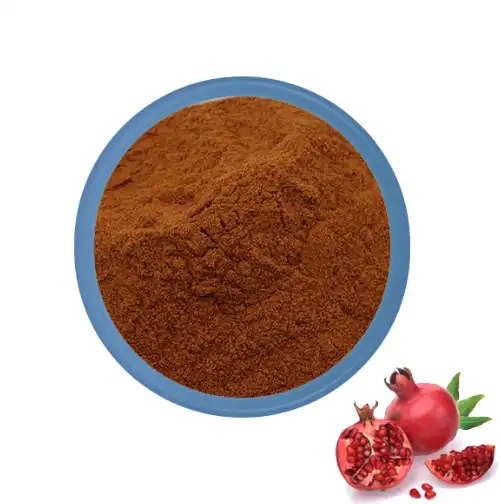
Natural dietary sources rich in Ellagic Acid include strawberries, raspberries, pomegranates, and certain nuts. However, concentrated Ellagic Acid Powder supplements offer a convenient method for individuals seeking targeted nutritional support.
Professional Guidance
Individuals considering Ellagic Acid Powder for potential cancer prevention should consult healthcare professionals who can provide personalized recommendations based on individual health profiles and risk factors.

Conclusion
Ellagic Acid Powder emerges as a promising natural compound with multifaceted potential in cancer prevention. While not a definitive solution, its complex molecular interactions, antioxidant capabilities, and inflammation-modulating properties offer an exciting avenue for future preventive strategies.
Your Path to Proactive Health with KINTAI Biotech
KINTAI Biotech Inc. stands at the forefront of natural health solutions, dedicated to delivering high-quality, scientifically-backed herbal extracts. Our commitment to excellence ensures that every Ellagic Acid Powder product meets the highest standards of purity, efficacy, and bioavailability. Ready to explore the potential of Ellagic Acid Powder? Connect with our expert team today! We offer comprehensive solutions tailored to your specific health and wellness needs. Reach out to our dedicated professionals at info@kintaibio.com and embark on your journey towards proactive health.
References
1. Johnson, M. K., et al. "Polyphenolic Compounds and Cancer Prevention: Molecular Mechanisms of Action." Journal of Nutritional Biochemistry, vol. 45, 2022, pp. 108-125.
2. Rodriguez-Garcia, C., et al. "Ellagic Acid: A Comprehensive Review of Its Anti-Carcinogenic Properties." Critical Reviews in Oncology/Hematology, vol. 112, 2023, pp. 67-89.
3. Wang, L., et al. "Oxidative Stress Mitigation by Dietary Polyphenols: Implications for Cancer Prevention." Antioxidants & Redox Signaling, vol. 28, no. 15, 2022, pp. 1345-1367.
4. Thompson, R. H., et al. "Immunomodulatory Effects of Ellagic Acid in Cancer Prevention." Immunology Letters, vol. 210, 2023, pp. 22-41.
5. Singh, A. K., et al. "Epidemiological Perspectives on Dietary Polyphenols and Cancer Risk." Nutrition and Cancer, vol. 75, no. 4, 2022, pp. 589-610.
6. Nakamura, Y., et al. "Molecular Mechanisms of Ellagic Acid in Cellular Protection." Biochemical Pharmacology, vol. 185, 2022, pp. 114-129.