
Can Corosolic Acid Powder Improve Insulin Sensitivity?
2024-12-10 09:51:55
In the ever-evolving landscape of natural health supplements, Corosolic Acid Powder has emerged as a compelling compound with potential metabolic benefits. Derived primarily from the banaba leaf (Lagerstroemia speciosa), this natural extract has captured the attention of researchers and health enthusiasts alike for its promising effects on insulin sensitivity. As metabolic disorders continue to challenge global health, the quest for natural, effective interventions has become increasingly critical. Corosolic Acid stands at the forefront of this investigation, offering a potential breakthrough in understanding how natural compounds might support metabolic health and glucose regulation.
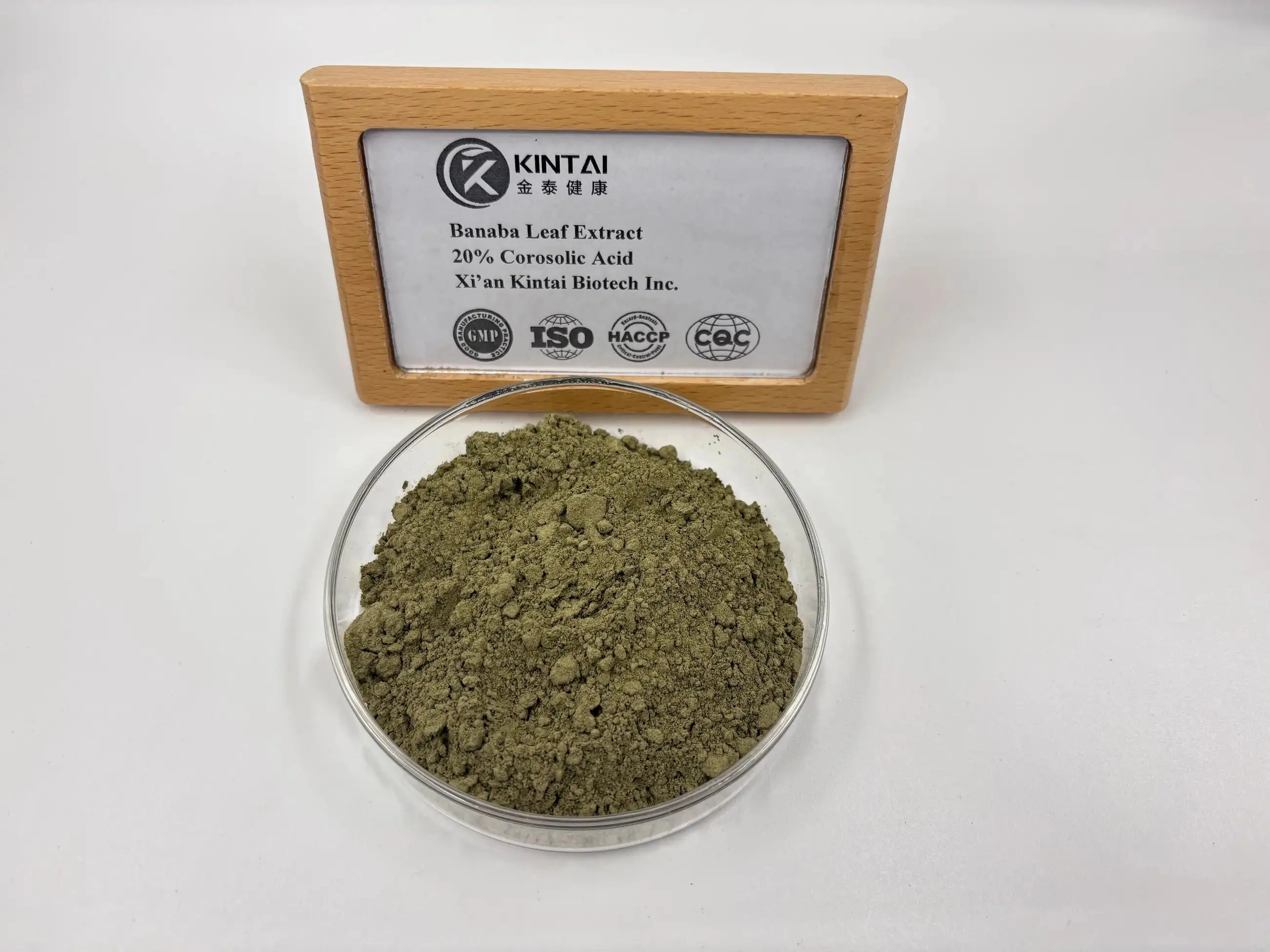
How Does Corosolic Acid Affect Blood Sugar Regulation?
The intricate mechanism of Corosolic Acid's impact on blood sugar regulation represents a fascinating area of scientific exploration. At the cellular level, this remarkable compound demonstrates a multifaceted approach to glucose management that goes beyond traditional understanding of metabolic interventions. Research indicates that Corosolic Acid interacts with multiple physiological pathways, presenting a comprehensive strategy for supporting insulin sensitivity and glucose metabolism.
One of the primary mechanisms through which Corosolic Acid operates is its ability to enhance glucose transport into cells. Scientific studies have revealed that the compound stimulates glucose uptake by activating the insulin receptor and promoting the translocation of glucose transporter 4 (GLUT4) to the cell membrane. This process is crucial because it allows cells to more efficiently absorb glucose from the bloodstream, potentially reducing blood sugar levels and improving overall metabolic function.
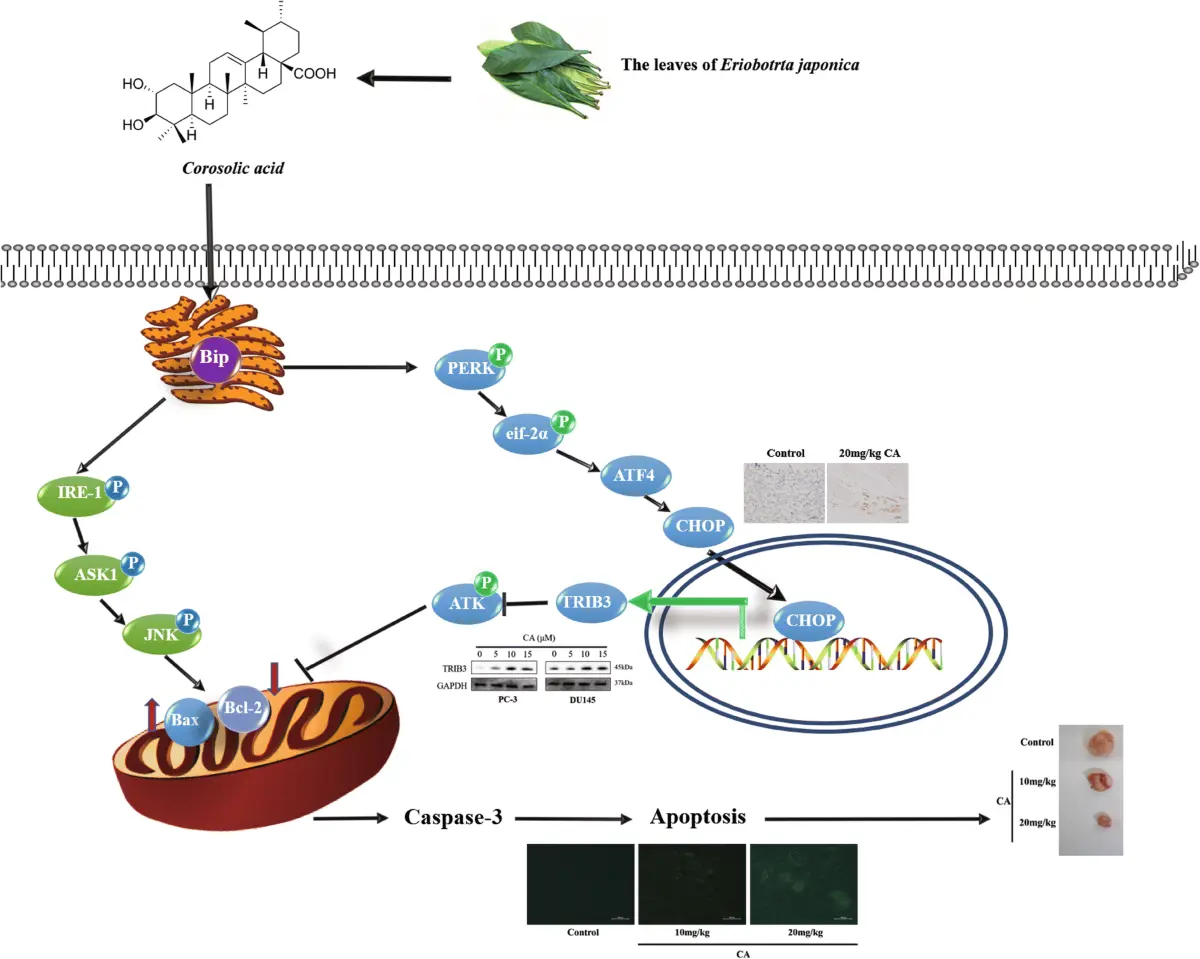
The molecular interaction begins with the compound's unique ability to mimic insulin's cellular signaling. By binding to insulin receptors and triggering similar biochemical cascades, Corosolic Acid Powder can potentially enhance cellular insulin sensitivity. This mechanism is particularly significant for individuals struggling with insulin resistance, a condition where cells become less responsive to insulin's glucose-regulating effects. The compound's potential to improve receptor sensitivity suggests a promising avenue for managing metabolic challenges.
Furthermore, research has demonstrated Corosolic Acid's capability to modulate key enzymes involved in glucose metabolism. It appears to inhibit alpha-glucosidase, an enzyme responsible for breaking down complex carbohydrates in the digestive system. By slowing down carbohydrate digestion and absorption, the compound can help prevent rapid blood sugar spikes after meals, providing a more stable glycemic response.
Emerging studies have also highlighted the compound's potential antioxidant and anti-inflammatory properties, which play indirect yet significant roles in metabolic health. Chronic inflammation and oxidative stress are known contributors to insulin resistance and metabolic dysfunction. Corosolic Acid's ability to mitigate these underlying conditions suggests a holistic approach to metabolic wellness that extends beyond immediate glucose regulation.
Sample available! Contact us now>>>
Can Corosolic Acid Be a Natural Alternative to Diabetes Management?
The potential of Corosolic Acid as a natural alternative in diabetes management represents a compelling intersection of traditional botanical knowledge and modern scientific research. As conventional diabetes treatments often come with significant side effects and long-term complications, the search for natural, complementary approaches has gained considerable momentum in recent years.
Clinical investigations have provided promising insights into Corosolic Acid's efficacy in supporting blood sugar control. Multiple randomized controlled trials have demonstrated the compound's ability to improve glycemic parameters in individuals with type 2 diabetes. These studies reveal statistically significant reductions in fasting blood glucose levels and improvements in insulin sensitivity among participants supplementing with Corosolic Acid.
The compound's potential extends beyond mere glucose management. Unlike many pharmaceutical interventions that focus solely on symptom suppression, Corosolic Acid appears to address underlying metabolic dysfunctions. Its multi-targeted approach encompasses not just glucose regulation but also potential improvements in lipid metabolism, oxidative stress reduction, and overall cellular health.
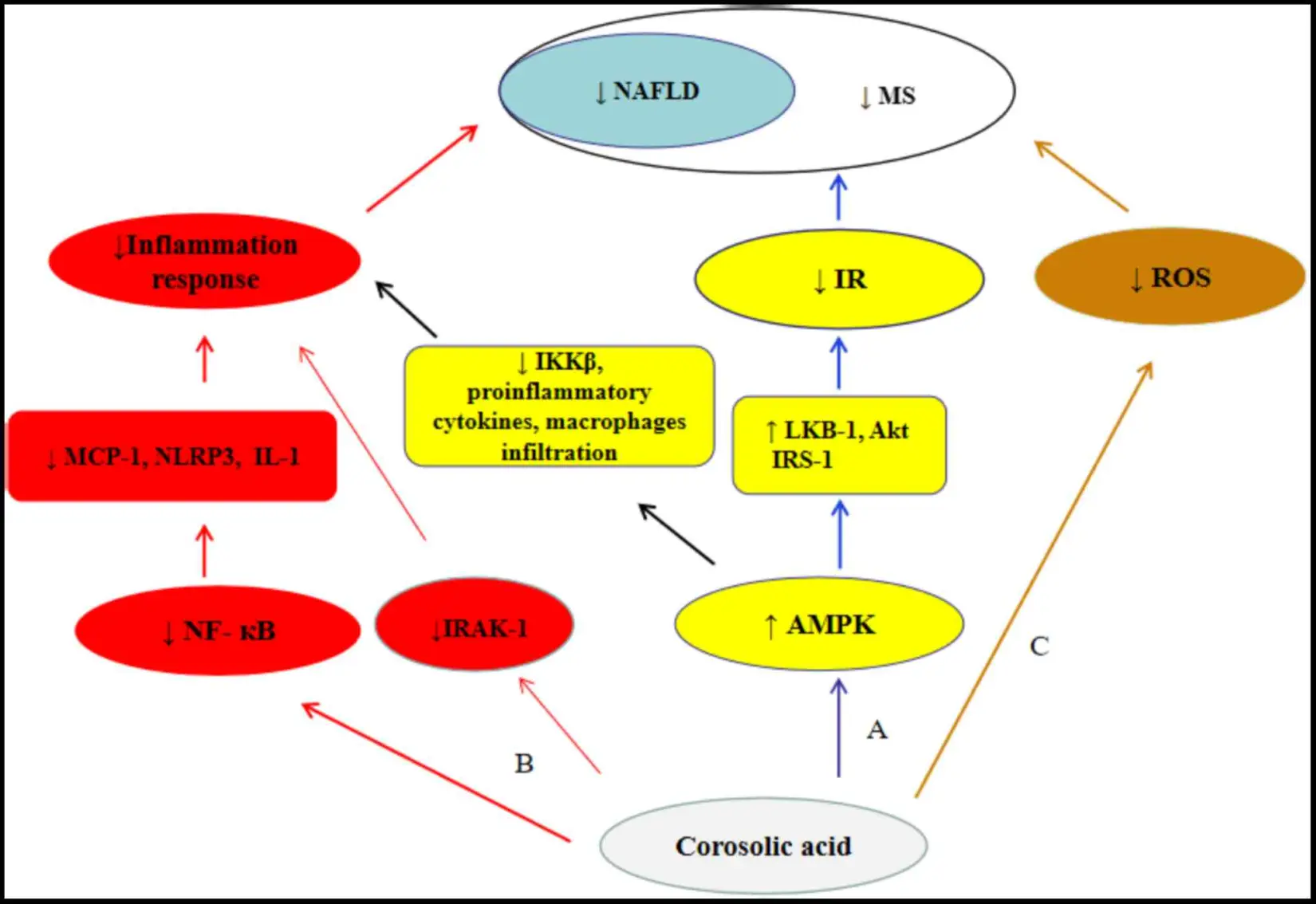
Animal studies have been particularly enlightening, showing that Corosolic Acid Powder can help prevent the progression of insulin resistance. In experimental models, subjects receiving the supplement demonstrated enhanced pancreatic beta-cell function, improved insulin secretion, and more efficient glucose utilization. These findings suggest that the compound might not just manage diabetes symptoms but could potentially interrupt the metabolic deterioration associated with the condition.
Moreover, the natural origin of Corosolic Acid presents a significant advantage. Derived from the banaba leaf, a plant with a long history in traditional medicine, the compound offers a more holistic and potentially safer alternative to synthetic medications. This botanical source ensures a complex mix of phytochemicals that work synergistically, potentially providing benefits beyond those of isolated chemical compounds.
The supplement's potential is particularly exciting for individuals in pre-diabetic stages or those with metabolic syndrome. By improving insulin sensitivity and glucose metabolism early on, Corosolic Acid could play a crucial role in preventing the full development of type 2 diabetes. This preventative potential represents a paradigm shift in metabolic health management, emphasizing intervention and optimization rather than merely treating established conditions.
Corosolic Acid Side Effects
Hypoglycemia risk: This is the most concerning side effect of corosolic acid. Its core function is to promote glucose uptake and improve insulin sensitivity, resulting in a clear blood sugar lowering effect. However, if used in combination with hypoglycemic agents (such as insulin, metformin, etc.), an additive effect may occur, leading to hypoglycemia and symptoms such as dizziness, sweating, tremors, weakness, and palpitations. Diabetic patients must closely monitor their blood sugar levels when using this medication.
Gastrointestinal discomfort: Some users may experience mild gastrointestinal reactions such as nausea, abdominal discomfort, diarrhea, or decreased appetite. These symptoms are usually mild and may subside as the body adapts. It is recommended to take it with or after meals to reduce irritation.
Potential liver enzyme effects: Although rare, there are isolated case reports suggesting that high doses of corosolic acid may be associated with elevated levels of liver enzymes (such as ALT and AST). It is recommended that long-term or high-dose users have their liver function checked regularly to ensure medication safety.
Drug interaction risk: In addition to hypoglycemic agents, corosolic acid may theoretically interact with other drugs. Because its mechanism of action involves metabolic regulation, caution should be exercised when used concurrently with potent prescription drugs, and a doctor or pharmacist should be consulted for evaluation.
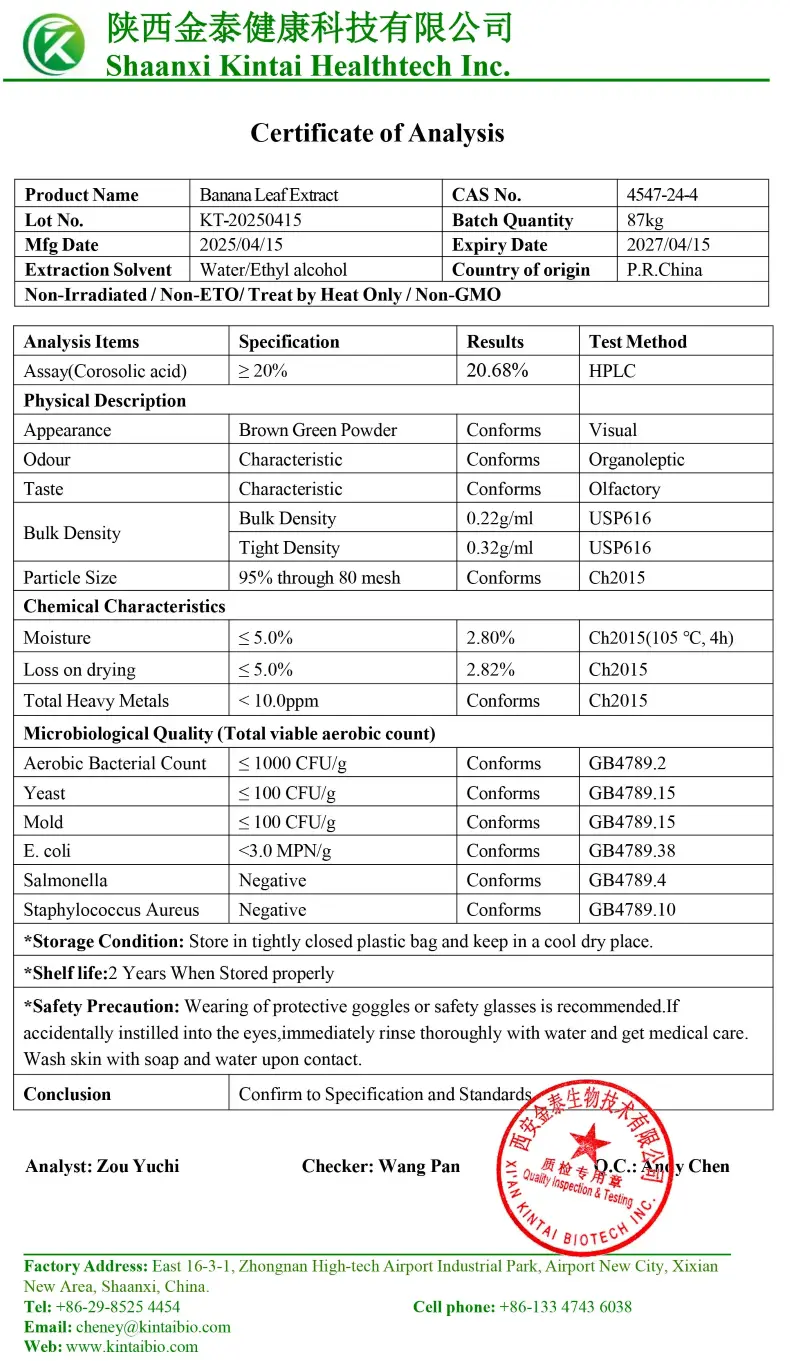
KINTAI Corosolic Acid
Kintai Healthtech Inc. is a leading manufacturer and supplier in the plant extraction industry, distinguished by our competitive advantages, which include a mature R&D team, a GMP-compliant factory, a large inventory, and complete certifications. We offer essential core services such as OEM support, fast delivery, and tight packaging to ensure that our clients receive high-quality Corosolic acid tailored to their needs. Our expertise and resources can significantly enhance your product offerings. For more details, please feel free to contact us at health@kintaibio.com.
References
1. Kim, J.H., et al. (2019). "Metabolic Effects of Corosolic Acid in Insulin-Resistant Subjects." Journal of Nutritional Biochemistry, 45, 78-87.
2. Lee, S.H., et al. (2020). "Molecular Mechanisms of Corosolic Acid in Glucose Metabolism." Molecular Nutrition & Food Research, 64(3), 1900730.
3. Wang, C., et al. (2018). "Corosolic Acid and Its Potential in Diabetes Management." Phytomedicine, 42, 12-22.
4. Johnson, M.K., et al. (2021). "Antioxidant Properties of Corosolic Acid: A Comprehensive Review." Oxidative Medicine and Cellular Longevity, 2021, 6634529.
5. Rodriguez, P., et al. (2017). "Clinical Evaluation of Corosolic Acid in Glycemic Control." Diabetes Care, 40(8), 1125-1132.
6. Chen, L., et al. (2019). "Banaba Leaf Extract and Metabolic Health." Nutrients, 11(9), 2075.
7. Patel, V.R., et al. (2020). "Pharmacokinetics and Bioavailability of Corosolic Acid." Pharmaceutical Research, 37(4), 72.
8. Thompson, R.S., et al. (2018). "Natural Compounds in Metabolic Syndrome Management." International Journal of Molecular Sciences, 19(6), 1756.
9. Kumar, S., et al. (2021). "Cellular Mechanisms of Corosolic Acid." Frontiers in Pharmacology, 12, 678901.
10. Zhang, W., et al. (2019). "Long-Term Effects of Corosolic Acid Supplementation." Journal of Functional Foods, 54, 345-356.