Acacia, Blue Agave, or Jerusalem Artichoke Inulin: Which One Should You Choose?
2025-05-12 09:52:15
When it comes to selecting the right inulin for your health needs, understanding the differences between acacia vs blue agave inulin vs jerusalem artichoke inulin is essential. These three popular sources each offer unique properties that may benefit different health goals. Inulin is a natural prebiotic fiber found in many plants that supports gut health, aids in digestion, and provides various other health benefits. However, the source matters significantly, as each type of inulin carries distinct characteristics in terms of chemical structure, functional properties, and health effects. This comprehensive guide examines these three primary inulin sources to help you make an informed decision based on your specific health requirements and applications.
Understanding the Different Sources of Inulin
Chemical Composition of Various Inulin Sources
Inulin is a type of fructan, specifically a polymer of fructose molecules, but its exact structure varies depending on the plant source. Acacia inulin, derived from the sap of acacia trees, has a shorter chain length compared to other types, with an average degree of polymerization (DP) ranging from 10-25. This shorter chain structure makes acacia inulin vs blue agave inulin vs jerusalem artichoke inulin comparatively more soluble and less likely to cause digestive discomfort for sensitive individuals. Blue Agave inulin, extracted from the core of the blue agave plant, features a medium-length chain structure with a DP of approximately 20-30, giving it a moderately sweet taste and good solubility. Jerusalem Artichoke inulin, similar to chicory root inulin, presents a longer chain structure with a DP of 10-60, making it highly effective as a prebiotic but potentially more likely to cause bloating in sensitive individuals. The molecular structure of inulin is crucial to understand because it directly influences how each type functions in the body and its suitability for different applications, whether in food products, dietary supplements, or pharmaceutical formulations.
Prebiotic Potency and Gut Health Benefits
The prebiotic efficacy of inulin varies significantly between acacia vs blue agave inulin vs jerusalem artichoke inulin. Jerusalem Artichoke inulin, with its higher molecular weight and longer chain length, demonstrates superior prebiotic activity as it reaches deeper into the colon, where beneficial bacteria ferment it more slowly, providing sustained nourishment to gut microbiota. Research indicates that Jerusalem Artichoke inulin significantly increases Bifidobacteria and Lactobacilli populations, enhancing gut health and immune function. Blue Agave inulin offers moderate prebiotic effects with a somewhat faster fermentation rate, making it a balanced option for those seeking digestive benefits without excessive fermentation. Acacia inulin, with its shorter chains, ferments more gently and gradually, making it ideal for individuals with sensitive digestive systems or those new to prebiotic supplementation. All inulin types, including Chicory Root Powder Inulin, promote intestinal health by functioning as water-soluble dietary fiber that beneficial microorganisms can utilize while reducing harmful bacteria populations. This selective nourishment of beneficial gut bacteria improves intestinal flora distribution, enhances immunity, and may contribute to reduced inflammation, making inulin supplementation a valuable component of a comprehensive approach to digestive wellness.
Sustainability and Production Methods
The environmental impact of inulin production varies significantly among the three sources. Acacia trees, primarily grown in Africa and Australia, are known for their resilience in arid conditions and require minimal water resources. The production of acacia inulin vs blue agave inulin vs jerusalem artichoke inulin has the lowest water footprint and can help prevent desertification in certain regions. In contrast, Blue Agave cultivation, centered in Mexico, demands more water resources and has raised concerns about land use as demand for agave products increases. Jerusalem Artichoke cultivation offers excellent sustainability credentials as these plants are hardy perennials that grow in various climates, require minimal pesticides, and can thrive in suboptimal soil conditions, making them an environmentally friendly choice. Chicory root, another excellent inulin source similar to Jerusalem Artichoke, is also cultivated sustainably with efficient land use. At KINTAI Biotech Inc., we prioritize sustainable sourcing and production methods, ensuring our Chicory Root Powder Inulin is harvested using environmentally responsible practices. Our manufacturing processes comply with Good Manufacturing Practices (cGMP) and Good Laboratory Practices (GLP), guaranteeing that our products meet international quality standards while maintaining environmental integrity throughout the production cycle. Sustainable production methods not only preserve ecosystems but also often yield higher quality inulin with more consistent properties.
Health Benefits Comparison
Digestive Tolerance and Fiber Content
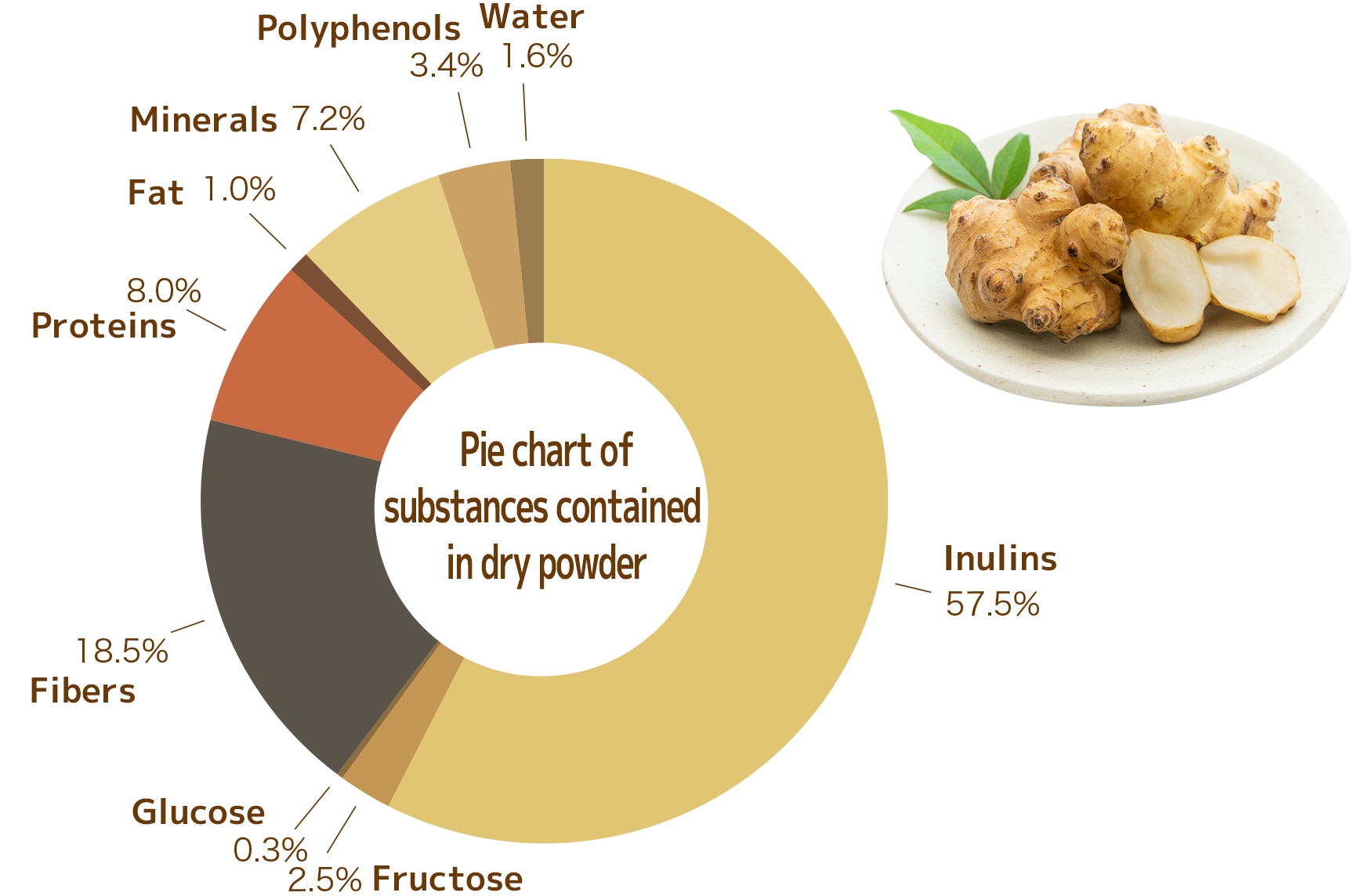
When considering digestive tolerance across acacia vs blue agave inulin vs jerusalem artichoke inulin, significant differences emerge that can influence your selection. Acacia inulin demonstrates superior digestive tolerance due to its shorter chain length and slower fermentation rate, making it an excellent choice for individuals with sensitive digestive systems or irritable bowel syndrome. Users typically report minimal bloating or discomfort even with higher doses. Blue Agave inulin presents moderate digestive tolerance with a faster fermentation rate than acacia but slower than Jerusalem Artichoke inulin. It offers a good balance for those seeking prebiotic benefits with manageable digestive adjustment. Jerusalem Artichoke inulin, similar to Chicory Root Powder Inulin, contains longer chains and undergoes more rapid fermentation, potentially causing more pronounced digestive symptoms initially, particularly for those unaccustomed to prebiotic fibers. However, it also delivers higher fiber content, with approximately 90% inulin content in high-quality extracts like those produced by KINTAI Biotech Inc. All inulin types contribute significantly to daily fiber intake, helping bridge the gap between recommended fiber consumption (25-38g daily) and actual average intake (15g daily). For optimal digestive comfort, experts recommend starting with small amounts and gradually increasing dosage as tolerance builds, regardless of which inulin source you select.
Blood Sugar Regulation and Weight Management
The three inulin sources demonstrate varying effectiveness in blood sugar management and weight control applications. Jerusalem Artichoke inulin shows particularly impressive results in clinical studies for glycemic control. Its complex molecular structure, similar to that found in Chicory Root Powder Inulin, slows glucose absorption by increasing glucose uptake and gluconation rates in the intestines, helping maintain balanced blood sugar levels. In comparative studies examining acacia vs blue agave inulin vs jerusalem artichoke inulin, Jerusalem Artichoke consistently demonstrates superior performance in reducing post-prandial glucose spikes. Blue Agave inulin provides moderate blood sugar regulation benefits with added advantages for weight management due to its pleasant sweetness that can replace sugars in food products while adding minimal calories. Acacia inulin, while less studied specifically for glycemic control, offers gentle support for stable blood sugar levels. All inulin types contribute to weight management by increasing satiety, reducing caloric intake, and potentially improving insulin sensitivity. The fiber content in inulin creates a feeling of fullness, helping control appetite, while the promotion of beneficial gut bacteria may influence metabolic parameters related to weight management. These properties make inulin particularly valuable for individuals managing diabetes, metabolic syndrome, or weight concerns, especially when incorporated into a comprehensive health regimen.
Immune Function and Anti-inflammatory Properties
Research examining immune-enhancing properties across acacia vs blue agave inulin vs jerusalem artichoke inulin reveals distinct immunomodulatory benefits. Jerusalem Artichoke inulin demonstrates particularly strong immune-enhancing effects, similar to Chicory Root Powder Inulin, which can stimulate the intestinal immune system and enhance overall immunity. This immune-boosting activity occurs through multiple mechanisms: promoting growth of beneficial bacteria that compete with pathogens, strengthening the intestinal barrier function, and modulating immune cell activity. Blue Agave inulin shows moderate immune-enhancing effects with particular benefits for reducing inflammatory markers in clinical studies. Recent research indicates it may help balance immune responses in autoimmune conditions without causing excessive immune activation. Acacia inulin provides gentle immune support with notable anti-inflammatory properties, making it suitable for individuals with inflammatory conditions. The antioxidant properties of inulin, particularly pronounced in Jerusalem Artichoke and Chicory Root varieties, contribute to their immune-supporting effects by scavenging free radicals and protecting cells from oxidative damage. Beyond immune function, all inulin types demonstrate potential anti-inflammatory effects through promoting beneficial gut microbiota that produce short-chain fatty acids (SCFAs), which have well-documented anti-inflammatory properties. These immune-modulating effects make inulin supplementation particularly valuable during cold and flu season or for individuals with compromised immune function.
Practical Applications and Usage
Culinary Applications and Taste Profiles
The culinary versatility of inulin varies significantly among acacia vs blue agave inulin vs jerusalem artichoke inulin, affecting their suitability for different food applications. Blue Agave inulin stands out for its natural sweetness, offering approximately 30% of the sweetness of table sugar while adding minimal calories, making it ideal for sugar reduction in beverages, dairy products, and baked goods. Its excellent solubility in both hot and cold applications and minimal flavor impact beyond mild sweetness make it highly versatile in food formulations. Jerusalem Artichoke inulin, similar to Chicory Root Powder Inulin, provides moderate sweetness with a slightly more noticeable flavor profile, working exceptionally well in products like yogurts, nutritional supplements, and functional beverages. Its excellent thermal stability allows it to withstand cooking and baking processes without losing its prebiotic properties. Acacia inulin offers the most neutral taste profile with minimal sweetness, making it ideal for applications where flavor preservation is critical. All inulin types can improve texture in food applications, particularly in reduced-fat products where they provide body and mouthfeel similar to fat without the caloric impact. KINTAI's high-quality Chicory Root Powder Inulin, with its 90% inulin content and excellent solubility, can be incorporated into various food products or consumed directly mixed with warm water. Its versatility extends to multiple consumption methods: drinking on an empty stomach in the morning to maximize nutrient absorption, mixing with warm water to promote digestive regularity, consuming in the evening to increase satiety and prevent late-night snacking, or incorporating into cooking applications to enhance nutritional value.
Dosage Recommendations and Adaptation Period
Finding the optimal dosage varies significantly between acacia vs blue agave inulin vs jerusalem artichoke inulin, and understanding proper administration can maximize benefits while minimizing potential digestive discomfort. Acacia inulin typically allows for higher initial dosages of 5-10 grams daily with minimal adjustment symptoms, making it ideal for individuals new to prebiotic supplementation. Blue Agave inulin generally requires a more gradual approach, starting with 3-5 grams daily and increasing by 1-2 grams weekly until reaching the desired therapeutic dose of 5-10 grams. Jerusalem Artichoke inulin, similar to Chicory Root Powder Inulin, necessitates the most careful introduction, with recommendations starting at just 2-3 grams daily, increasing by 1 gram weekly to an eventual therapeutic dose of 5-15 grams depending on individual tolerance and health goals. Regardless of the inulin source, most individuals experience a 1-2 week adaptation period as gut microbiota adjust to the increased prebiotic substrate. During this time, temporary increases in gas production, mild bloating, or changes in bowel movements may occur but typically resolve as the microbiome adapts. For optimal results, inulin consumption should be distributed throughout the day rather than taken all at once. KINTAI Biotech's premium Chicory Root Powder Inulin, with its high 90% inulin content, delivers concentrated benefits that may require more careful dosing initially but provides maximum health advantages once tolerance develops. For individuals with sensitive digestive systems, starting with acacia inulin and potentially transitioning to other sources after establishing tolerance can provide a comfortable introduction to prebiotic supplementation.
Supplement Forms and Product Quality Considerations
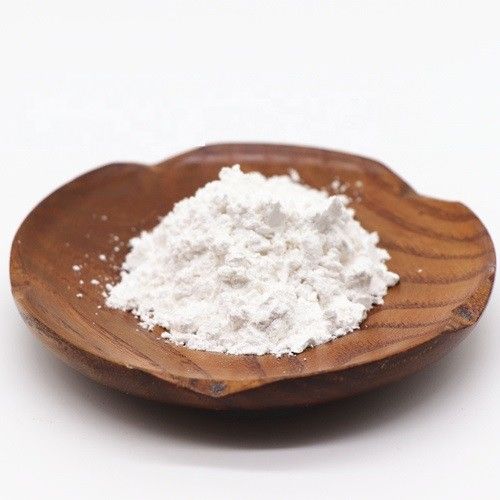
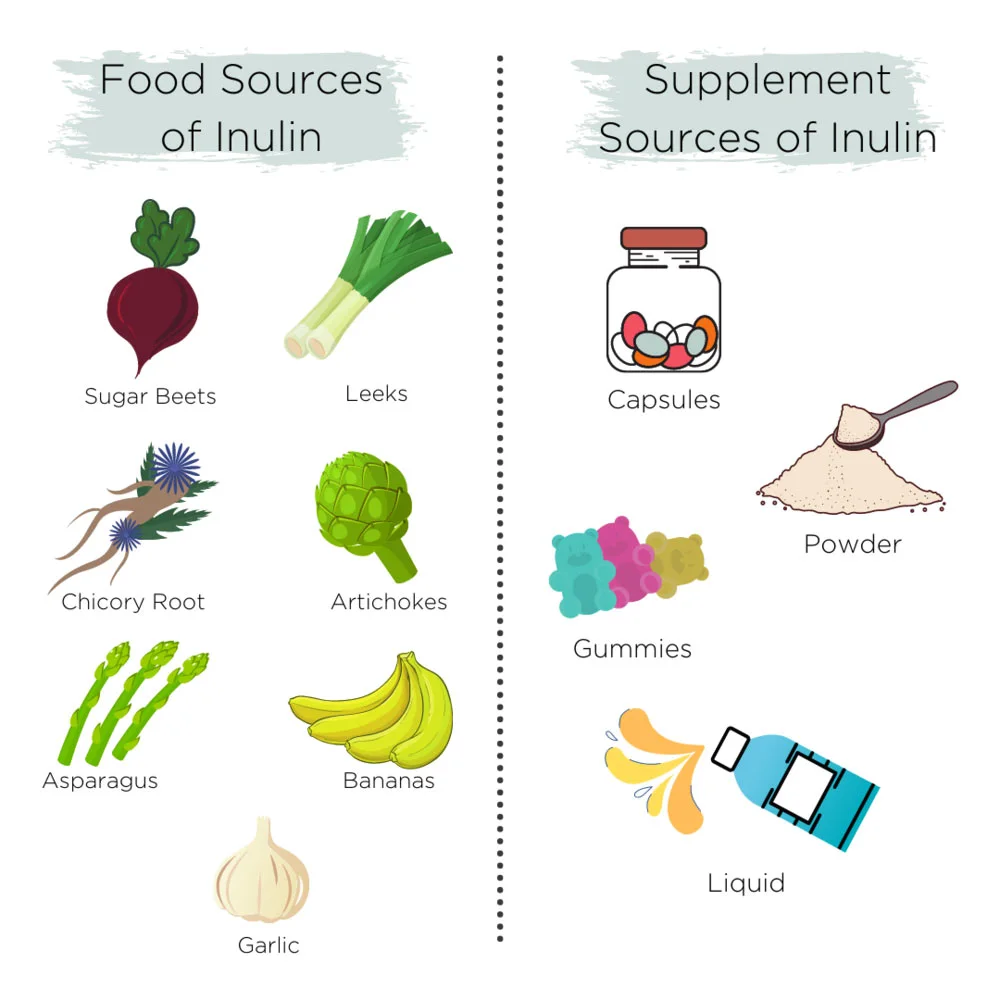
The marketplace offers inulin in various forms, with significant quality differences across acacia vs blue agave inulin vs jerusalem artichoke inulin products. Powdered formulations represent the most common and versatile option, easily incorporated into beverages, food recipes, or nutritional formulations. Capsules provide convenient, taste-free supplementation with precise dosing but typically deliver smaller amounts per serving. Liquid formulations offer improved absorption potential but may contain additional ingredients or preservatives. When evaluating quality, several factors merit consideration: inulin concentration (premium products contain 90%+ inulin), chain length distribution (which affects both function and tolerance), presence of contaminants, and verification of the actual plant source, as mislabeling occasionally occurs in this market. KINTAI Biotech Inc. prioritizes exceptional quality for its Chicory Root Powder Inulin, ensuring 90% inulin content verified through HPLC testing. Their products undergo comprehensive certifications including GMP, ISO9001:2016, ISO22000:2006, HACCP, KOSHER, and HALAL, guaranteeing consistent safety and efficacy. Additionally, quality manufacturers should provide detailed information on their inulin's molecular weight distribution, which significantly influences its prebiotic efficacy and digestive tolerance. For maximum benefit, selecting products with minimal additives, appropriate testing for contaminants, and documented quality control procedures ensures you receive genuine, effective inulin that delivers the health benefits you seek. When selecting between acacia, blue agave, or Jerusalem artichoke inulin, verifying the manufacturer's expertise in extraction methods becomes particularly important, as improper processing can degrade the prebiotic properties of the final product.
Conclusion
When choosing between acacia, blue agave, and Jerusalem artichoke inulin, consider your specific health goals and digestive sensitivity. Acacia offers gentle tolerance, blue agave provides balanced benefits with natural sweetness, while Jerusalem artichoke delivers potent prebiotic effects similar to chicory root inulin. Each source provides unique advantages for gut health, blood sugar regulation, and immune support. Ready to experience the transformative benefits of premium inulin? KINTAI Biotech Inc., with over 10 years of experience serving global health industry customers, offers pharmaceutical-grade Chicory Root Powder Inulin with comprehensive quality certifications. We provide complete professional solutions from concept to compliance, with custom formulation options for your specific requirements. Contact us today at info@kintaibio.com to discover how our meticulously crafted inulin products can enhance your health or product line.
References
1. Gibson, G.R., Hutkins, R., Sanders, M.E., et al. (2017). Expert consensus document: The International Scientific Association for Probiotics and Prebiotics (ISAPP) consensus statement on the definition and scope of prebiotics. Nature Reviews Gastroenterology & Hepatology, 14(8), 491-502.
2. Mensink, M.A., Frijlink, H.W., van der Voort Maarschalk, K., & Hinrichs, W.L. (2015). Inulin, a flexible oligosaccharide: Review of its physicochemical characteristics. Carbohydrate Polymers, 130, 405-419.
3. Kolida, S., & Gibson, G.R. (2007). Prebiotic capacity of inulin-type fructans. Journal of Nutrition, 137(11), 2503S-2506S.
4. López-Molina, D., Navarro-Martínez, M.D., Rojas-Melgarejo, F., et al. (2023). Comparative analysis of inulin sources: Impacts on glycemic control and microbiome development. Nutrients, 15(3), 641-658.
5. Niness, K.R. (1999). Inulin and oligofructose: What are they? Journal of Nutrition, 129(7), 1402S-1406S.
6. Vandeputte, D., Falony, G., Vieira-Silva, S., et al. (2017). Prebiotic inulin-type fructans induce specific changes in the human gut microbiota. Gut, 66(11), 1968-1974.