

In the rapidly evolving nutritional supplement industry, two ingredients have emerged as core substances for cellular health: PQQ (pyrroloquinoline quinone) and Coenzyme Q10 (CoQ10). For B2B raw material suppliers or manufacturers, a deep understanding of these two compounds is crucial for positioning your products in a market increasingly driven by scientific endorsement and efficacy. Jintai is a manufacturer and supplier of PQQ and CoQ10. Please contact us if you require wholesale bulk orders at info@kintaibio.com.
What is PQQ?
Pyrroloquinoline Quinone, is a small molecule quinone compound that has attracted widespread attention in the nutritional science community in recent years. Often referred to as a vitamin-like compound because it was initially discovered as a cofactor for bacterial enzymes, subsequent research has revealed its profound importance in mammalian biology, particularly in cellular energy metabolism and mitochondrial health.
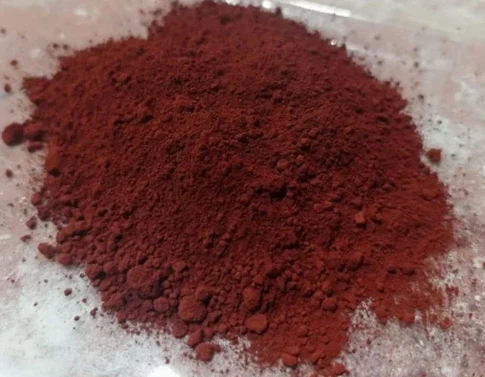
Chemically, PQQ is a redox cofactor belonging to the quinone family. Unlike traditional vitamins, the human body can only synthesize trace amounts of PQQ, making dietary intake and supplementation crucial to realizing its health benefits. It is also a potent antioxidant, far more efficient at scavenging free radicals than many traditional antioxidants. It can undergo thousands of redox cycles, continuously neutralizing damaging reactive oxygen species without being consumed. This allows it to protect existing mitochondria from oxidative damage while promoting the growth of new mitochondria.For B2B buyers, these mechanistic insights can translate into powerful marketing claims: PQQ Powder supports mitochondrial health, promotes cellular energy production, and provides superior antioxidant protection, all supported by peer-reviewed research.
What is coq10?
Coenzyme Q10 (CoQ10), also known as ubiquinone, is a lipid-soluble compound naturally present in the cell membranes of every cell in the human body, with the highest concentration found in the inner mitochondrial membrane. Its name derives from two characteristics: its ubiquitous presence in the body (hence the name ubiquinone) and the presence of 10 isoprene units in its chemical structure (hence the name Q10). This naming convention itself reflects its fundamental role in living organisms.
CoQ10 plays an indispensable role in cellular energy production. Located in the inner mitochondrial membrane, it acts as an electron carrier in the electron transport chain, participating in the synthesis of adenosine triphosphate (ATP). Specifically, coenzyme Q10 receives electrons from complexes I and II in the electron transport chain and then transfers them to complex III, thereby driving the formation of the proton gradient, the direct driving force behind ATP synthesis. Without sufficient, the efficiency of this process is significantly reduced, leading to decreased energy production and increased oxidative stress, which in turn affects the function of various organs throughout the body.

Beyond its central role in energy production, Coenzyme Q10 is a powerful fat-soluble antioxidant that uniquely locates in cell membranes and lipoproteins, protecting cells from lipid peroxidation. Lipid peroxidation is a process that breaks down fat molecules in cell membranes, impairing their integrity and function. More importantly, it possesses an exceptional ability to regenerate other antioxidants, including vitamin E and vitamin C. This means it can reactivate these used antioxidants, extending their protective effects throughout the body to form a synergistic antioxidant network. CoQ10 represents a mature and stable ingredient with decades of safety data and widespread consumer recognition, making it a reliable base for any formulation targeting energy, heart health, or healthy aging.
pQQ vs coq10
While both PQQ and Coenzyme Q10 support mitochondrial function and cellular energy metabolism, they operate through fundamentally different mechanisms and offer distinct health benefits. Understanding these differences is crucial for formulators and B2B buyers to create targeted and effective products.

In terms of primary function, CoQ10 primarily supports energy production in existing mitochondria, helping them function more efficiently; while PQQ focuses on promoting the generation of new mitochondria, a process known as mitochondrial biosynthesis. This means that Coenzyme Q10 optimizes existing resources, while PQQ adds new resources; functionally, they are complementary rather than competitive. In terms of core benefits, Coenzyme Q10 excels in heart health, energy optimization, and antioxidant protection; while pyrroloquinoline quinone's core benefits are concentrated in brain health, mitochondrial regeneration, and cognitive support.
For B2B buyers, perhaps the most important insight is that PQQ and Coenzyme Q10 are not competitors, but perfect partners. Their mechanisms are perfectly complementary: it builds new mitochondrial factories, while CoQ10 Powder ensures existing factories operate at peak efficiency. To illustrate, if we compare cells to an industrial park, then it is responsible for expanding new facilities, while Coenzyme Q10 is responsible for optimizing the efficiency of existing production lines. This complementary relationship makes them an ideal combination of ingredients in formulations targeting areas such as healthy aging, cognitive performance, athletic endurance and recovery, and metabolic health.
What are pqq and coq10 benefits?
Scientific literature confirms that both PQQ and Coenzyme Q10 offer a wide range of health benefits. PQQ's primary benefit lies in supporting cognitive function and brain health. Its neuroprotective properties can protect against β-amyloid damage, reverse cognitive impairment caused by chronic oxidative stress, and improve memory performance. Secondly, PQQ Powder promotes mitochondrial biosynthesis, enhancing cellular energy production by increasing the number of healthy mitochondria, particularly benefiting high-energy-demand tissues such as the brain, heart, and muscles. Thirdly, it supports cardiovascular and metabolic health by activating AMPK. Fourthly, pyrroloquinoline quinone has anti-inflammatory effects, reducing inflammatory markers and enhancing antioxidant capacity, showing potential value for chronic inflammation-related diseases.
Coenzyme Q10's benefits are equally broad and profound. Its most well-known benefit is cardiovascular health support-the heart, with its highest energy demands, has the most mitochondria, and Coenzyme Q10 Powder can enhance myocardial contractility, maintain endothelial health, and help maintain normal blood pressure. Secondly, it supports energy production and athletic performance by promoting ATP synthesis, improving exercise endurance, reducing fatigue, and accelerating recovery. Thirdly, Coenzyme Q10 provides powerful antioxidant protection while regenerating vitamins E and C, forming a comprehensive defense network. Fourth, it excels in neurological support and has been studied in progressive supranuclear palsy (PSP), age-related cognitive support, and as an adjunct treatment for migraines.
When PQQ is used in combination with Coenzyme Q10, the two produce a synergistic effect that surpasses that of either ingredient alone. For B2B buyers, the combined formulation of PQQ and Coenzyme Q10 offers the strongest value proposition, supporting higher product pricing and market differentiation.
pQQ and coq10 side effects

Both Coenzyme Q10 and PQQ have excellent safety records. Coenzyme Q10 has been researched and validated for over 50 years, with a side effect rate of less than 1% (mild gastrointestinal discomfort), and slight interactions with warfarin and antihypertensive drugs. It has been granted GRAS (Generally Recognized As Safe) designation by the FDA. PQQ has been researched for over 20 years, with side effects also less than 1% (occasionally mild headaches), no known drug interactions, and is also GRAS-certified. Neither has absolute contraindications; pregnant and breastfeeding women are advised to consult a doctor before use. Product labels should include warnings such as keep out of reach of children, consult a doctor if pregnant or taking this medication, and store in a cool, dark place. Both ingredients are suitable for long-term daily use and do not require forced cycling.
Where to buy the best PQQ And Coq10?
Healthkintai®'s PQQ and Coenzyme Q10 powders are a trusted professional choice for B2B clients in the field of cell health raw materials. Regarding quality, each batch of our PQQ and CoQ10 undergoes rigorous HPLC testing by a third-party laboratory and comes with a complete Certificate of Analysis (COA). Heavy metals, solvent residues, and microbial indicators fully comply with international standards, ensuring you receive safe raw materials with high activity and low impurities. In terms of formulation adaptation, we deeply understand the industry pain points of Coenzyme Q10's poor lipid solubility and low absorption rate. We offer various customized forms such as solubilized and microencapsulated formulations, flexibly adapting to different dosage forms such as soft capsules, tablets, and beverages. Meanwhile, PQQ powder has good flowability and high stability, effectively simplifying your production process and reducing process complexity. Regarding supply chain security, we hold multiple international certifications including GMP, ISO, and Halal. From sample testing to mass production, we provide full technical support and customs clearance assistance, ensuring timely and safe delivery of every order. Choosing us means you not only obtain high-purity, high-stability, high-quality raw materials, but also a technically savvy, reliable, and long-term partner committed to mutual growth. Contact us at info@kintaibio.com.

FAQ
Q: Can PQQ and CoQ10 be taken together?
A: Yes, and it is highly recommended. The two compounds play complementary roles in mitochondrial health: PQQ promotes the creation of new mitochondria (mitochondrial biogenesis), while CoQ10 optimizes the energy output of existing mitochondria.
Q: What are the recommended dosages for PQQ and CoQ10?
A: For general wellness maintenance, the recommended dosage for CoQ10 is 100-300 mg per day, and for PQQ is 10-20 mg per day. Specific dosages should be adjusted based on the target audience and product positioning: cardiovascular support formulas typically emphasize CoQ10 (200-300 mg/day), cognitive support formulas emphasize PQQ (20 mg/day), and combination products typically use 10-20 mg of PQQ with 100-300 mg of CoQ10.
Q: Do PQQ and CoQ10 interact with medications?
A: CoQ10 has a few mild drug interactions: it has a theoretical interaction with warfarin (blood thinner), so INR monitoring is recommended; it may reduce statin-associated muscle symptoms when taken with statin medications (generally considered beneficial rather than adverse); and it may have a mild blood pressure-lowering effect when taken with antihypertensive medications. PQQ has no known significant drug interactions, making it an attractive ingredient choice for a wide range of formulations.
Q: What is the difference between Ubiquinone and Ubiquinol forms of CoQ10? Which one should I choose?
A: Ubiquinone is the oxidized form of CoQ10, the most common supplemental form. It is stable, well-studied, and cost-effective, making it suitable for most standard formulations. Ubiquinol is the reduced form, which has higher bioavailability but lower stability and a higher price point, making it suitable for premium product lines. The human body can convert between both forms as needed, and both effectively support cellular energy production. For most B2B applications, Ubiquinone offers the better value proposition.
Q: How should PQQ and CoQ10 powders be stored to maintain stability?
A: PQQ powder should be stored at room temperature, protected from direct sunlight (light-sensitive), kept in low-humidity conditions with desiccants (hygroscopic), and stored below 30°C (86°F). CoQ10 powder is stable under normal conditions and can also be stored at room temperature, avoiding extreme temperatures and humidity. Both ingredients do not require refrigeration but should be kept sealed in a cool, dry place away from strong oxidizing agents and strong bases.