When sourcing savory food ingredients, B2B clients often face a common challenge,how to ensure rich flavor and full-bodied taste while maintaining a clean label that today's consumers can trust. The relationship between yeast extract and monosodium glutamate (MSG) is indeed subtle, enough to cause ongoing confusion within the industry. Given that consumers in many markets still have reservations about monosodium glutamate, food manufacturers are increasingly turning to yeast extract as a natural alternative. Healthkintai® is a manufacturer and supplier of yeast extract, providing you with yeast extract powder. Contact us at info@kintaibio.com.
What is yeast extract?
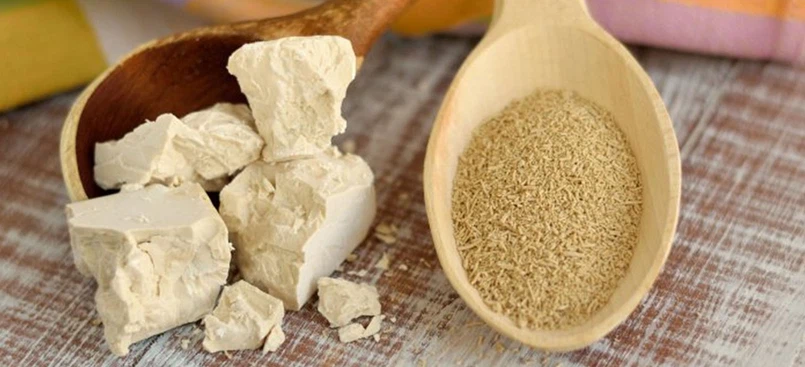
Yeast extract is a natural food ingredient primarily derived from brewer's yeast. It contains approximately 60-70% protein, the exact percentage depending on the yeast strain and processing method, as well as free amino acids, peptides, nucleotides, B vitamins, minerals, and functional polysaccharides like beta-glucan and mannan. Crucially, yeast extract is not a single compound but a whole-food derived ingredient with a rich matrix of natural substances, where various components work synergistically. Because it is produced through traditional food processing methods rather than chemical synthesis, it meets the standards for natural ingredients under most international regulations and can be labeled simply as yeast extract or natural flavoring. This is a significant advantage in a market increasingly favoring identifiable, minimally processed ingredients.
What is MSG?
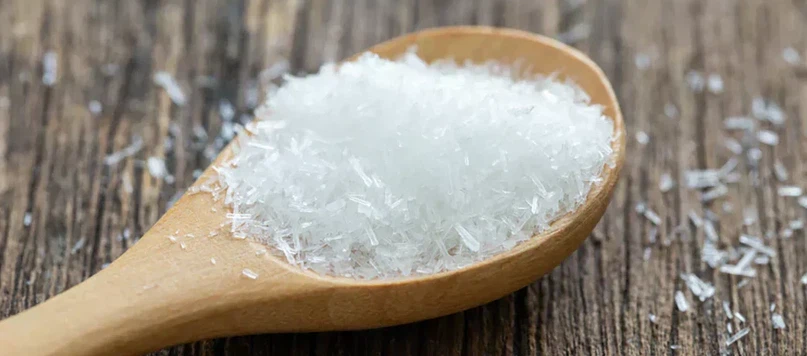
MSG is the abbreviation for monosodium glutamate, the sodium salt of glutamic acid. It is a single compound obtained through industrial fermentation and crystallization purification. When added to food, MSG dissociates into free sodium ions and free glutamate, directly stimulating umami receptors on the tongue. This makes MSG a highly efficient and cost-effective flavor enhancer, requiring small amounts, producing rapid results, and exhibiting highly predictable and stable sensory effects in various applications. However, this purity itself has become a double-edged sword in the market. Although the U.S. Food and Drug Administration lists MSG as a generally considered safe substance, and scientific organizations such as the World Health Organization and the Joint FAO/WHO Expert Committee on Food Additives have repeatedly confirmed its safety, MSG still carries the consumer prejudice stemming from anecdotal reports of "Chinese restaurant syndrome" in the late 1960s.
Is Yeast Extract the same as MSG?
This is a core question every formulator and buyer faces when evaluating these ingredients. Answering it requires a delicate distinction between the presence of the chemical substance and the ingredient's true identity. Yeast extract is absolutely not MSG, although it naturally contains glutamic acid, the amino acid that gives MSG its umami flavor. The key difference lies in the form in which glutamic acid exists.In MSG, glutamic acid exists as a purified, free sodium salt, at a concentration close to 100%. In yeast extract, glutamic acid is primarily bound to proteins and peptides, with only a portion in a free state, and it coexists with dozens of other amino acids, nucleotides, minerals, and cellular components. This distinction has significant regulatory and labeling implications.
The U.S. Food and Drug Administration (FDA) explicitly classifies baker's yeast extract as a separate food ingredient in federal regulations. It is obtained by concentrating the soluble components of mechanically disrupted yeast cells and has specific regulations regarding protein content, heavy metal limits, and microbiological standards. It is approved for use as a flavoring agent and adjuvant, with a maximum usage of 5% in food. MSG, on the other hand, is regulated separately and must be labeled as monosodium glutamate.
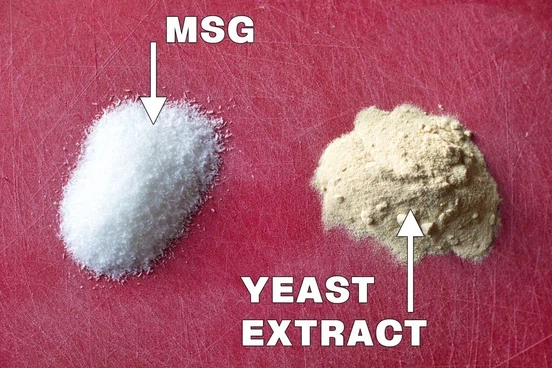
Sensory studies confirmed that while yeast extract can produce umami and saltiness enhancement effects similar to MSG, its intensity and characteristics differ. Yeast extract achieves comparable umami and saltiness enhancement effects to MSG at a lower dosage. Furthermore, it's noteworthy that higher concentrations of yeast extract do not suppress chicken flavor as some other alternatives do. The study also observed that yeast extract contributes additional flavor dimensions, including subtle fruity notes, which MSG alone cannot provide. For B2B buyers, this means yeast extract is a more complex flavor-building tool, rather than a simple MSG substitute.
What's Yeast Extract benefits?
Beyond its primary function as a flavor enhancer, yeast extract offers a range of functional and nutritional benefits, making it highly valuable across multiple food and beverage categories. From a flavor perspective, yeast extract does more than just provide umami; it enhances body, masks unpleasant flavors in plant-based proteins and low-sodium formulations, and contributes to overall taste complexity. Nutritionally, yeast extract provides a significant amount of protein. Furthermore, it contains substantial amounts of B vitamins, minerals such as zinc and selenium, and bioactive compounds like beta-glucan.
Is yeast extract safe?
Yeast extract boasts an extremely solid safety record, thanks to decades of use and formal regulatory approval. Internationally, food safety agencies, including the European Food Safety Authority, also recognize yeast extract and do not set usage limits in most food categories. It is important to emphasize that concerns about the potential impact of naturally occurring glutamate in yeast extract should be understood within a broader context: glutamate is one of the most abundant amino acids in almost all protein-containing foods, including tomatoes, mushrooms, aged cheeses, and even human breast milk. The human body metabolizes free and bound glutamate in exactly the same way, and endogenous glutamate plays a crucial physiological role as a neurotransmitter and metabolic intermediate. For the vast majority of consumers, yeast extract poses no safety concerns.

Where to buy the best Yeast Extract?
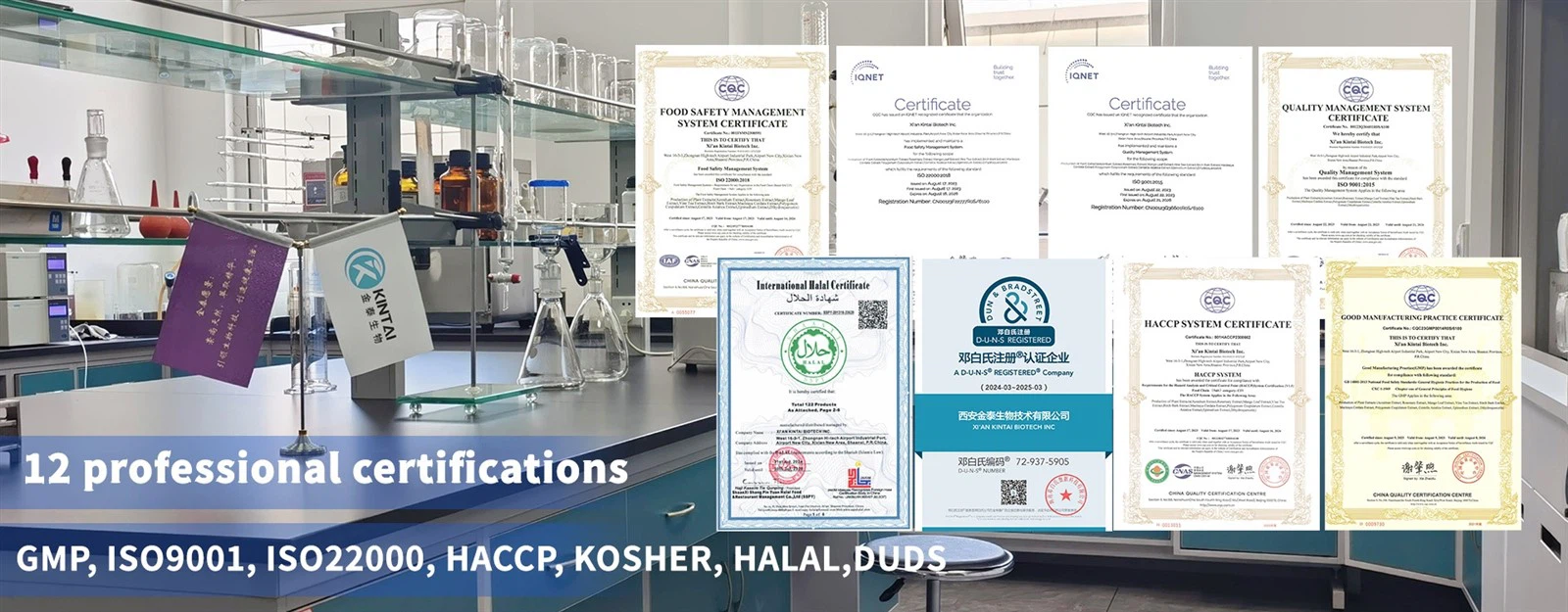
Choosing our Yeast Extract Powder offers several advantages. Firstly, we provide a full range of products in various specifications. Whether you need fine granules for dry powder seasonings, we can precisely match your production process requirements. Secondly, we adhere to a quality control system that exceeds international standards, ensuring a high degree of consistency in the flavor of your final product. Thirdly, our comprehensive certification system-covering ISO 22000, HACCP, and Halal certifications-gives you peace of mind during supply chain audits. We understand that B2B clients' formulations are not all the same, so we have a dedicated customization service team that can tailor the product's dissolution rate and flavor profile to your specific needs, creating a uniquely competitive flavor solution. Buy yeast extract powder,contact us at info@kintaibio.com.