

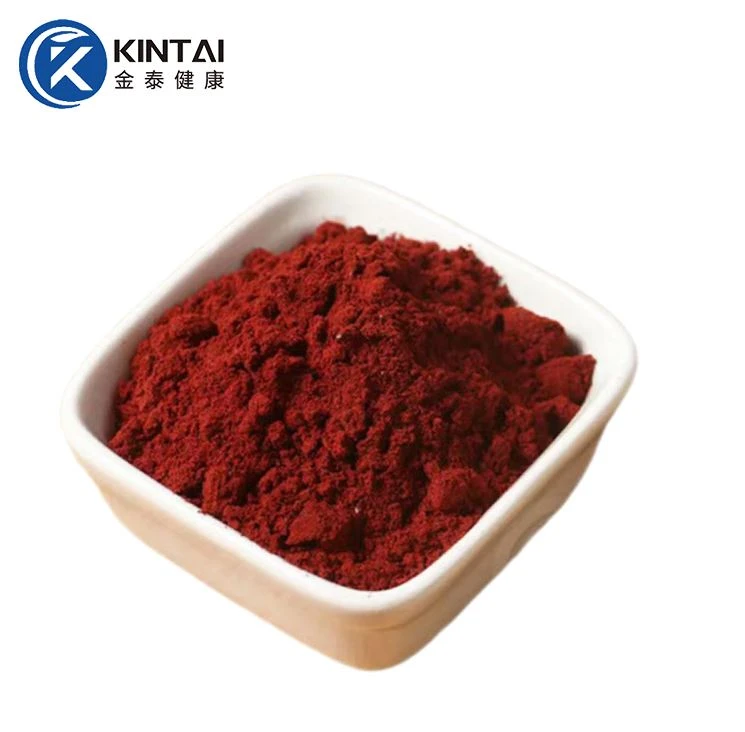
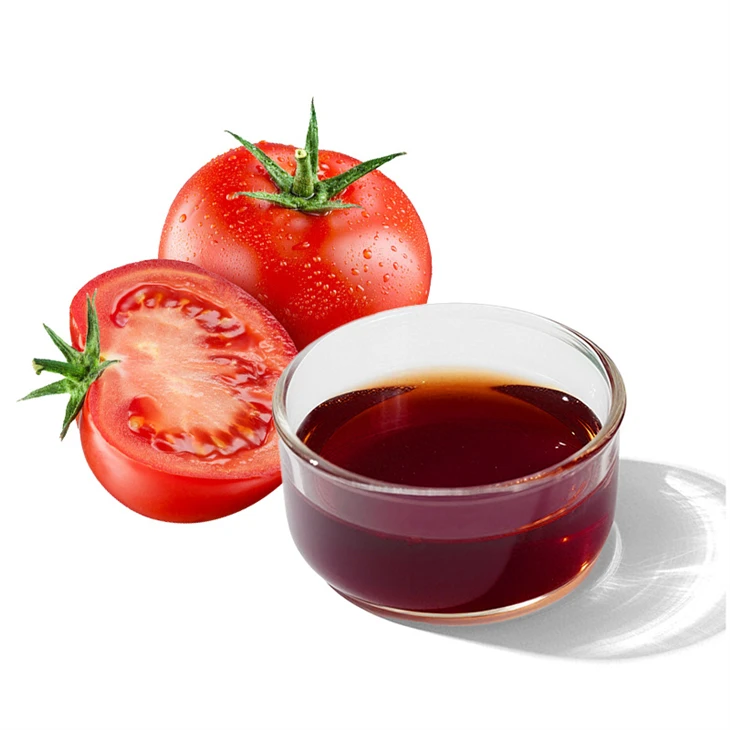
Tomato Extract Lycopene Powder Manufacturer/Factory/Supplier
Tomato extract features lycopene as its signature core active ingredient. As a potent lipid-soluble antioxidant, it effectively scavenges free radicals, inhibits lipid peroxidation, and relieves chronic inflammation. It specifically supports men's prostate health, protects cardiovascular systems, and assists eye care while defending skin against UV-induced photoaging and delaying skin aging. It is widely applied in dietary supplement softgels, tablets, and functional oral liquids; natural red colorants for food; anti-aging and sunscreen skincare products; as well as premium functional pet feeds.
Healthkintai® boasts more than ten years of experience in the R&D and production of raw materials for dietary supplements and cosmetics, specializing in the supply of high-quality natural plant extracts. Our full-range lycopene product line features standard contents of 5%, 10%, 20%, and 98%. We simultaneously offer multiple formulations, including lycopene oleoresin oil, microencapsulated lycopene powder, and water-soluble tomato extract. Please feel free to contact us at health@kintaibio.com at any time for detailed product information, samples, and quotations.
|
Item |
Specification |
Test Method |
|
Lycopene oleoresin oil |
5%, 10% |
HPLC |
|
Lycopene powder |
5%, 10%, 20%, 98% |
|
|
Microencapsulated Lycopene powder |
5%, 10% |


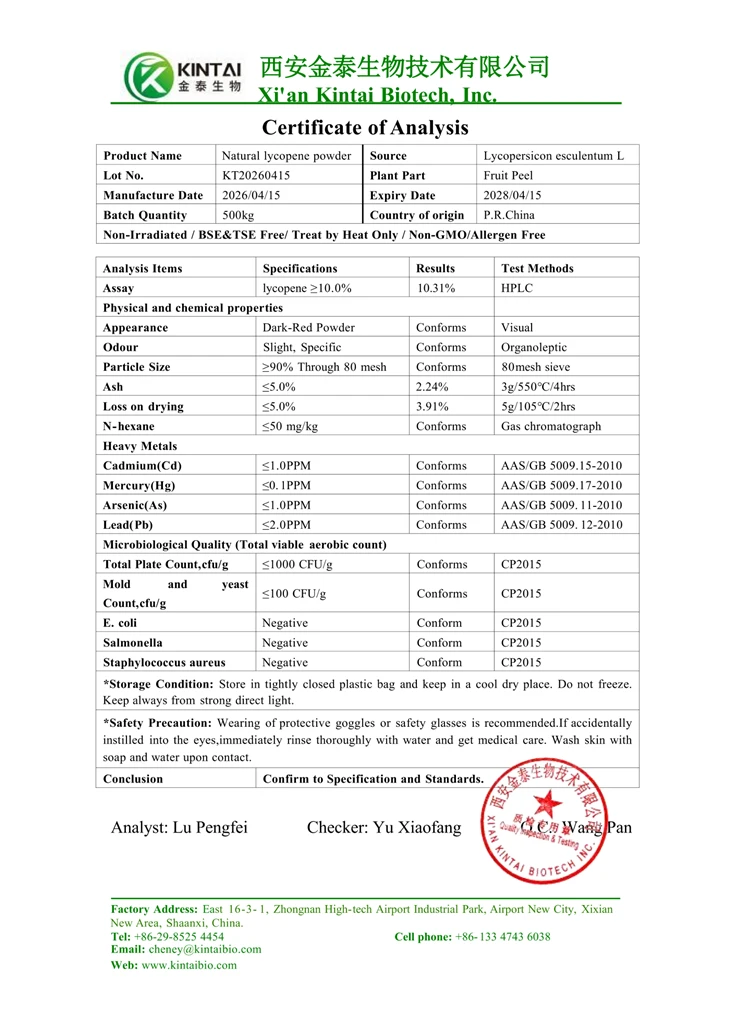
The COA of Tomato Extract Lycopene Powder

Regulatory Status of Tomato Extract Lycopene
EU EFSA
In the EU market, lycopene is classified as a food colourant with the unified code E160d. Raw materials produced via three processes-natural tomato oleoresin, fermentation by Blakeslea trispora, and chemical synthesis-are all legally permitted as general food additives for limited addition in most food categories. As an active ingredient in food supplements, tomato-derived lycopene was approved and included in the EU Novel Food list as early as 2009, eliminating the need for a new Novel Food application.

USA FDA
Lycopene can be widely used as a natural colorant in all kinds of conventional foods. Three types of lycopene, namely natural tomato-extracted oleoresin, fungal fermentation-derived lycopene and chemically synthesized lycopene, have all completed independent GRAS safety notifications and can be circulated directly as raw materials for dietary supplements without pre-market approval.
Lycopene Sources
Lycopene is mainly concentrated in ripe red fruits and vegetables. Among vegetables, fully ripe tomatoes contain the highest levels of lycopene, and concentrated processed tomato products such as tomato paste, tomato puree and tomato juice have far higher lycopene concentrations than fresh raw tomatoes, while red chili peppers only contain small amounts. As for fruits, red-fleshed watermelon, red-fleshed guava, red-fleshed papaya and pink grapefruit are excellent sources of lycopene.
How to Extract Lycopene from Tomatos?
Hot lycopene products from Healthkintai® are extracted from natural tomatoes. Combined with low-temperature organic solvent extraction technology, the natural active ingredients are preserved to the maximum extent. The complete production process is as follows:
Raw Material Pretreatment
Tomato pomace is dried and crushed to break cell wall structures and facilitate the dissolution of lycopene.
↓
Multi-stage Countercurrent Low-temperature Extraction
Food-grade ethyl acetate is adopted as the extraction solvent. Effective components are fully extracted via multi-stage countercurrent soaking at a constant temperature of 40–50℃, and solvents are recycled for reuse.
↓
Low-temperature Vacuum Desolventization
Vacuum evaporation is applied for low-temperature solvent removal to completely eliminate solvent residues in the extract and obtain crude lycopene oil.
↓
Molecular Distillation Refining
The crude oil is filtered to remove impurities, followed by deep purification through molecular distillation to improve product purity.
↓
Microcapsule Finished Product Preparation
The high-purity lycopene is formulated and then processed into stable finished products via microcapsule spray drying.
What Are the Benefits of Tomato Extract Lycopene?
Tomato Extract Lycopene Benefits for Skin
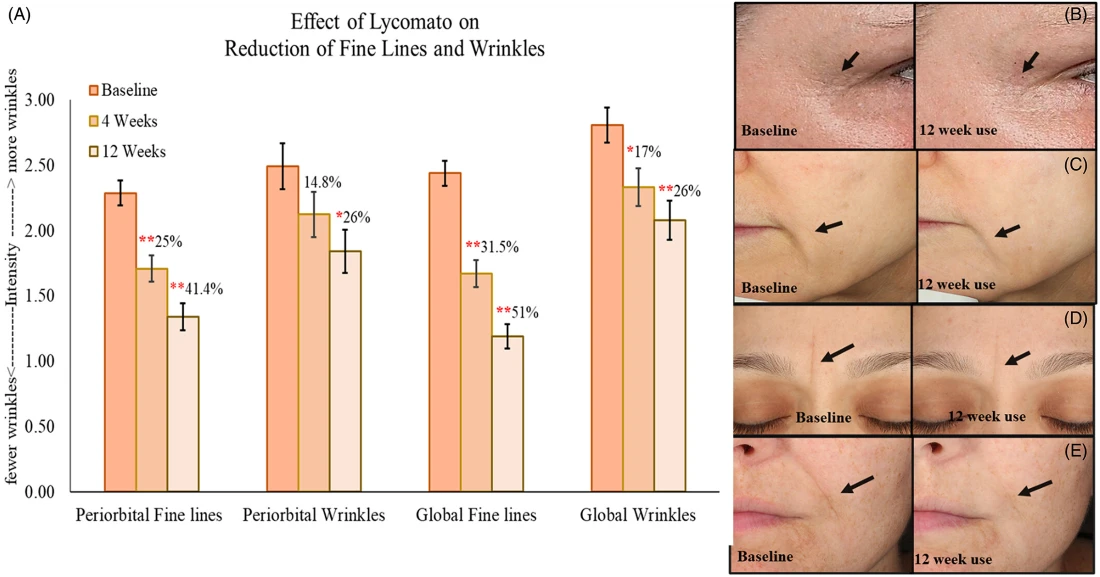
Lycopene, a highly lipophilic carotenoid antioxidant, can penetrate the epidermis and dermis of the skin.
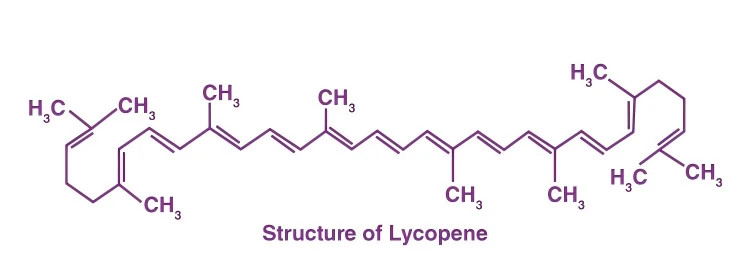
On one hand, its long conjugated double-bond structure efficiently scavenges free radicals generated in the skin from UV exposure, staying up late and inflammation, blocks the oxidative chain reaction where free radicals damage collagen and elastic fibers, reduces collagen degradation and fiber aging and sagging, and delays the formation of fine lines and dry lines.
On the other hand, it suppresses the release of pro-inflammatory factors in skin keratinocytes to alleviate UV-induced photoinflammation, redness and sensitivity.
Meanwhile, it downregulates tyrosinase activity in melanocytes, hinders the conversion of dopaquinone into melanin, and fades dullness and post-sun pigmentation.
In addition, lycopene boosts the activity of the skin's endogenous antioxidant enzymes including glutathione and superoxide dismutase, repairs the lipid structure of the skin barrier and mitigates photoaging damage caused by ultraviolet rays.
Tomato Extract Lycopene Benefits for Men
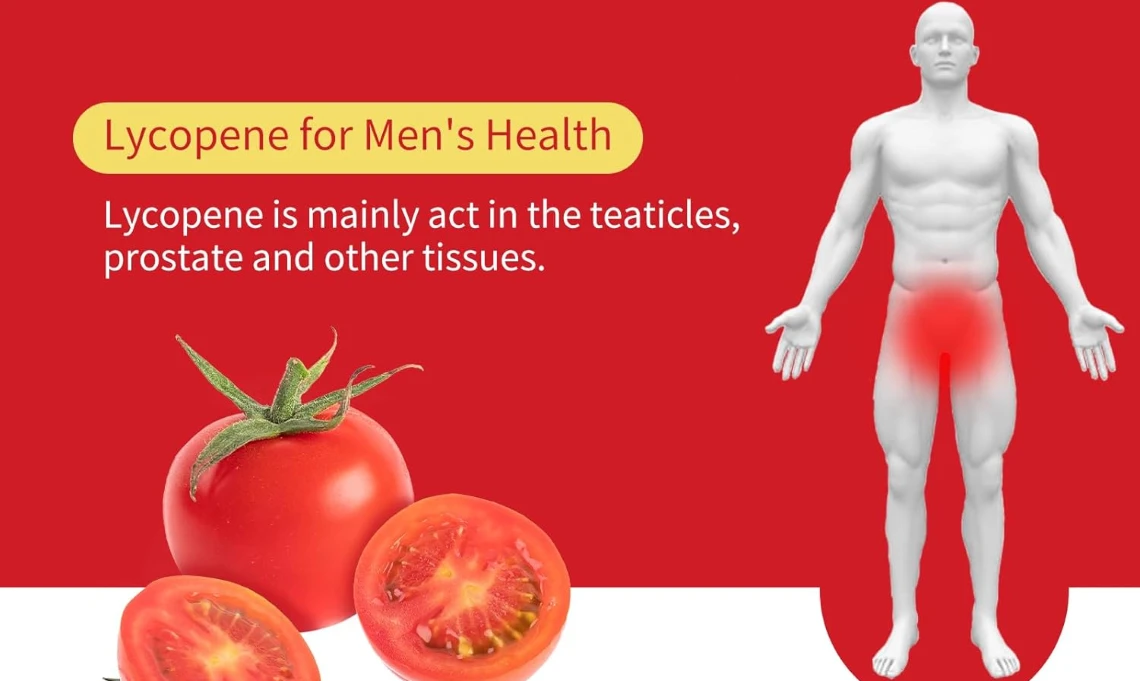
As a potent lipophilic carotenoid antioxidant, lycopene accumulates in the male prostate, testes and blood vessels to exert multiple physiological effects.
Its dense conjugated double bonds neutralize excess free radicals produced by metabolism, sedentary lifestyles, alcohol, tobacco and oxidative stress in the human body, alleviating lipid peroxidation damage to prostate epithelial cells, suppressing the secretion of inflammatory factors linked to abnormal prostate hyperplasia, and relieving discomfort caused by prostate congestion and swelling.
Meanwhile, it optimizes the reproductive microenvironment, reduces oxidative damage to sperm cell membranes and DNA, preserves sperm motility and normal morphology, and safeguards reproductive health. Furthermore, lycopene scavenges free radicals in vascular endothelium, reduces the oxidative deposition of low-density lipoproteins, maintains unobstructed blood vessels, helps stabilize circulatory metabolism and eases oxidative fatigue.
Long-term supplementation supports prostate health, enhances reproductive function and mitigates systemic oxidative aging damage.

Tomato Extract Lycopene Benefits for Women
Lycopene exerts repairing effects on female reproductive tissues such as ovaries and uterus. It neutralizes abundant free radicals generated from long-term staying up late, stress and metabolic disorders during menstruation in women, alleviates oxidative damage to ovarian follicle cells, lowers the risk of premature follicle aging, stabilizes the endocrine microenvironment of ovaries, and relieves discomforts including menstrual irritability and lower abdominal distension caused by hormone fluctuations.
Meanwhile, it inhibits the release of low-grade inflammatory factors in the reproductive system, reduces persistent irritation to uterine cavity and ovarian tissues triggered by chronic inflammation, improves pelvic circulation, and mitigates reproductive function decline induced by oxidative stress.
Astaxanthin and Lycopene
Both astaxanthin and lycopene belong to the family of lipid-soluble carotenoids, with potent antioxidant activity as their core function. However, they differ greatly in molecular structure, key health benefits, target consumer groups and natural sources.
|
Comparison Dimension |
Astaxanthin |
Lycopene |
|
Core Classification |
Lipid-soluble carotenoid (β-carotene derivative) |
Lipid-soluble carotenoid (polyunsaturated aliphatic hydrocarbon) |
|
Antioxidant Capacity |
Super strong antioxidant activity. Various studies have confirmed that its antioxidant capacity is 550-1000 times that of vitamin E, and 2-20 times that of lycopene. It can scavenge free radicals both inside and outside the cell membrane, with a more comprehensive antioxidant range. |
Strong antioxidant activity, one of the most powerful scavengers of singlet oxygen in nature. Its antioxidant capacity is 100 times that of vitamin E. It mainly acts on the lipid layer of the cell membrane, with an outstanding inhibitory effect on lipid peroxidation. |
|
Core Functional Focus |
①Comprehensive anti-oxidation and anti-aging, delaying cellular senescence ② Brain and retina protection, improving cognition and relieving visual fatigue ③ Relieving muscle oxidative damage and improving exercise endurance ④ Regulating metabolic function and protecting liver and pancreas health |
① Prostate health protection, significantly reducing the risk of prostate problems ②Basic cardiovascular protection, maintaining vascular elasticity and regulating blood lipids ③UV protection, resisting photoaging and protecting the skin barrier ④Enhancing immunity and assisting in inhibiting tumor cell proliferation |
|
Absorption and Bioavailability |
Lipid-soluble, with better absorption effect when taken with meals. Bioavailability is greatly affected by the dosage form; the absorption efficiency of liposome, microencapsulated, and oil suspension dosage forms is much higher than that of ordinary powder. |
Lipid-soluble, with better absorption effect when taken with meals. The bioavailability in fresh tomatoes is extremely low, which can be greatly improved after cooking, crushing, and adding oil. The bioavailability of tomato sauce is 4 times that of fresh tomatoes. |
|
Stability |
Highly sensitive to high temperature, strong light, and metal ions such as iron/copper, easily damaged by oxidation, and has good stability in a weakly alkaline environment. |
Sensitive to oxidation reactions, relatively stable to heat, with significantly improved stability in an oil environment, and low loss rate during daily cooking and processing. |
|
Common Application Scenarios |
High-end anti-aging dietary supplements, brain and eye health products, sports nutrition supplements, anti-aging skin care raw materials |
Daily dietary supplements, prostate health products, basic cardiovascular care products, sunscreen skin care raw materials, food colorants |
Lutein and Lycopene
Both lutein and lycopene belong to the carotenoid family. They are natural fat-soluble antioxidants that the human body cannot synthesize independently and must be obtained from daily diets.
Their core differences are as follows: Lutein is a hydroxylated xanthophyll primarily beneficial for eye health. It serves as the key pigment in the macular region of the retina and is mainly sourced from dark green vegetables. Lycopene is a carotene without hydroxyl groups and provitamin A activity. It delivers stronger antioxidant effects and mainly supports prostate, cardiovascular and skin health, with tomatoes and other red fruits and vegetables as its primary sources.
|
Comparison Dimension |
Lutein |
Lycopene |
|
Classification |
Carotenoid Phylum → Xanthophylls |
Carotenoid Phylum → Carotenes |
|
Core Physiological Functions |
①Core pigment of the retinal macular area, filters harmful blue light and protects the retina; ② Relieves visual fatigue and improves visual function; ③Assists in reducing the risk of age-related macular degeneration; ④Antioxidant, reduces oxidative damage to the eyes |
① Extremely strong antioxidant capacity, far exceeding vitamin E in free radical scavenging ability; ②Protects prostate health and assists in reducing the risk of prostate diseases; ③Protects the cardiovascular system, assists in regulating blood lipids and reducing the risk of atherosclerosis; ④Protects the skin, resists UV damage and delays skin aging |
|
Absorption and Metabolism Characteristics |
Fat-soluble, requires dietary fat intake to promote absorption; free lutein has higher bioavailability than esterified lutein; preferentially accumulates in the retinal macular area after absorption |
Fat-soluble, requires dietary fat intake to promote absorption; in raw tomatoes, it is in trans structure, which is converted to cis structure after cooking, greatly improving the absorption rate; widely distributed in the prostate, liver, adipose tissue, etc. after absorption |
|
Core Target Population |
People with long-term eye use (office workers, students, e-sports practitioners), middle-aged and elderly people, people with dry eye syndrome/visual fatigue, people with a family history of macular degeneration |
Middle-aged and elderly men, sedentary people, people at high risk of cardiovascular disease, people with long-term outdoor sun exposure, people with a family history of prostate disease |
Tomato Extract Lycopene Uses
Lycopene Used as a Colorant and Food Antioxidant
Lycopene is an excellent natural colorant and food antioxidant, widely applied in various processed foods. In the beverage sector, it can be incorporated into fruit juices, sports drinks and other products to deliver a natural bright red hue while extending shelf life. When used in dairy products such as yogurts and milk beverages, it withstands fermentation and pasteurization processes, offering dual functions of color adjustment and nutritional fortification. Powdered lycopene is suitable for baked goods including bread, meal replacement bars and biscuits, providing effective protection against high-temperature baking. For meat products, plant-based meat alternatives and various sauces, it can replace artificial synthetic pigments to restore the natural red tone of raw materials.

Lycopene Dietary Supplement
Lycopene serves as the core raw material for mainstream antioxidant dietary supplements worldwide. It is available in common dosage forms including soft capsules, tablets and oil solutions, and can be scientifically compounded with a wide range of active ingredients.
When lycopene is combined with astaxanthin, a dual high-potency antioxidant system is formed. This combination supports cardiovascular wellness while specifically optimizing prostate health in men. Pairing lycopene with lutein not only boosts the body's baseline immunity, but also synergistically counteracts oxidative damage to the eyes and alleviates visual fatigue.


In addition, lycopene can be compounded with zinc, alpha-lipoic acid and quercetin: zinc aids the regulation of male physiological functions; alpha-lipoic acid enhances full-body antioxidant defense; quercetin helps relieve systemic oxidative stress and maintain healthy bodily circulation.


Lycopene Skincare Products
Lycopene boasts outstanding antioxidant and anti-photoaging properties. When incorporated into sun care and repairing skincare products, it alleviates skin redness, sunburn, pigmentation and fine lines induced by photoaging. For anti-aging and moisturizing formulations, it relieves dry and sagging skin while preserving skin elasticity. In brightening skincare lines, it suppresses the formation of oxidized melanin and effectively diminishes dull, sallow complexions.
Meanwhile, lycopene serves as a natural red pigment for lipsticks, blushes, eyeshadows and other color cosmetics, acting as a viable alternative to synthetic colorants. Furthermore, when added in moderate doses to body lotions, hair serums and other wash and care products, it shields skin and hair against external oxidative damage, improving rough skin texture and dry, yellowed hair.


How Much Lycopene Per Day?
Based on regulatory and safety standards worldwide for lycopene supplementation in adults for daily health maintenance, the European Food Safety Authority (EFSA) has established an Acceptable Daily Intake (ADI) of 0.5 mg per kilogram of body weight, equating to a total maximum intake of 35 mg from all sources for a 70 kg adult. The conventional compliant dosage range for Novel Food supplements is 10–25 mg.
The United States does not enforce a mandatory official recommended intake, with an observed safe upper limit of 75 mg for long-term consumption. Canada's Natural Health Products (NHP) and Australia's Therapeutic Goods Administration (TGA) adopt control frameworks aligned with the EU, specifying a standard labelling dosage of 10–30 mg for supplements. Globally, high-dose supplements are not advised for children, pregnant or lactating women. Excessive long-term intake may only cause harmless skin pigment discoloration, which fades naturally upon discontinuation of supplementation.
Where to Buy Tomato Extract Lycopene Powder?
Healthkintai® specializes in the R&D, production and supply of antioxidant raw materials for dietary supplements and cosmetics. All production workshops operate in strict compliance with GMP clean production standards and hold a full set of complete industry qualification certifications.
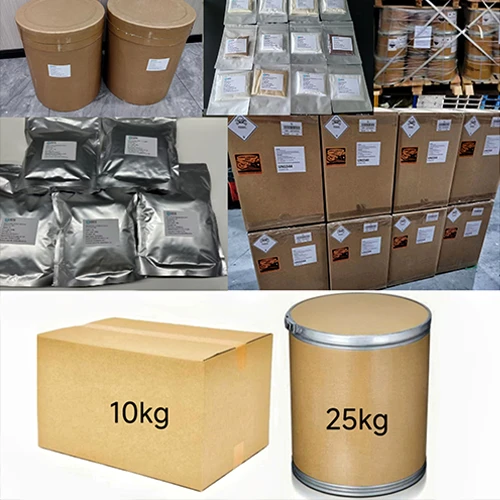
Our regular MOQ for all raw materials is only 1kg, and samples are available for customers to conduct testing and verification.
Our Tomato extract lycopene powder is available in conventional powder forms, as well as microencapsulated powder with superior stability and better absorption, suitable for a wide range of finished formulations.
Please feel free to contact us at health@kintaibio.com for sample trials, custom OEM & ODM manufacturing, and long-term raw material supply cooperation.

FAQ
Q: Is lycopene good for prostate?
A: Lycopene is a highly active, fat-soluble antioxidant carotenoid that cannot be synthesized by the human body and must be obtained from daily diet or dietary supplements. It is one of the nutrients beneficial for daily prostate care in men. The prostate tissue naturally accumulates abundant lycopene. This nutrient acts on prostate cells to neutralize free radicals generated during daily metabolism, relieve oxidative stress in the body, help maintain a comfortable state of the prostate, and support normal metabolism and basic secretory functions of the gland. Multiple nutritional research surveys indicate that people who consistently consume adequate lycopene over the long term have a relatively lower likelihood of experiencing sub-health discomfort related to the prostate. Due to lycopene's fat-soluble property, consuming it alongside fatty foods can significantly boost its absorption rate, allowing it to better deliver its nutritional value for daily prostate maintenance.
Q: Is it safe to take lycopene daily?
A: Consistent daily supplementation of lycopene within the recommended dosage is generally safe for consumption. As a natural dietary nutrient sourced from fruits and vegetables, it is well tolerated by the human body with very few adverse reactions under normal intake. Only a small number of people with sensitive stomachs may experience temporary mild bloating or stomach distension when taking large doses on an empty stomach, which can be relieved by taking it with meals containing fats. Long-term intake within the standard daily dosage range for average adults will not impose a metabolic burden on the body, and no nutritional research has confirmed cumulative toxicity to internal organs. Special groups including pregnant and breastfeeding women, individuals taking prescription medicines, or those with chronic underlying health conditions are advised to consult a professional nutritionist before regular supplementation to ensure personalized intake safety.
Hot Tags: tomato extract lycopene powder, China tomato extract lycopene powder manufacturers, suppliers, factory, Wheat Germ Extract Powder, Ginkgo Biloba Leaf Extract Powder, buy fisetin powder, matcha tea capsules, melatonin with lemon balm vs melatonin, natural vs synthetic melatonin


