
China Hypericins Manufacturers
St. John's Wort Extract is extracted from the dried aerial parts of Hypericum perforatum harvested during the flowering period. Its primary active constituents include hypericin, hyperforin, hyperoside, and a variety of flavonoid compounds. Hypericin exhibits antiviral, anti-inflammatory, and photosensitive properties; hyperforin helps regulate neurotransmitters such as serotonin to support mood comfort; hyperoside, a flavonol glycoside, delivers antioxidant, anti-inflammatory, and vascular-protective effects, while other flavonoid fractions synergistically provide antioxidant and anti-inflammatory benefits. This natural botanical ingredient is commonly used in overseas dietary supplements and can also be incorporated into skincare formulations. Hypericin is widely adopted in the industry as the core quality control marker for St. John's Wort Extract.
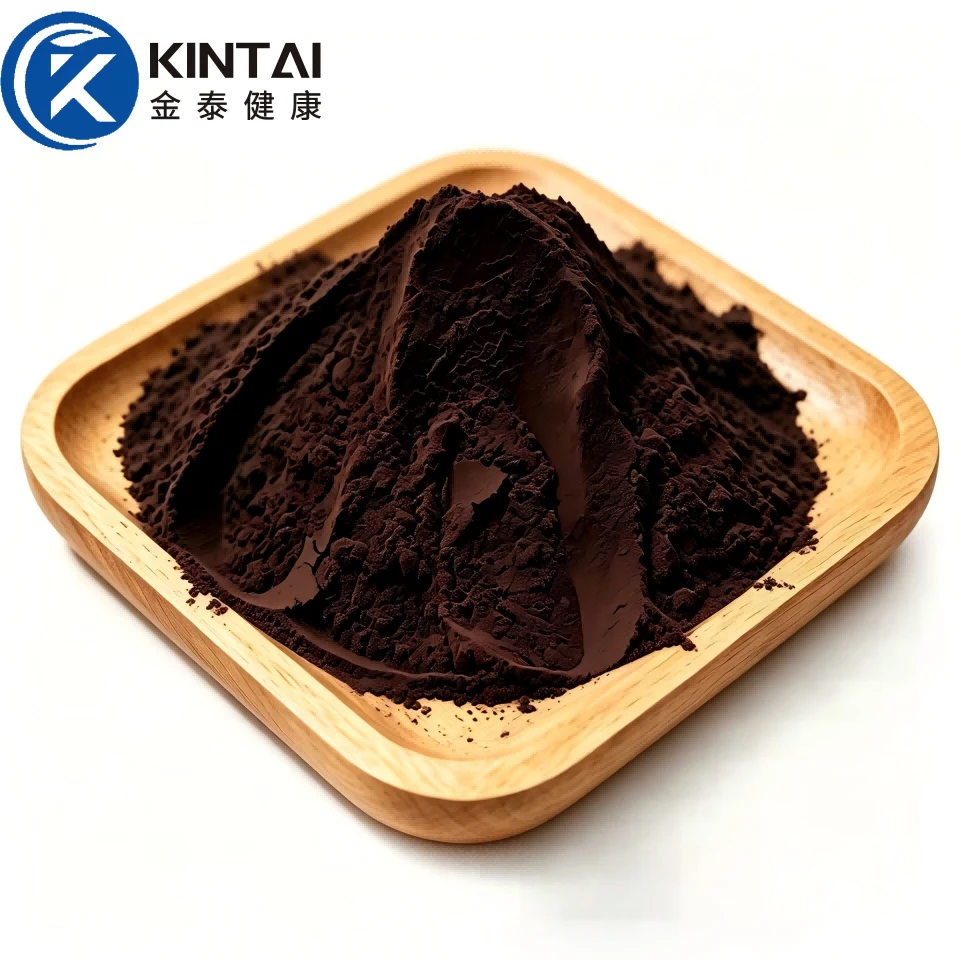
Healthkintai® has long been deeply engaged in the field of natural plant extracts and is a reliable professional manufacturer of hypericin in China. Our best-selling item is 0.3% St John's Wort Extract Hypericin Powder. We also supply products with multiple gradient specifications; detailed parameters are listed in the table below. Feel free to contact us at health@kintaibio.com for customized specification recommendations and the latest quotation.
|
Item |
Main Ingredient |
CAS NO. |
Specifications |
Test Method |
|
St. John's wort standardized extract |
Hypericin |
548-04-9 |
0.3%, 0.4%, 0.5%, 1%, 2% |
HPLC/UV |
|
Hyperoside (Hyperin) |
482-36-0 |
0.5%, 1%, 2%, 98% |
HPLC/UV |
|
|
St. John's wort ratio extract |
/ |
/ |
10:1, 20:1, 30:1, 50:1 |
TLC |
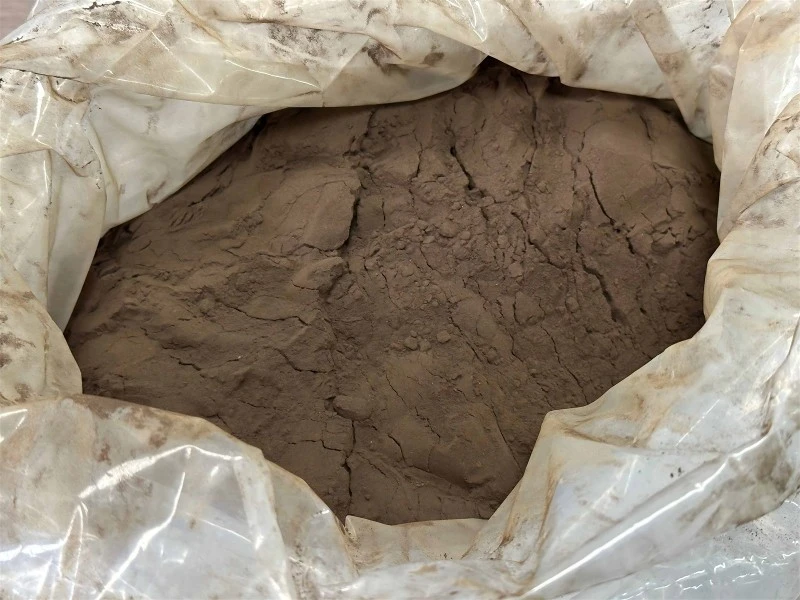
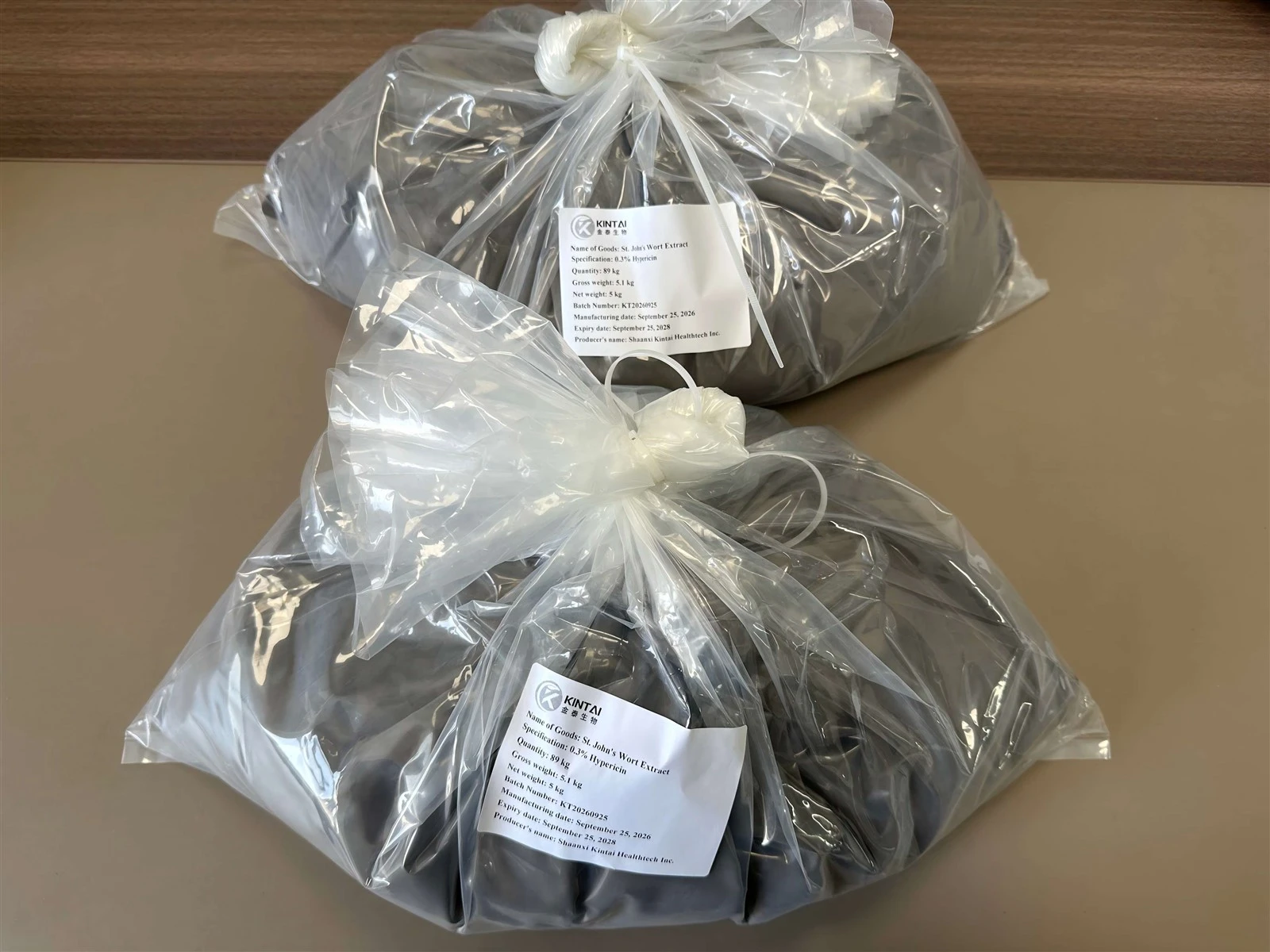
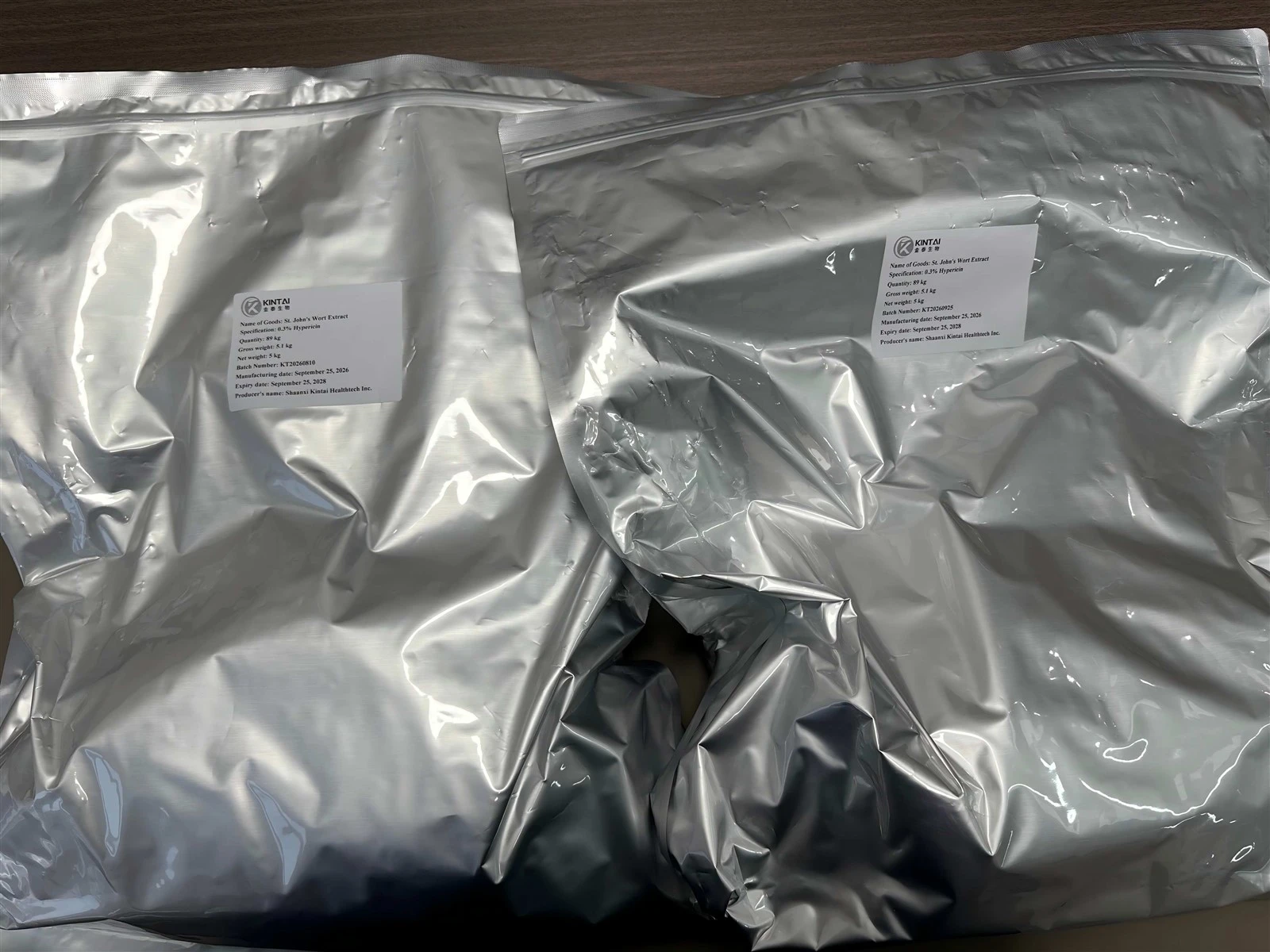
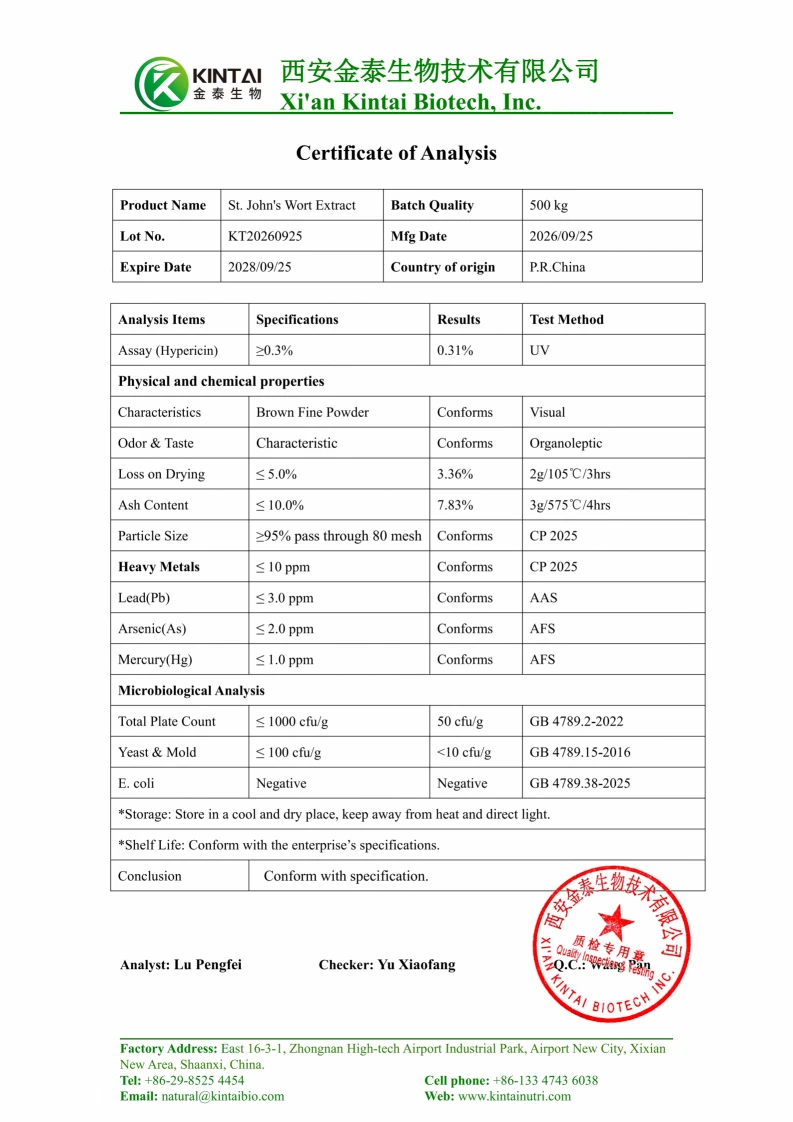
The COA of St John's Wort Extract Hypericin Powder from KINTAI
Hypericin Solubility
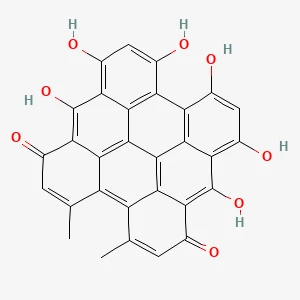
Hypericin is a lipophilic natural bioactive substance belonging to the naphthodianthrone family. It exhibits extremely poor water solubility in neutral aqueous environments and is nearly insoluble in pure water. Hypericin is soluble in dimethyl sulfoxide (DMSO), pyridine, and alkaline aqueous solutions (e.g., 1 mol/L sodium hydroxide solution). It is only sparingly soluble with limited dissolution in common polar organic solvents such as methanol, ethanol and acetone; organic bases including pyridine offer better solubilization performance for hypericin. When dissolved in pyridine, it forms a red solution with red fluorescence, while its color shifts to green under strongly alkaline conditions. It is poorly soluble in most low-polarity organic solvents.
Hypericin molecules tend to aggregate in aqueous phases, further reducing its apparent solubility. For formulation development, solubilizers, cyclodextrin inclusion technology or protein carriers are commonly adopted to improve its water dispersibility.
Hyperforin and Hypericin
Hyperforin and hypericin are two signature bioactive constituents found in St. John's wort. Both occur within the plant's glandular tissues, yet they differ markedly in chemical classification, molecular targets and functional properties. Hypericin is a naphthodianthrone with photodynamic activity, alongside anti-inflammatory and antiviral potential. Hyperforin, a polycyclic phloroglucinol, serves as the primary active component of St. John's wort for supporting mood health via broad-spectrum inhibition of neurotransmitter reuptake.
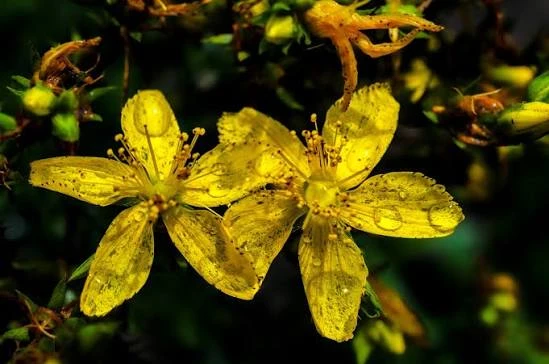
These two compounds typically coexist in St. John's wort extracts. However, they exhibit substantial differences in thermo-oxidative stability, photosensitivity risk and in vivo metabolic profiles. They are generally established as separate assay markers for standardized quality control in dietary supplement and pharmaceutical product development.
|
Item |
Hypericin |
Hyperforin |
|
Chemical Class |
Naphthodianthrone compound |
Polycyclic phloroglucinol compound |
|
Stability |
Relatively stable and tolerant to moderate light; inherently photosensitive |
Poor stability. It is prone to oxidative degradation upon exposure to oxygen, light or high temperatures. Stabilizers are often added in standardized extract products. |
|
Safety Profile |
Photosensitivity risk exists: prolonged skin exposure to strong light after intake may trigger sunburn-like erythema and pruritus; higher doses carry elevated risks. |
Virtually no photosensitivity. It acts as a potent CYP450 enzyme inducer, accelerating the in vivo metabolism of many drugs and raising risks of drug-drug interactions. |
|
Solubility |
Lipophilic, poorly soluble in water and soluble in organic solvents |
Lipophilic, extremely low water solubility |
|
Application Scope |
Widely used in in-vitro antiviral and topical photodynamic research; also used in dietary supplements for antioxidant support |
Commonly applied in dietary supplements to help maintain balanced mood; it is also an active ingredient used in European traditional herbal medicine. |
St John's Wort Extract Benefits and Hypericin Benefits
Antiviral Hypericin
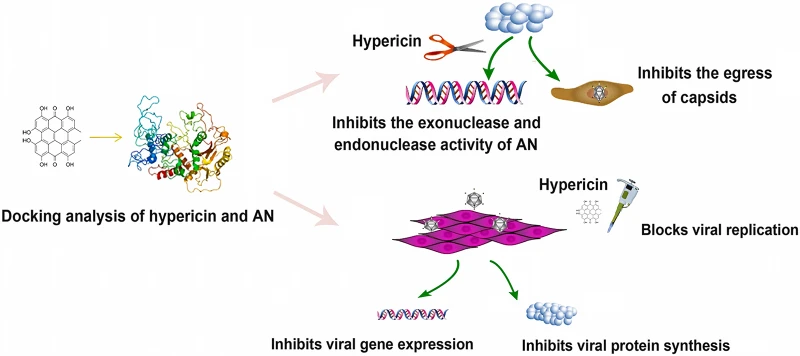
The antiviral activity of St john's wort aerial extract hypericin mainly targets enveloped viruses via a photodynamic inactivation mechanism. Hypericin photosensitivity enables the compound to generate reactive oxygen species such as singlet oxygen upon visible light excitation, which oxidatively damage the viral lipid envelope and capsid proteins, block the fusion between viruses and host cell membranes, inhibit viral uncoating, assembly and release, and suppress key viral enzymes including reverse transcriptase.
In vitro tests demonstrate its inactivation effect against a variety of enveloped viruses such as herpes virus, influenza virus, HIV and coronavirus, while it shows almost no activity against non-enveloped viruses. Unlike conventional nucleoside antiviral drugs, hypericin does not directly target viral nucleic acids and also exerts certain immunomodulatory effects.
https://www.sciencedirect.com/science/article/abs/pii/S0378874122005633
St John's Wort Extract for Depression
St john's wort herb extract is commonly used to support mild to moderate emotional well-being. Its active constituents including hyperforin, hypericin and flavonoids act on multiple neural pathways to modulate the reuptake of neurotransmitters such as serotonin, norepinephrine and dopamine, maintaining neurotransmitter balance within the synaptic cleft.
It also helps regulate HPA-axis response, reduce neuroinflammation and support brain-derived neurotrophic factor (BDNF), assisting in easing low mood, reduced interest, disturbed sleep and accompanying irritability. Multiple clinical studies indicate that standardized St. John's Wort extract offers comparable supportive effects for mild-to-moderate emotional discomfort to some SSRI prescription medications, and generally demonstrates good tolerability.
This ingredient is not suitable for individuals with severe emotional disorders, bipolar conditions, or those experiencing thoughts of self-harm.

St John's Wort Extract Uses
Hypericin PDT
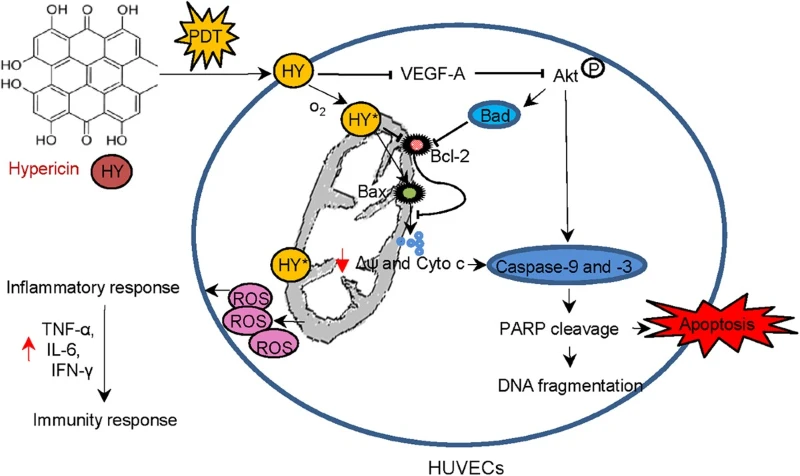
After topical or systemic administration of hypericin, it selectively accumulates in diseased tissues containing tumors and pathogenic microorganisms. Following dark incubation, targeted irradiation is performed with visible light in the specific yellow-red spectral range. With oxygen present in tissues, excited hypericin generates reactive oxygen species such as singlet oxygen, which oxidatively damage the cell membranes, organelles and genetic material of lesional cells, triggering apoptosis or necrosis. It also disrupts microbial biofilms and inhibits viral activity. This photosensitizer exhibits low toxicity in the absence of light and causes limited harm to adjacent healthy tissues.
Dietary Supplements
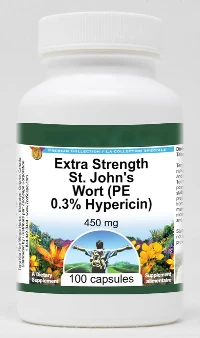
St. John's wort herbal extract used in dietary supplements is mostly standardized extract, marketed in forms such as hard capsules, tablets, herbal complexes and herbal teas. It is positioned for mood soothing, stress relief and sleep improvement, and is often combined with magnesium, B vitamins and lemon balm.

Cosmetics and Personal Care Products
With anti-inflammatory, antioxidant, soothing and repairing properties of flavonoids and hyperoside contained in the extract, St. John's Wort extract serves as a botanical active ingredient added into repair serums, redness-soothing creams, post-procedure repair ointments and oral care products. It helps relieve skin redness and heat triggered by external irritants and accelerates epidermal barrier recovery.
During formula development, phototoxicity caused by hypericin must be strictly controlled. High-load formulations are generally not applied in daytime sun care products; they are mostly used for night repair and wound-soothing formulations.
Animal Health
As a botanical functional raw material, St. John's Wort extract is applied in herbal health preparations for livestock, poultry and pets. It mainly relies on the bacteriostatic and immunomodulatory properties of hypericin. As a candidate alternative to antibiotics in antibiotic-free farming programs, it helps maintain intestinal homeostasis of livestock and poultry, boost the body's non-specific immunity, and assist in the prevention and control of certain viral and bacterial infections.
Where to Buy St John's Wort Extract Hypericin Powder?
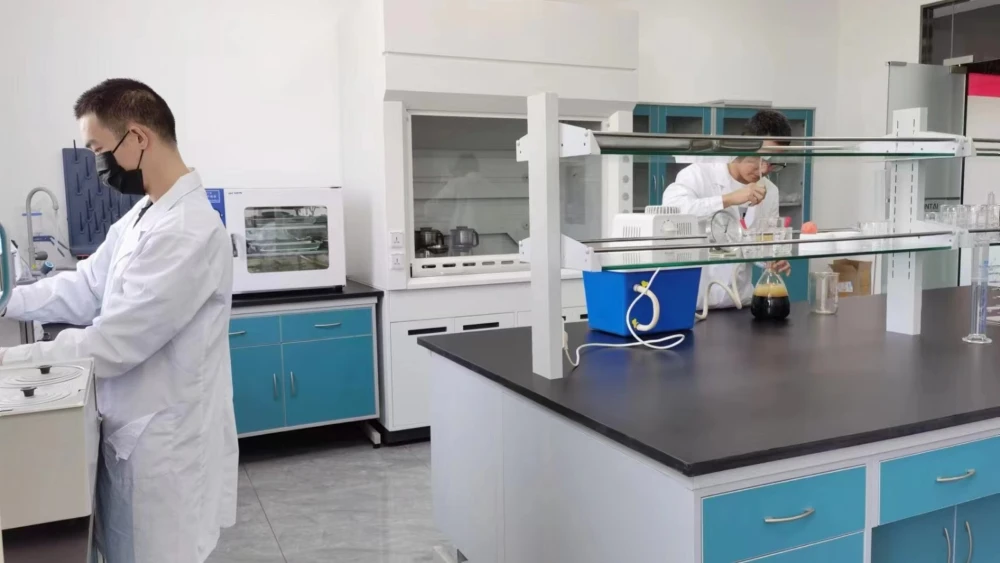
Healthkintai® is a Chinese source manufacturer specializing in the R&D and production of plant extracts, with an in-house professional R&D team dedicated to natural plant extraction. We select dried aerial parts of Hypericum perforatum as raw material. The entire production line operates in strict compliance with GMP standards and holds multiple authoritative certifications including CQC and HACCP. Full-process quality control covers raw material incoming inspection, extraction & purification, and finished product testing, ensuring consistent batch-to-batch quality.
As a manufacturer with integrated production and sales, we eliminate middlemen to deliver competitive pricing. Our flagship hot-selling item is bulk St John's wort extract hypericin powder, suitable for various applications such as dietary supplements and herbal formulations. Sample orders are available. We welcome clients to share your formulation requirements for customized communication and long-term stable supply cooperation. Contact us at health@kintaibio.com.
FAQ
Q: What is hypericin used for?
A: Hypericin is mainly extracted from St. John's wort. It is commonly used in dietary supplements. Traditionally, it helps relieve mild low mood and improve sleep. Modern research also explores its potential antiviral, antibacterial, anti-inflammatory, and photodynamic anti-tumor effects. However, it interacts with many medications and is photosensitive, which may cause sunburn after exposure to sunlight, so it should not be taken arbitrarily without medical advice.
Q: What is St. John's Wort extract good for?
A: St. John's Wort extract, containing active constituent hypericin, is widely used as a dietary supplement; traditionally it aids in easing mild low mood and supporting sleep quality, while ongoing scientific studies investigate its potential antiviral, antibacterial, anti-inflammatory, and photodynamic anti-tumor activities. Nevertheless, it may interact with numerous prescription medicines and carries photosensitivity risks that increase susceptibility to sunburn, so it should not be used without proper guidance.
Hot Tags: st john’s wort extract hypericin powder, China st john’s wort extract hypericin powder manufacturers, suppliers, factory


