

alginate oligosaccharide manufacturers and suppliers
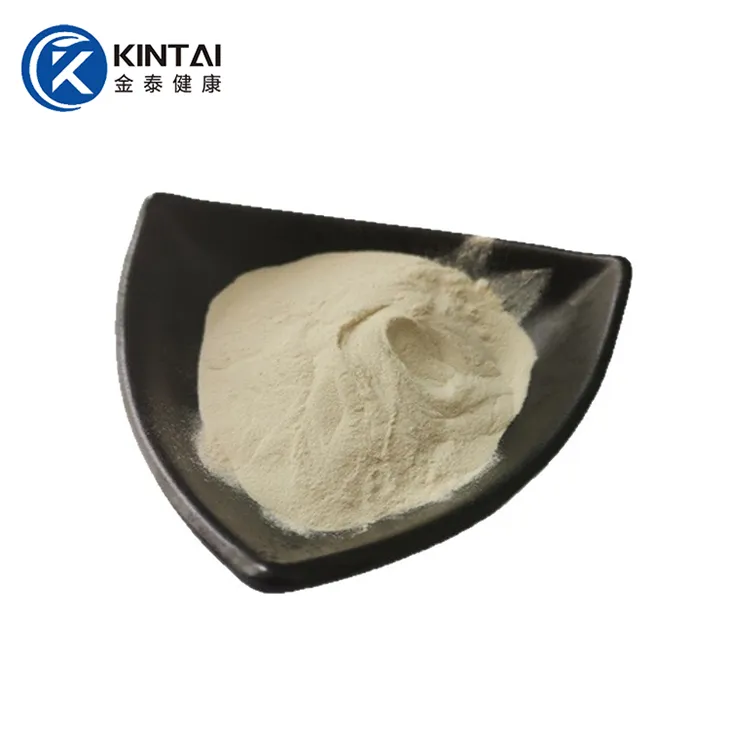
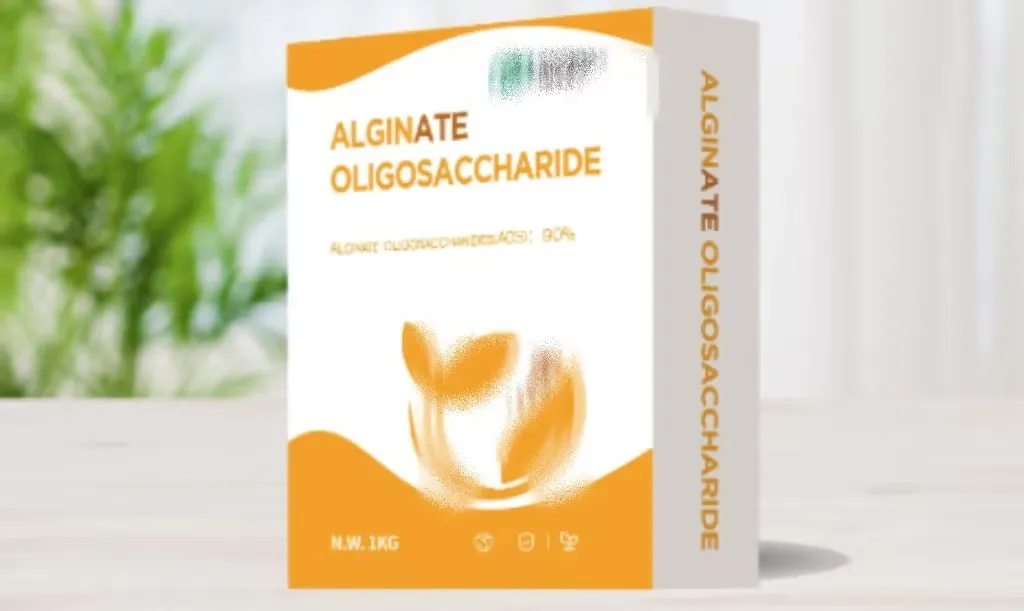
Healthkintai® is a manufacturer and supplier of alginic oligosaccharides. Alginate oligosaccharides(AOS), a type of functional oligosaccharide derived from marine brown algae (such as kelp, Sargassum, and giant kelp), are characterized by good water solubility, high safety, and easy absorption, showing broad application potential in agriculture, food, medicine, and cosmetics. Studies have found that alginic oligosaccharides possess various biological activities, including antioxidant, antibacterial, anti-inflammatory, plant growth-promoting, immune-regulating, and probiotic-promoting activities. We have 98% pure Alginic Oligosaccharides Powder. Contact us at info@kintaibio.com.
|
Product Name |
Specification |
Test Method |
|
Alginate Oligosaccharide Powder |
98% AOS |
HPLC |
AOS Relevant regulations
The US FDA's regulation of fucoidan oligosaccharides primarily focuses on the definition of dietary fiber. According to the FDA's Final Rule on Fact Labelling in Nutrition, alginate has been listed as one of the non-digestible carbohydrates proposed for inclusion in the definition of dietary fiber. This means that alginate and its degradation product, AOS, can be used as dietary fiber ingredients in food in the United States. Furthermore, polysaccharides derived from brown algae have a basis for GRAS (Generally Recognized as Safe) designation in the US. However, it's important to note that fucoidan oligosaccharides themselves have not received independent GRAS notification; currently, the industry mainly refers to the regulations concerning its precursor, fucoidan.
How to make alginate oligosaccharide?
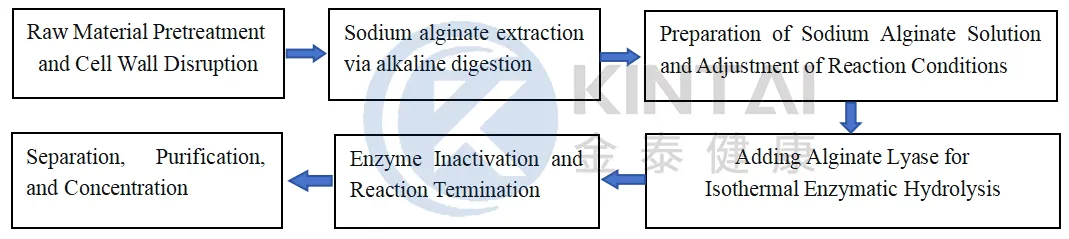
Raw Material Pretreatment and Cell Wall Disruption
First, fresh or dried brown algae are selected as the starting material. They are thoroughly washed to remove surface-attached mud, salt, and other impurities. The algae are then pulverized using a mechanical pulverizer. The pulverized algae powder is placed in a reaction vessel equipped with a stirring function, and an appropriate amount of deionized water is added to prepare a homogeneous algal slurry. Cellulase and pectinase are then added in proportion. Enzymatic hydrolysis is carried out under mild conditions of 40-55 degrees Celsius and a suitable weakly acidic pH environment with continuous stirring for 1-2 hours, creating favorable conditions for subsequent extraction steps.
Sodium alginate extraction via alkaline digestion
After cell wall disruption, an alkaline reagent is added to the algae slurry in the reaction vessel to adjust the pH to the alkaline range of 9 to 11. Simultaneously, the temperature is raised to 60 to 80 degrees Celsius and maintained with stirring for 1 to 2 hours, forming a viscous colloidal solution. Subsequently, the sodium alginate-containing supernatant is separated from the insoluble algae residue by centrifugation. The supernatant is collected and bleached with sodium hypochlorite or hydrogen peroxide to remove natural pigment impurities. Finally, the pH is adjusted by adding acid or ethanol for precipitation. After centrifugation and dehydration, pure sodium alginate colloid is obtained or it is dried into a solid powder for later use.
Preparation of Sodium Alginate Solution and Adjustment of Reaction Conditions
Slowly add the purified sodium alginate powder obtained in step two to deionized water or buffer solution according to the mass-volume ratio. Under stirring and heating, allow it to fully dissolve, forming a uniform, transparent, and viscous gel-like solution. After the sodium alginate is completely dissolved, precisely control the system temperature within the optimal reaction temperature range required by alginate lyase, and adjust the substrate concentration to between 0.5% and 2% according to process requirements.
Adding Alginate Lyase for Isothermal Enzymatic Hydrolysis
Once the temperature and pH of the reaction system reach the set conditions, add highly active alginate lyase to the sodium alginate solution. Maintain an isothermal reaction for 2 to 8 hours under continuous stirring. During the reaction, the viscosity of the system can be clearly observed to decrease significantly from a highly viscous state to a low-viscosity, thin liquid. To ensure product quality stability, immediately proceed to the next enzyme inactivation step when the oligosaccharide composition reaches the target range.
Enzyme Inactivation and Reaction Termination
Once the degree of polymerization of the enzymatic hydrolysis product reaches the target requirement, measures are taken to completely inactivate the alginate lyase. The most common method for enzyme inactivation is to heat the reaction system to 90-100 degrees Celsius and boil it for 10-15 minutes. The high temperature causes irreversible denaturation and inactivation of the enzyme protein. After enzyme inactivation, the reaction solution is cooled to room temperature. At this point, the enzymatic hydrolysis reaction is completely terminated, and the product composition is fixed within the target degree of polymerization range. This ensures batch-to-batch consistency of the alginate oligosaccharide product and provides a stable starting material for subsequent separation and purification steps.
Separation, Purification, and Concentration
The solution is filtered using microfiltration or ultrafiltration membranes with a molecular weight cutoff of 3000 to 5000 Daltons. Small-molecule fucoidan oligosaccharides can permeate through the membrane pores into the filtrate, while larger molecular weight enzymes, proteins, and undegraded polysaccharides are retained and removed. The permeate is then passed through nanofiltration membranes, ion exchange resins, or activated carbon adsorption columns to effectively remove salts and pigments, making the filtrate clear and transparent. Finally, the purified filtrate is concentrated using vacuum evaporation or reverse osmosis to prepare for the drying process.
What are alginate oligosaccharide benefits?
alginate oligosaccharide for Gut health
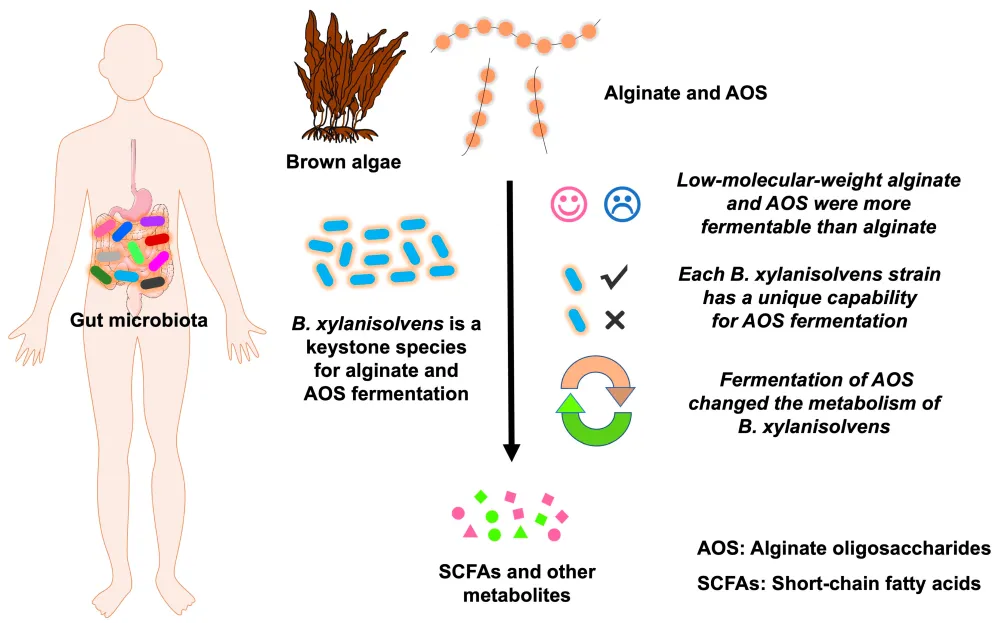
The benefits of alginate oligosaccharide to human health are mainly manifested in regulating the gut microbiota and enhancing immunity. As a high-quality novel prebiotic, it can effectively promote the proliferation of beneficial bacteria such as Bifidobacteria and Lactobacillus in the gut, while inhibiting the growth of harmful bacteria, regulating the gut environment, and maintaining the integrity of the intestinal barrier. AOS oligosaccharides can significantly improve antibiotic-induced gut microbiota dysbiosis. In terms of immune regulation, itexert anti-inflammatory effects by inhibiting the TLR4/MAPK/NF-κB inflammatory signaling pathway and reducing the production of pro-inflammatory factors such as interleukin-6 and tumor necrosis factor-α.
alginate oligosaccharide in agriculture
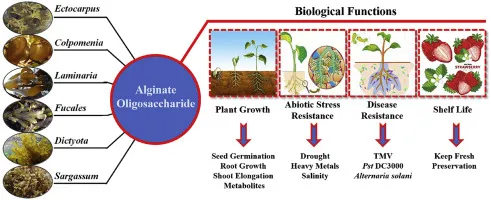
Alginate oligosaccharide has demonstrated significant and multifaceted benefits in agriculture. As a natural biostimulant, it functions at multiple levels. It effectively increases final yield, and foliar application of specific concentrations of fucoidan solution can promote wheat seedling growth. Regarding enhancing crop stress resistance, studies have confirmed that AOS can improve the ability of rice seedlings to withstand low-temperature stress. Furthermore, it can act as a plant immune inducer, effectively inducing resistance in wheat seedlings to sheath blight. In postharvest preservation of fruits and vegetables, it can significantly inhibit quality deterioration of fruits such as strawberries and kiwifruit during storage by regulating abscisic acid and ethylene signaling pathways.
alginate oligosaccharide for skin
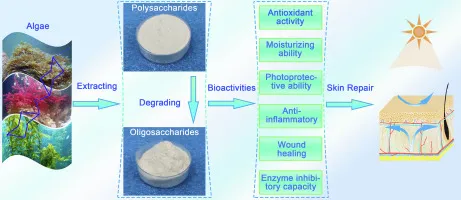
AOS Powder exhibit significant and multifaceted benefits in the field of skin health. Firstly, they possess excellent hygroscopic and moisturizing properties, forming an invisible protective film that effectively prevents UV damage and maintains a hydrated skin environment. Simultaneously, they possess strong antioxidant capabilities, thus contributing to whitening and anti-wrinkle effects. Studies have confirmed that AOS treatment can increase skin hydration and enhance the concentration of antioxidant enzymes such as catalase and superoxide dismutase. Furthermore, recent research has found that it oligosaccharides can also systemically delay skin aging by regulating the gut-skin axis and promoting butyrate entry into the skin to improve mitochondrial autophagy levels.
What are alginate oligosaccharide Uses?
alginate oligosaccharide supplements
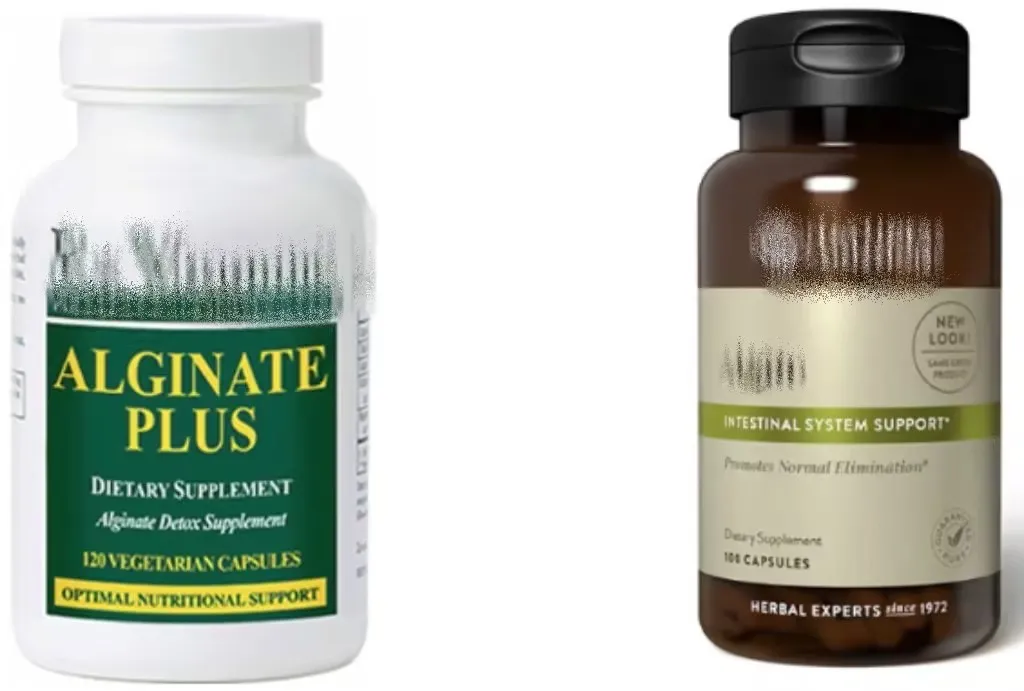
In the health supplement industry, the core application of alginate oligosaccharide primarily revolves around gut health. As a high-quality prebiotic, it can be selectively fermented and utilized by beneficial bacteria in the gut, such as Lactobacillus and Bifidobacterium, helping to maintain gut microbiota balance by promoting probiotic proliferation and increasing the production of short-chain fatty acids. Furthermore, AOS oligosaccharides have been shown to have the potential to improve learning and memory, providing a scientific basis for developing functional health supplements targeting brain health. Benefiting from its dual effects of regulating gut microbiota and neuroprotection, alginate oligosaccharide are becoming a core new ingredient in functional foods and health supplement formulations.
alginate oligosaccharide skincare products
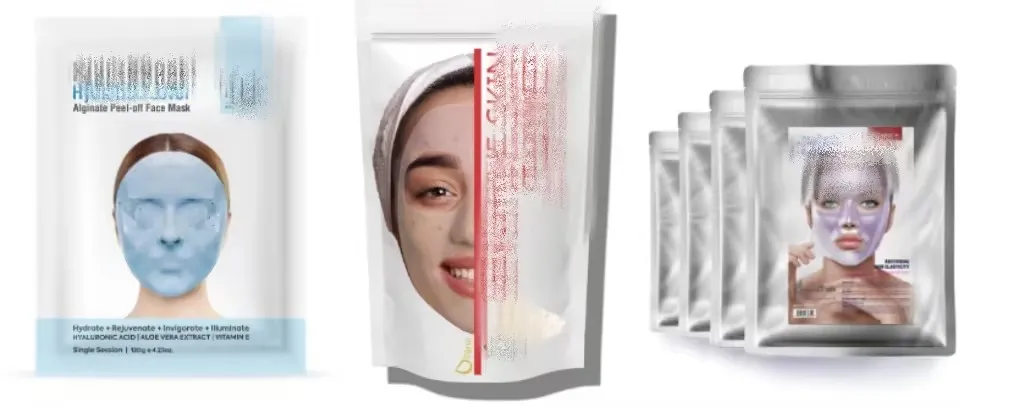
In the skincare industry, alginate oligosaccharide have been widely added to various types of end products. In serums, its small molecule, highly penetrating properties enable deep repair and anti-photoaging; in lotions, creams, and ointments, it primarily provides basic moisturizing, barrier strengthening, and anti-aging benefits; in masks, its film-forming and occlusive properties provide highly effective emergency hydration and soothing redness relief. Furthermore, alginate oligosaccharide powder are also commonly found in sunscreens and after-sun repair products, used to help protect against UV damage and alleviate post-sun inflammation.
alginate oligosaccharide Fertilizer
Foliar sprays containing brown algae oligosaccharides AOS(such as water-soluble fertilizers containing macronutrients) utilize their small molecular size and high permeability to be rapidly absorbed through leaves, enhancing crop resistance and promoting photosynthesis. Fertigation and drip irrigation products, applied through the root system, effectively promote root development, increase lateral root numbers, and improve fertilizer utilization. Furthermore, seed dressing agents and seed treatment products (such as brown algae oligosaccharide seed treatment agents) can activate seed germination metabolism, improving germination vigor and seedling uniformity.
Is alginate oligosaccharide safe?
AOS has good safety. At the international regulatory level, alginate has been approved for use as a food additive by the US FDA and the EU EFSA. In 2026, China's National Health Commission officially approved it as a new food ingredient, recommending a daily intake of no more than 4 grams. However, due to insufficient safety data for infants, pregnant women, and breastfeeding women, these groups should not consume it. Therefore, within the recommended dosage range, AOS are safe and reliable for the general population.
Where to buy alginate oligosaccharide AOS powder?
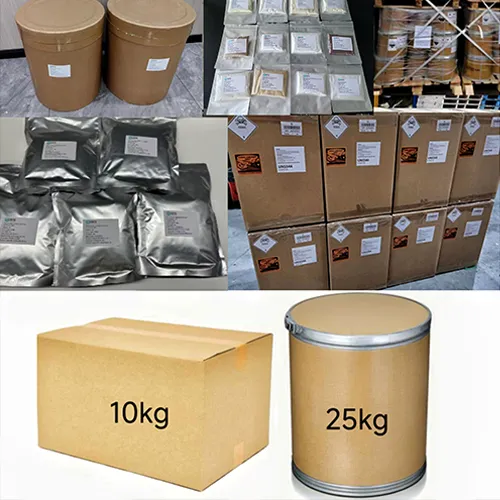
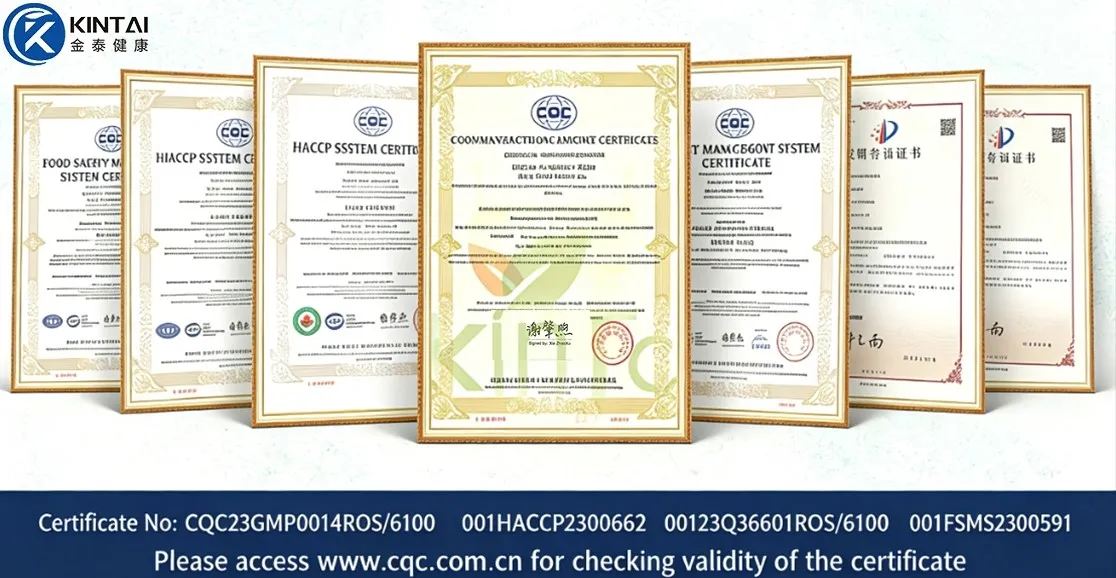
Healthkintai®'s alginate oligosaccharide powder are made from high-quality brown algae, featuring precisely controllable polymerization degree, uniform molecular weight distribution, and high batch stability. They have passed rigorous quality testing system certification. These products exhibit excellent water solubility and complete activity retention, making them widely applicable in functional foods, health supplements, agricultural fertilizers, and skincare products. Our AOS Powder comply with national food safety standards. We support customized bulk AOS supply with different polymerization degrees and specifications, providing comprehensive technical support and compliance documentation to help your products reach market quickly.Contact us at info@kintaibio.com.
Hot Tags: alginate oligosaccharide aos powder, China alginate oligosaccharide aos powder manufacturers, suppliers, factory


