



Rosmarinic Acid Powder Supplier/Manufacturer/Factory
Rosmarinic acid (also known as acid rosmarinic) is a natural water-soluble polyphenol active ingredient, primarily extracted from dried rosemary leaves. This ingredient delivers powerful free radical scavenging and antioxidant performance, alongside broad-spectrum anti-inflammatory, antibacterial, soothing, and anti-allergy stabilizing benefits. It further supports vascular protection and skin barrier repair, is widely applied in natural food preservation, functional cosmetics, dietary supplements, pet nutritional products, and topical pharmaceutical raw materials.
Healthkintai® is a professional manufacturer and supplier specializing in the R&D and supply of plant extracts, with skincare ingredients and dietary supplement ingredients as our flagship product lines. We offer a full range of specifications of wholesale rosmarinic acid powder to meet diverse demands from global overseas buyers: low-purity composite extracts of 5% and 10% are ideal for food preservation and basic daily chemical products; medium-purity 50% and 60% grades are best-selling regular purchases for overseas cosmetic and dietary supplement manufacturers; and the high-purity rosmarinic acid monomer of 98% is customized for pharmaceutical manufacturers and premium salon skincare brands.
|
Product Name |
Plant Source |
Active Ingredients |
Specifications |
Test Method |
|
Rosmarinic Acid Powder |
Rosemary leaves |
Rosemary extract rosmarinic acid |
5%, 10%, 50%, 60%, 98% |
HPLC |

KINTAI Rosmarinic Acid Powder COA


Rosmarinic Acid Solubility
Rosmarinic Acid Solubility in Water
Rosmarinic acid is a water-soluble polyphenol with strong polarity. It dissolves in room-temperature water; it dissolves faster and achieves higher solubility in hot water. Clear and stable aqueous solutions can be prepared, making it suitable for water-based products such as beverages, water-based skincare formulations and oral liquids.
This active ingredient is readily soluble in strongly polar organic solvents including methanol, ethanol and acetone. It is slightly soluble in moderately polar esters like ethyl acetate, while practically insoluble in weakly polar oils such as petroleum ether and vegetable oils. Solubilizers are required if it is to be incorporated into pure oil formulations.
|
Solvent Category |
Specific Solvents |
Solubility Performance |
|
Strongly Polar Solvents |
Purified water, methanol, ethanol, acetone |
Freely soluble; dissolves rapidly at room temperature, with higher solubility in hot water |
|
Moderately Polar Solvents |
Ethyl acetate |
Slightly soluble; only a small amount of rosmarinic acid can be dissolved |
|
Weakly Polar & Lipophilic Solvents |
Petroleum ether, n-hexane, vegetable oil, mineral oil |
Practically insoluble; cannot be directly dispersed in pure oil formulas |
Rosmarinic Acid Purification Methods
1. Raw Material Pretreatment and Low-Temperature Extraction
Rosmarinus officinalis plants are dried at low temperature and pulverized into powder. A 65% aqueous ethanol solution is used as the extraction solvent. Efficient auxiliary technologies such as ultrasonic-assisted extraction and subcritical water extraction can be adopted to improve extraction efficiency. The whole process is carried out at low or room temperature to avoid thermal oxidation and degradation of rosmarinic acid and maximize the retention of active ingredients.
2. Solid-Liquid Separation and Vacuum Concentration
After extraction, solid residues are removed via filtration and centrifugation to obtain a clarified crude extract. The crude extract is concentrated under reduced pressure at low temperature to recover and recycle ethanol solvent, enrich active ingredients simultaneously, and obtain a high-concentration crude rosmarinic acid concentrate.
3. Solvent Extraction and Purification
Ethyl acetate is used for fractional extraction of the crude concentrate to selectively enrich rosmarinic acid. It effectively removes impurities such as polysaccharides, proteins, greases and pigments, improves the purity of the feed solution, and completes refining and impurity removal.
4. Spray Drying and Powder Forming
The purified feed solution is filtered and adjusted to a suitable solid content. Low-temperature spray drying technology is applied for instantaneous dehydration and forming. The stability of active ingredients is guaranteed throughout the process, and the final rosmarinic acid powder with stable purity and good fluidity is prepared.
Regulatory Status of Rosmarinic Acid
EU EFSA
In the EU, conventional rosemary extract is classified as food additive E392, with an acceptable daily intake (ADI) of 0–0.3 mg/kg body weight established by the EFSA. It is widely permitted for use in oils, meat products, animal feed and cosmetics. Highly purified rosmarinic acid monomer does not hold standalone food authorization; a full Novel Food application procedure must be completed before it can be used in general foods. Antioxidant-related functional claims are allowed for food supplements, while the ingredient is listed in the CosIng inventory for cosmetics, subject only to completion of a CPSR safety assessment.
The USA
The US FDA recognizes rosemary herb and conventional extracts as GRAS substances, which can be used as flavorings and food antioxidants. Dietary supplements are regulated under the DSHEA, requiring no pre-market approval and permitting structure-function claims related to antioxidant status and oxidative stress. For cosmetics, the ingredient is acceptable following a CIR safety assessment, and blended rosemary extracts also comply with GRAS provisions for animal feed applications.
Japan
Japan's Ministry of Health, Labour and Welfare (MHLW) and PMDA approve conventional rosemary extracts as natural food antioxidants. Naturally occurring rosmarinic acid present in rosemary can circulate without restrictions. Highly purified monomers are eligible for Foods with Function Claims; upon submission of human trial and safety data, compliant functional labels such as antioxidant and mood-soothing may be applied. No explicit concentration limits are set for cosmetic use, only complete raw material test reports are required.
Carnosic acid and Rosmarinic acid


Both carnosic acid and rosmarinic acid are core natural phenolic active substances in the leaves of rosemary from the Lamiaceae family, serving as characteristic functional components of rosemary extract. They both exhibit multiple biological activities, including antioxidant, anti-inflammatory and neuroprotective effects.
However, they differ completely in chemical skeleton and lipophilic-hydrophilic properties. Carnosic acid is a lipophilic diterpenoid phenolic acid that is poorly soluble in water and thermally stable. It mainly exerts antioxidant effects in lipid systems and can be oxidized into carnosol to sustain its activity. Rosmarinic acid is a water-soluble polyphenolic ester, readily soluble in water and alcohols, with prominent functions of aqueous-phase antioxidation, broad-spectrum antibacterial activity and anti-allergy effects.
What Are the Benefits of Rosmarinic Acid?
Rosmarinic Acid Antioxidant
The ortho-dihydroxyphenyl groups in the molecular structure of rosmarinic acid can rapidly capture and neutralize reactive oxygen species such as superoxide anion and peroxynitrite, directly interrupting the chain reaction of lipid peroxidation through hydrogen donation or electron transfer. Meanwhile, its conjugated dienoic acid structure enables it to chelate transition metal ions like iron and copper, thereby inhibiting the Fenton reaction at its source and preventing the generation of highly toxic hydroxyl radicals.
More critically, rosmarinic acid is not passively consumed; it can actively penetrate cell membranes and prompt cells to upregulate the production of endogenous antioxidant enzymes, including superoxide dismutase, glutathione peroxidase, and heme oxygenase-1, thus building a long-lasting defensive barrier for the cells. Owing to this dual offensive-and-defensive characteristic, the in vitro antioxidant activity of rosmarinic acid typically far exceeds that of vitamin E and synthetic antioxidants, and it also exhibits excellent thermal stability.
Therefore, in practical applications such as retarding the oxidative rancidity of food oils, protecting neurons from oxidative stress damage, and anti-inflammatory skincare, even trace amounts can exert significant protective effects.

Rosmarinic Acid Benefits for Skin
Rosmarinic acid boasts outstanding antioxidant capacity. It effectively neutralizes free radicals generated by environmental stressors and activates the skin's innate antioxidant defense to counteract photoaging triggered by UV rays and pollution, alleviating collagen loss, dull complexions and fine dry lines.
Meanwhile, it blocks skin inflammatory signaling pathways to soothe redness, sensitivity and dry itching. It inhibits matrix metalloproteinases that break down collagen, preserves skin collagen and elastic fibers, and delays sagging and aging. Additionally, it stimulates ceramide synthesis to strengthen the skin barrier and relieve flakiness, suppresses Propionibacterium acnes to calm inflamed acne, and gently modulates tyrosinase activity to reduce melanin accumulation.
It delivers comprehensive skincare benefits including antioxidant anti-aging, soothing barrier repair, relief of inflammatory breakouts and brightening to fade dark spots, suitable for daily care of all skin types prone to oxidation, sensitivity, dullness and acne.

Rosmarinic Acid Benefits for Hair
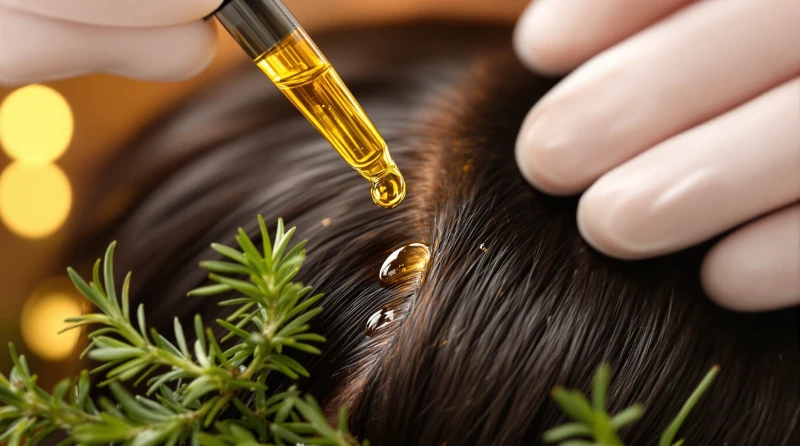
Rosmarinic acid offers multiple protective and nourishing benefits for hair. Its core action lies in its potent antioxidant properties, which effectively scavenge free radicals around the scalp hair follicles, reduce oxidative stress damage to follicular cells, and thus create a healthy environment for hair growth. At the same time, it promotes scalp blood circulation, improves the nutrient supply to hair follicles, thereby stimulating hair growth and, to some extent, helping to alleviate hair loss issues.
In addition, rosmarinic acid possesses anti-inflammatory and antibacterial properties, which help reduce dandruff and soothe scalp irritation. More importantly, studies have confirmed that extracts rich in rosmarinic acid can effectively protect hair from ultraviolet (UV)-induced protein damage, helping to maintain color retention and hair strand strength.
Rosmarinic Acid Benefits for Allergies
Rosmarinic acid is a natural polyphenolic compound. First, it can directly inhibit mast cell degranulation, block the release of histamine and inflammatory mediators, and interfere with reactive oxygen species bursts and calcium influx in allergic signaling pathways. Second, it modulates immune balance by suppressing overactivated inflammatory responses, thereby alleviating allergic airway inflammation and skin inflammation. Finally, when taken orally, rosmarinic acid can also influence the gut microbiota, reduce pro-inflammatory metabolites, and enhance intestinal barrier function, thus indirectly alleviating pulmonary and systemic allergic symptoms.
Based on these combined actions, rosmarinic acid has demonstrated favorable alleviating effects in various conditions such as allergic asthma, allergic rhinitis, atopic dermatitis, and food allergies, making it a safe and effective natural anti-allergic active ingredient.

Contact Us Now for Samples.>>>
Rosmarinic Acid Uses
Rosmarinic Acid Natural Preservation
As a compliant natural antioxidant and preservative, rosmarinic acid serves as a full replacement for synthetic antioxidants such as BHA and BHT, meeting the demands of clean-label food reformulation. It can be incorporated into animal and vegetable oils, meat products, aquatic foods, nuts, baked goods, braised foods, condiments and premium beverages. It blocks lipid chain oxidation to retard rancidity, while delivering broad-spectrum antibacterial and color-protecting effects, extending the shelf life of food and preserving the original color and flavor of ingredients. Its safety has been certified by food additive authorities in multiple countries.

Rosmarinic Acid Skincare Products
In skincare products, rosmarinic acid is incorporated into anti-aging serums, soothing repair creams, brightening spot-fading essences, after-sun care items and sunscreen booster formulas. It eliminates environmental free radicals, inhibits collagen-degrading enzymes, relieves redness and sensitivity, and suppresses tyrosinase to fade dullness and pigment spots. Meanwhile, it can partially replace synthetic preservatives to streamline product formulas.
For hair care, it is applied in shampoos, scalp serums and conditioners to regulate scalp sebum secretion, suppress harmful flora, alleviate dandruff and itchiness, stabilize hair follicles to reduce hair loss, and repair damaged hair cuticles. It is also added to body lotions, body washes, deodorant soaps, facial masks and other personal care products.

Rosmarinic Acid Supplements
Rosmarinic acid is applied in dietary supplements including tablets, capsules, oral liquids and oral beauty powders, with raw materials categorized into food-grade and high-purity extract grades based on purity. Taken orally, it supports the development of multi-functional products relying on its endogenous antioxidant, anti-inflammatory, neuroprotective and anti-glycation properties. Nutritional supplements for joint comfort are formulated to relieve joint inflammation, while products for brain health and memory & cognitive improvement are developed leveraging its neuroprotective activity.


Rosmarinic Acid Medicinal Uses
High-purity pharmaceutical-grade rosmarinic acid is used as a raw material for topical preparations targeting inflammatory skin disorders such as dermatitis, acne and rosacea in clinical applications, which alleviates skin redness, swelling and itching and repairs inflammatory lesions. Pharmacological studies have verified its anti-inflammatory, neuroprotective, antiviral and metabolic-regulating effects, and relevant preparations for chronic inflammation, neurodegenerative conditions and metabolic damage are under continuous research and development. It can also act as a synergistic auxiliary ingredient in Chinese patent medicines and topical ointments. With low toxicity and mild properties, it possesses greater safety potential for development compared with chemical anti-inflammatory agents.
Rosmarinic Acid Dosage
|
Application Field |
Purpose |
Recommended Dosage Range |
Notes & Considerations |
|
Dietary Supplements |
General Antioxidant Support |
50 mg - 500 mg per day |
Often found in blends. A common standalone dose is between 100-300 mg daily. Always follow product-specific labels. |
|
Anti-inflammatory / Immune Support |
200 mg - 600 mg per day |
Doses in clinical studies often fall within this range. Higher doses should be used under guidance. |
|
|
Skin Care Cosmetics |
Creams, Serums, Lotions |
0.1% - 1.0% |
Effective for antioxidant, anti-aging, and brightening benefits. Well-tolerated at these concentrations. |
|
Food Preservation |
Fats & Oils, Meat Products |
0.01% - 0.1% (100 - 1000 ppm) |
Used as a natural antioxidant to retard rancidity and extend shelf life. Often combined with Vitamin E. |
|
Beverages, Bakery Goods |
0.005% - 0.05% (50 - 500 ppm) |
Lower doses are sufficient for protecting against oxidation in water-based or complex matrices. |
Where to Buy Rosmarinic Acid?
Healthkintai® integrates independent R&D, production and export sales, with 13 years of industrial accumulation and practical manufacturing experience. Rosmarinic acid sources rosemary is our flagship core product. We offer a full range of specifications from 5% to 98% to perfectly fit different formulations, and customized products with special indicators are also available.
As a direct manufacturer with large-scale self-owned production lines, we eliminate intermediate markups, delivering competitive rosmarinic acid prices. Volume discounts are available for bulk orders.
We can provide a full set of supporting documents upon request throughout cooperation, including Certificate of Analysis (COA), Material Safety Data Sheet (MSDS), long-term stability test data, production licenses, factory GMP certificates and third-party test reports. These documents fully support customs clearance and product registration overseas.
Please feel free to contact us at health@kintaibio.com if you need samples or price quotations of bulk rosmarinic acid powder.

FAQ
Q: What plants are high in rosmarinic acid?
A: Rosmarinic acid is widely distributed in the plant kingdom, but its highest concentrations are mainly found in the families Lamiaceae and Boraginaceae. Among them, rosemary itself is a typical representative, and studies have shown that the rosmarinic acid content in the leaves of large leaved rosemary can reach 7,572.67 mg·kg⁻¹. In addition, common plants such as perilla (with crude extract content up to 7.87% in some varieties), mint (with content ranging from 2.01% to 5.54%), Prunella vulgaris, coleus, Chinese mesona (Mesona chinensis), basil, lemon balm (with content about 2.2%–5.5%), and Rabdosia serra (or Isodon serra) are also rich in rosmarinic acid.
Q: Is rosmarinic acid safe?
A: Based on existing research, rosmarinic acid is considered safe at conventional dosages. Multiple studies have provided evidence for its safety: in vitro cell experiments have shown no cytotoxicity at certain concentrations; a clinical study in healthy individuals found that a single intake of 500 mg of rosmarinic acid did not affect liver or kidney function, and no adverse events were reported; in another study, patients with mild dementia who took an extract containing 500 mg of rosmarinic acid daily also demonstrated good safety and tolerability.
Hot Tags: rosmarinic acid powder, China rosmarinic acid powder manufacturers, suppliers, factory, Caffeic Acid Powder, Cinnamon Extract Powder, Stevia Leaf Extract Powder, food additives, Ginger Extract Powder, bromelain extract powder


