


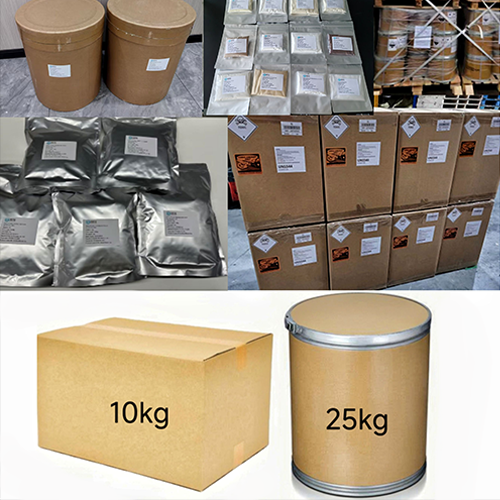
Magnesium Malate Powder
Healthkintai® is a manufacturer and supplier of Magnesium Malate Powder. It is an organic compound composed of magnesium and malic acid, usually existing as a white powder. Due to its high bioavailability, it is considered a high-quality magnesium malate bulk powder supplement. In terms of source, it is not a natural extract, but rather a nutritional additive made by combining magnesium ions with malic acid (a compound naturally found in fruits such as apples). Regarding efficacy, the most significant feature of magnesium malate is its support for muscle and energy metabolism. Magnesium, as a cofactor for many enzymes, participates in ATP synthesis, while malic acid itself is an intermediate product of the cellular energy cycle (Krebs cycle). The synergistic effect of both helps relieve muscle soreness and fatigue. We have 11%, 15%, and 20% Pure Magnesium Malate Powder. Contact us at info@kintaibio.com.
|
Product Name |
Specification |
Test Method |
|
magnesium malate Powder |
11%magnesium malate |
HPLC |
|
15%magnesium malate |
HPLC |
|
|
20%magnesium malate |
HPLC |


KINTAI magnesium malate Powder COA

what does magnesium malate do?
The mechanism of action of magnesium malate mainly involves the synergistic effects of magnesium ions and malate in cellular metabolism and neuromuscular function. First, magnesium plays a crucial role in the synthesis and utilization of adenosine triphosphate (ATP), stabilizing the phosphate groups of ATP molecules to release energy for cellular use. Simultaneously, magnesium antagonizes the influx of calcium ions into cells, relieving nerve and muscle tension and excitation. Second, malate is a core intermediate in the citric acid cycle and directly participates in the oxidative phosphorylation of pyruvate and fatty acids in mitochondria, promoting efficient ATP production. Through their synergy, malate not only acts as an energy substrate driving the cycle but also helps magnesium ions enter mitochondria more effectively, increasing the ATP regeneration rate and reducing lactic acid accumulation.

magnesium malate vs citrate
Magnesium malate and Magnesium Citrate are both highly bioavailable organic magnesium supplements, but they differ significantly in chemical structure, metabolic pathways, and applicable scenarios. In terms of absorption mechanisms, both rely on organic acid carriers to promote magnesium ion dissolution and reduce dependence on stomach acid. However, magnesium citrate focuses more on preventing kidney stones through the chelation of calcium oxalate by citrate, while malate emphasizes active support for cellular energy production. Regarding efficacy, citrate is known for its gentle and reliable osmotic laxative effect, effectively increasing intestinal water content and is often used to relieve occasional constipation or for bowel preparation before colonoscopy. Magnesium malate is more suitable for combating chronic fatigue, muscle soreness, or energy deficiency associated with fibromyalgia.
Overall, if the primary purpose is to improve constipation and provide mild relaxation, citrate is a more cost-effective choice; if long-term support for energy metabolism and relief of muscle stiffness or exercise fatigue is required, magnesium malate pure is more advantageous.

What are magnesium malate benefits?

magnesium malate for sleep
The sleep-improving effects of pure magnesium malate powder bulk are primarily due to the regulatory mechanisms of magnesium ions on the central nervous system and circadian rhythms. Magnesium participates in regulating the synthesis and secretion of melatonin, helping to establish a stable sleep-wake cycle. Multiple observational studies have shown that magnesium malate supplementation can shorten sleep onset time, increase deep sleep duration, and alleviate neuromuscular symptoms that interfere with sleep, such as restless legs syndrome. It is particularly suitable for individuals experiencing sleep disorders due to stress, chronic fatigue, or muscle soreness.
magnesium malate and constipation
Magnesium malate has a relatively mild effect on constipation. Magnesium ions can still form an osmotic gradient in the intestines, retaining water in the intestinal lumen, thereby increasing stool volume and stimulating intestinal peristalsis, thus providing some relief from constipation. This property is more suitable for people with mild constipation or those who also experience fatigue and muscle soreness, as it avoids dehydration and electrolyte imbalance caused by an overly strong laxative effect.


magnesium malate for energy
Magnesium Malate has a unique dual mechanism of action in boosting energy. Working synergistically, malate helps magnesium ions be transported more efficiently into the mitochondria, accelerating aerobic metabolic flux and reducing the accumulation of fatigue metabolites such as lactic acid. This mechanism makes magnesium malate powder particularly suitable for combating chronic fatigue syndrome, slow post-exercise recovery, and fatigue associated with muscle energy metabolism disorders. Compared to other forms of magnesium supplements, its targeted support for cellular energy production is more pronounced.
magnesium malate for muscle pain
Magnesium malate's effect on muscle soreness is based on a synergistic mechanism between magnesium and malic acid. Magnesium malate powder has a beneficial effect on chronic muscle pain conditions such as fibromyalgia syndrome, significantly reducing tenderness. Furthermore, the organic malic acid-bound form enhances magnesium absorption, allowing it to reach target tissues more quickly. For delayed onset muscle soreness (DOMS) after acute exercise, magnesium malate supplementation helps shorten recovery time and reduce pain intensity.


magnesium malate for kids
Pure bulk magnesium malate primarily benefits children by supporting normal development of the nervous system, muscles, and energy metabolism. Children are in a period of rapid growth, and magnesium participates in bone mineralization, protein synthesis, and nerve signal transmission. Malate, as an intermediate product of energy cycling, can help alleviate fatigue caused by academic or physical activity. For children with attention deficit, irritability, or mild sleep problems, appropriate amounts of magnesium malate can regulate gamma-aminobutyric acid (GABA) receptors and the melatonin synthesis pathway, thus calming emotions and improving sleep onset.
benefits of magnesium malate for women
Magnesium malate powder plays a wide range of roles in women's health, including menstrual health, mood regulation, bone protection, and energy metabolism. For premenstrual syndrome (PMS), magnesium can effectively alleviate common symptoms such as bloating, mood swings, anxiety, and breast tenderness by regulating prostaglandin synthesis and inhibiting excessive NMDA receptor excitation. The presence of malate further enhances magnesium bioavailability and reduces gastrointestinal burden. During perimenopause, magnesium helps reduce nighttime leg cramps, improves sleep quality, and works with calcium to maintain bone density, thus reducing the risk of osteoporosis.

magnesium malate uses
magnesium malate supplement
The uses of magnesium malate in dietary supplements primarily revolves around three major advantages: high bioavailability, low gastrointestinal irritation, and unique energy metabolism support. Commercially available formulations are often in magnesium malate capsules, tablet, or powder form. Due to its organic magnesium salt properties, it dissociates without requiring significant amounts of stomach acid, making it suitable for elderly individuals with reduced gastric acid secretion or patients taking antacids long-term. In the sports nutrition market, magnesium malate powder is used to promote post-exercise recovery, reduce muscle soreness, and improve endurance performance, often in combination with magnesium complexes or B vitamins. In health management, it is widely recommended for individuals with chronic fatigue syndrome, fibromyalgia, or those experiencing energy deficiency under constant stress.

magnesium malate food
Magnesium malate in functional foods mainly revolves around its three roles: as a nutritional fortifier, a flavoring agent, and an antioxidant. Due to its high water solubility, bioavailability, and excellent flavor-modifying ability, it is frequently added to magnesium malate gummies,oral liquids, solid beverages, sports drinks, and foods for special medical purposes. Specifically, it not only effectively supplements dietary magnesium to combat fatigue and support nerve and muscle function, but also enhances the taste of food by utilizing the acidity of malic acid, and extends product shelf life through its antioxidant properties.

magnesium malate dosage
According to data from authoritative official bodies such as the European Food Safety Authority and the German Federal Institute for Risk Assessment, the key limitation on the dosage of magnesium malate as a magnesium supplement is that the daily intake of elemental magnesium from supplements should not exceed 250 mg. This upper limit is primarily to avoid gastrointestinal discomfort such as osmotic diarrhea caused by excessive magnesium intake. It is important to note that magnesium malate 1000 mg or magnesium malate 400 mg on commercially available product labels usually refers to the total weight of the magnesium malate powder complex, not the actual elemental magnesium content; for example, 1000 mg of magnesium malate bulk complex may only provide approximately 115 mg of elemental magnesium.
What are magnesium malate side effects?
Magnesium malate pure, a common magnesium supplement, is generally well-tolerated, but in some cases, especially at higher doses, it can cause side effects. Although rare, daily doses exceeding 5000 mg can lead to magnesium poisoning, with serious symptoms including low blood pressure, facial flushing, muscle weakness, and abnormal heart rhythms. Furthermore, magnesium malate bulk powder may interact with certain medications, such as diuretics, some antibiotics, and bisphosphonates used to treat osteoporosis; therefore, people taking these medications or with kidney disease should consult a doctor before supplementing.

where to buy magnesium malate powder?
Choosing our magnesium malate powder is primarily based on three core advantages. First, high quality: we use high-purity malic acid and premium magnesium. Each batch undergoes rigorous third-party testing for heavy metals, microorganisms, and residual solvents. The powder has uniform particle size, good flowability, and high bioavailability, suitable for various dosage forms such as tablets, capsules, and solid beverages. Second, customizable formulations: we can flexibly adjust magnesium content, particle size distribution, flowability, and excipient premixing schemes according to customer needs. Third, we hold multiple international certifications, including cGMP, ISO 22000, and Halal. All export batches are accompanied by a Certificate of Analysis (COA) and stability data. Buy magnesium malate powder bulk,contact us at info@kintaibio.com.

FAQ
Q: How much magnesium malate should I take?
A:
The recommended dosage depends on your age, gender, and specific health needs. For general supplementation, a typical dose provides 200–400 mg of elemental magnesium per day from magnesium malate. Always check the label for elemental magnesium content (not just the total compound weight). It's best to start with a lower dose (e.g., 200 mg) and adjust as needed. Consult a healthcare professional before starting any new supplement, especially if you have a medical condition or are taking medication.
Q: Can magnesium malate cause headaches?
A:
Headaches are not a common side effect of magnesium malate. In fact, magnesium is often used to help relieve tension headaches and migraines. However, in rare cases, some individuals may experience mild headaches when first starting supplementation due to changes in electrolyte balance or detoxification reactions. If headaches persist, reduce the dose or discontinue use and consult a doctor. Dehydration or taking too much magnesium could also be contributing factors.
Q: 3. Can magnesium malate cause insomnia?
A:
Generally, magnesium malate does not cause insomnia. In contrast, magnesium is well known for supporting relaxation and better sleep. However, a small percentage of people report feeling more alert or energized after taking magnesium malate – this is more likely due to the malic acid component, which plays a role in energy production. If you experience difficulty sleeping, try taking your dose earlier in the day (e.g., morning or afternoon) rather than at night.
Q: Can magnesium malate help you sleep?
A:
Yes, magnesium malate may indirectly support sleep. While magnesium glycinate is most commonly recommended for sleep issues, magnesium malate also helps regulate neurotransmitters like GABA and reduces cortisol levels, which can promote relaxation. However, because malic acid is involved in energy metabolism, some people find magnesium malate more suitable for daytime use. If your primary goal is sleep support, you might prefer magnesium glycinate, but magnesium malate can still be beneficial for many individuals.
Q: Can you take magnesium malate at night?
A:
Yes, you can take magnesium malate at night, but it depends on how your body responds. Some people tolerate it well before bed and experience relaxation; others may feel slightly more energized due to the malate component. If you notice that taking it at night makes it harder to fall asleep, simply switch to taking it in the morning or early afternoon. Start with a nighttime dose and adjust based on your personal response.
Q: Can you take magnesium malate while pregnant?
A:
You should consult your healthcare provider before taking magnesium malate during pregnancy. Magnesium is an essential mineral during pregnancy and is often recommended to help with leg cramps, muscle tension, and constipation. However, not all forms of magnesium have been equally studied in pregnancy. pure bulk magnesium malate
is generally considered safe when taken at recommended doses, but your doctor can help determine the right form and dosage for your specific situation. Avoid exceeding the upper limit for supplemental magnesium during pregnancy (typically around 350 mg/day from supplements, unless directed otherwise by a physician).
Hot Tags: magnesium malate powder, China magnesium malate powder manufacturers, suppliers, factory, capsicum annuum fruit extract, Lappaconitine Hydrobromide, Bitter Orange Extract Synephrine Powder, Capsaicin Powder, Gentiopicroside Powder, Quercetin Powder


