

ca-akg Powder Manufacturers and Suppliers
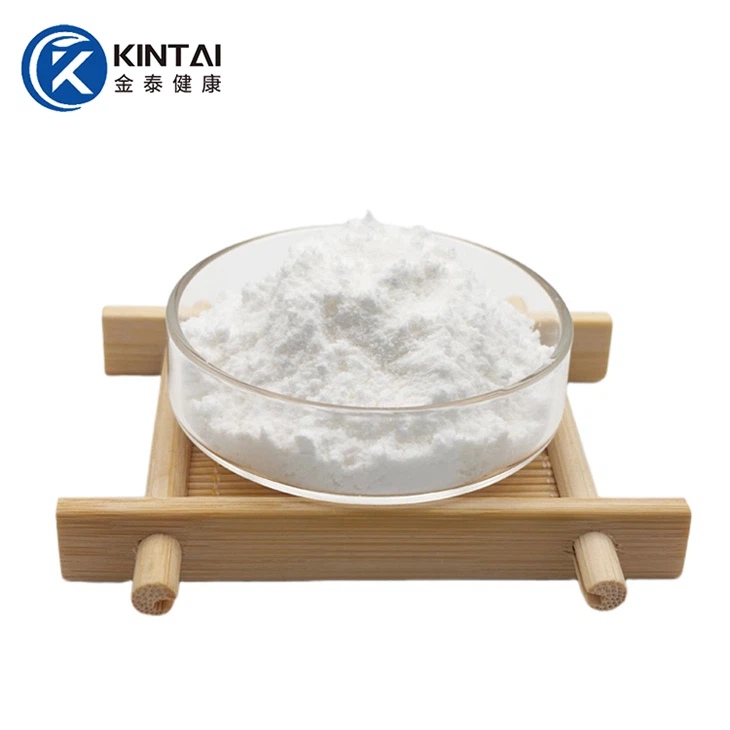
Healthkintai® is a manufacturer and supplier of Ca-AKG calcium alpha-ketoglutarate powder. It is a compound formed by the combination of calcium ions and alpha-ketoglutarate (AKG). It can be industrially produced through methods such as bio-fermentation or chemical synthesis to meet the demand for dietary supplements. In terms of efficacy, Ca-AKG has attracted much attention due to its potential in the field of anti-aging. Studies have shown that Ca-AKG supplementation helps restore AKG levels that naturally decline with age. We offer you 99% Ca-AKG powder. Contact us at info@kintaibio.com.
| Product Name | Specification | Source | Test Method |
| Ca-AKG Powder | 99%Ca-AKG | Synthesis | HPLC |
| AKG Powder | 99%AKG | Synthesis | HPLC |
| AAKG Powder | L-arginine: α-ketoglutarate calcium (1:1/2:1) | Synthesis | HPLC |
ca-aKG Relevant regulations
Under the regulatory framework of the U.S. Food and Drug Administration (FDA), Ca-AKG (calcium alpha-ketoglutarate) is considered an Old Dietary Ingredient and is permitted for legal use in the United States. While the FDA does not approve dietary supplements in the same way it approves new drugs, companies can confirm the safety of their ingredients for specific uses through the Self-GRAS (Self-Recognized As Safe) expert review process. To date, some companies' Ca-AKG products have completed third-party expert panel scientific evaluations according to the FDA's GRAS guidelines and obtained Self-GRAS certification, meaning that this ingredient is recognized for sale as a food ingredient in the U.S. market.
How to make ca-akg powder?
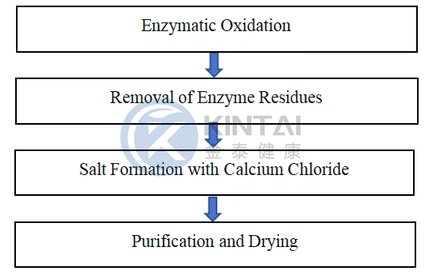
Enzymatic Oxidation
L-glutamic acid is dissolved in water, and L-glutamate oxidase together with catalase is added as biocatalysts. The mixture is stirred at 20–40°C while air or pure oxygen is bubbled through for about 22 hours. The oxidase converts L-glutamate into α-ketoglutarate, ammonia, and hydrogen peroxide, while catalase immediately decomposes the peroxide into water and oxygen, preventing enzyme deactivation and driving the reaction forward efficiently.
Removal of Enzyme Residues
After the enzymatic reaction, the solution contains α-ketoglutarate along with spent enzymes and microbial cells that must be removed for product purity. Diatomaceous earth is added as a filter aid, and the mixture is stirred for 30 minutes to adsorb fine particles. The solid residue is then removed by suction or pressure filtration, yielding a clear α-ketoglutarate filtrate ready for the next step.
Salt Formation with Calcium Chloride
Calcium chloride is dissolved in water and slowly added dropwise to the clarified α-ketoglutarate solution under stirring at room temperature. The amount of calcium chloride added is 1.0–1.2 times the molar quantity of α-ketoglutarate to ensure complete reaction. As calcium ions combine with α-ketoglutarate ions, a white precipitate of Ca-AKG forms and gradually crystallizes. The mixture is stirred for about 15 hours to maximize product yield.
Purification and Drying
The precipitate is heated to 50°C, stirred for one hour, and filtered hot to collect the crude product. The filter cake is rinsed with pure water, then recrystallized by dissolving in 10 volumes of hot water at 60°C, cooling slowly, and filtering hot again to remove impurities such as calcium carbonate. Finally, the purified solid is dried at 50°C to obtain Ca-AKG with over 99% purity.
calcium alpha ketoglutarate vs alpha ketoglutarate
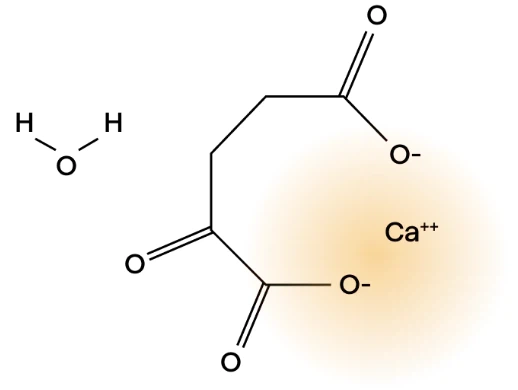
Ca-AKG is a stable compound formed by the combination of AKG and calcium ions.AKG itself is highly hygroscopic and extremely unstable, easily deteriorating upon contact with air, making it unsuitable for direct storage as a supplement; Ca-AKG, on the other hand, utilizes the combination of calcium ions and AKG to form a stable organic salt, significantly improving its stability and allowing it to be formulated into convenient powders or tablets for storage and consumption.
Functionally, pure alpha ketoglutarate is more quickly absorbed by the intestines after entering the body, directly participating in energy metabolism and protein synthesis, but its potential drawback is its susceptibility to degradation in the acidic environment of the stomach. Calcium Alpha Ketoglutarate, however, is more stable in stomach acid, allowing it to reach the small intestine smoothly for further breakdown, slowly releasing AKG and calcium ions. This means it not only provides the anti-aging and muscle-function-improving benefits of AKG but also incidentally supplements calcium.
ca aKG vs NMN
While both Ca-AKG (calcium alpha-ketoglutarate) and NMN (beta-nicotinamide mononucleotide) are currently classified as anti-aging supplements, their mechanisms of action and focuses in the body are completely different. Ca-AKG is a core energy substrate in the tricarboxylic acid cycle, its main function being to enhance mitochondrial function and help cells efficiently convert nutrients into energy. Furthermore, it can slow the aging process by inhibiting chronic inflammation (i.e., reducing age-related inflammation levels) and improving epigenetic aging markers, particularly helping to maintain bone health, muscle function, and promote intestinal barrier repair.
NMN, on the other hand, follows a different metabolic pathway than Ca-AKG; it is a direct precursor to NAD+ (nicotinamide adenine dinucleotide). With age, NAD+ levels in the body decline significantly, leading to weakened DNA repair capabilities and stagnant energy metabolism. The main purpose of beta-nicotinamide mononucleotide supplementation is to rapidly increase NAD+ levels in the body, thereby activating longevity-related Sirtuins (deacetyltransferases), enhancing cellular self-healing and repair capabilities, and showing greater prominence in improving DNA damage, maintaining vascular health, and improving metabolic flexibility.
What are ca-AKG benefits?

ca-AKG for grey hair
The efficacy of Ca-AKG in improving gray hair primarily stems from an animal study. In an experiment with aged female mice, it supplementation significantly prevented age-related hair graying; the experimental group mice maintained their coat color better and had a significantly higher number of hair follicles than the unsupplemented control group. This effect is closely related to its anti-aging properties: The powder can reduce age-related chronic inflammation and slow the rate of DNA methylation that increases with age, both of which are key factors leading to hair graying and tissue dysfunction.
ca aKG for skin
The benefits of Ca-AKG on the skin have been validated in multiple studies, primarily manifested in improved hydration, anti-wrinkle effects, and enhanced skin elasticity. Mechanistically, it enhances the skin's moisturizing capacity and barrier function by promoting keratinocyte proliferation and upregulating the expression of genes related to epidermal function. Furthermore, calcium alpha-ketoglutarate powder can directly react with reactive oxygen species and decompose hydrogen peroxide, helping to reduce oxidative stress damage to the skin. In summary, Ca-AKG contributes to maintaining healthy skin and a youthful appearance through multiple pathways, including improving cellular energy metabolism, promoting collagen support, and resisting oxidative damage.


ca aKG for weight loss
Ca-AKG exhibits multiple positive effects in weight management, primarily through improving metabolic flexibility and regulating gut microbiota to achieve weight loss. As we age, cells become less flexible in switching between carbohydrates and amino acids to generate energy. Ca-AKG helps cells maintain this metabolic flexibility, allowing the body to burn fat more efficiently as fuel. An increase in the proportion of Bacteroidetes is positively correlated with weight loss, while changes in the ratio of Firmicutes to Bacteroidetes are closely related to obesity. Simultaneously, Ca-AKG helps reduce the synthesis of visceral fat and cholesterol by activating AMPK, a key regulatory molecule in energy metabolism.
What are ca-aKG Uses?
Ca-AKG supplement
Ca-AKG (calcium alpha-ketoglutarate) has a wide range of applications in the health supplement industry. In anti-aging, it is one of the few supplements on the market that can extend healthy lifespan and slow down biological aging. In bone health, it helps prevent age-related bone density decline. In sports nutrition, it can help athletes reduce blood ammonia buildup and muscle fatigue after high-intensity training, accelerating recovery. Furthermore, in metabolic support, Ca-AKG is used as an adjunct to weight management and blood sugar control programs. Ca-AKG products on the market are usually available in powder or capsule form and are often used in combination with other anti-aging ingredients (such as NMN and resveratrol), targeting those concerned with healthy aging, fitness enthusiasts, and middle-aged and elderly consumers.
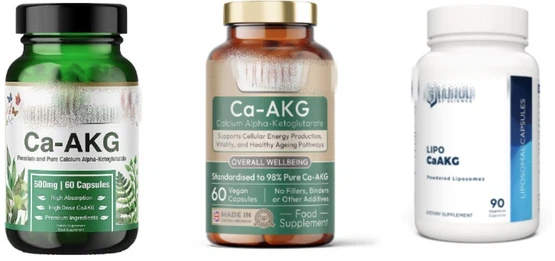
Ca-AKG in the functional food
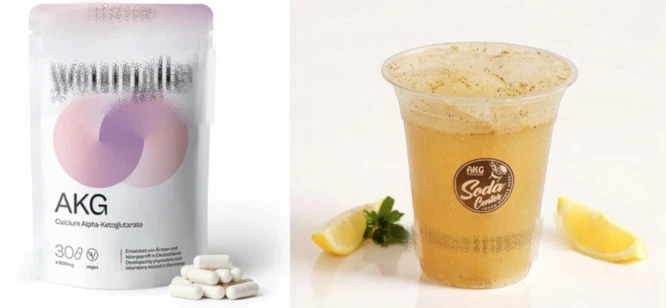
The application of Ca-AKG in the functional food field is gradually expanding. Its main advantages lie in its high stability, good safety profile, and ease of addition to various food bases. Ca-AKG is not easily hygroscopic or deliquescent, making it more suitable as a functional ingredient in functional foods such as solid beverages, protein bars, meal replacement powders, energy biscuits, or functional jellies. In sports recovery functional foods, Ca-AKG is suitable for addition to sports drinks or recovery shakes. In bone health functional foods, Ca-AKG provides both organic calcium and AKG, offering better bioavailability than traditional calcium carbonate and avoiding discomfort such as bloating, making it suitable for addition to plant-based milk, nutritional oatmeal, or fortified nut butter.
What are Ca-AKG side effects?
Based on existing clinical research data and safety assessments, Ca-AKG (calcium α-ketoglutarate) generally has a good safety and tolerability at recommended doses. Healthy middle-aged and elderly subjects took 2 grams of Ca-AKG tablets daily for 12 weeks. The study protocol excluded individuals with underlying conditions such as severe cardiovascular disease, diabetes, or severe kidney disease.
The materials safety data sheet classifies Ca-AKG as moderate to severe skin and eye irritant; direct contact should be avoided during handling. Overall, Ca-AKG is generally well-tolerated in healthy adults at doses of 1-2 grams daily, but caution should be exercised in individuals with pre-existing gastrointestinal conditions. Additional supplementation is not recommended for pregnant women, breastfeeding women, or those with severe hepatic or renal impairment.

Where to buy the best calcium alpha ketoglutarate powder?
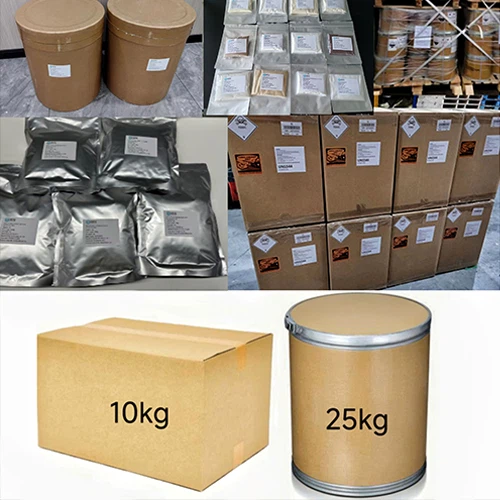
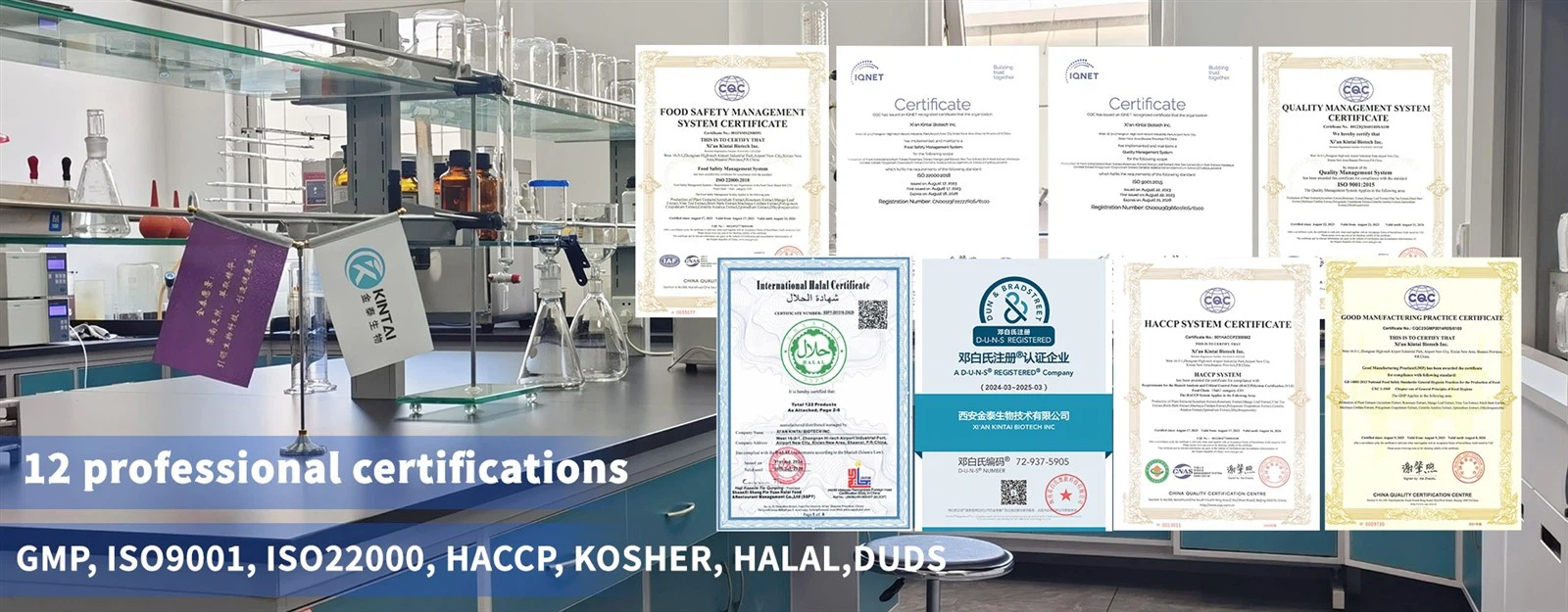
Choose our Ca-AKG (calcium α-ketoglutarate) powder. Our product is manufactured using an advanced enzymatic conversion process. Compared to chemical synthesis, this green biomanufacturing route effectively avoids organic solvent residues and potentially genotoxic impurities, ensuring a finished product purity of over 99%. Furthermore, through rigorous recrystallization purification steps, our Ca-AKG is a stable monohydrate crystalline form with good flowability and is not prone to hygroscopic clumping, significantly improving the convenience of storage and formulation applications. Each batch of product undergoes third-party laboratory testing, providing complete analysis reports on heavy metals, microorganisms, and solvent residues. Mesh size and packaging specifications can be adjusted according to customer needs. Contact us at info@kintaibio.com.
Hot Tags: calcium alpha-ketoglutarate powder(ca-akg), China calcium alpha-ketoglutarate powder(ca-akg) manufacturers, suppliers, factory, Cordyceps Mycelium Extract, Alpha GPC Powder, marigold lutein, Wheat Germ Extract Powder, Dandelion Root Extract Powder, Dihydromyricetin Powder


